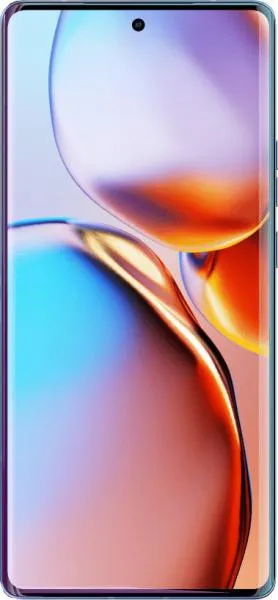
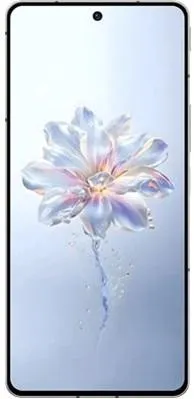
1. Specifications Comparison
| Feature | Motorola Edge 40 Pro | ZTE nubia Z50S Pro | Practical Impact |
|---|---|---|---|
| Design | |||
| Dimensions (mm) | 161.2 x 74 x 8.6 | 163.9 x 76.3 x 8.3 | Z50S Pro slightly larger, may feel less comfortable in hand. |
| Weight (g) | 199 | 228 | Edge 40 Pro noticeably lighter, reducing hand fatigue. |
| Build | Missing information limits comparison. | ||
| Display | |||
| Size (inches) | 6.67 | 6.8 | Z50S Pro offers a slightly larger screen for more immersive content. |
| Resolution (px) | 1080 x 2400 | 1260 x 2800 | Z50S Pro has a sharper display with higher pixel density (452 vs 394 ppi), resulting in crisper text and images. |
| Type | OLED | AMOLED | Both offer excellent contrast and vibrant colors, but specific panel quality (color accuracy, brightness) is unknown without further information. |
| Refresh Rate (Hz) | 165 | 120 | Edge 40 Pro's higher refresh rate provides smoother animations and scrolling. |
| Peak Brightness (nits) | 1300 | 1200 | Edge 40 Pro may offer slightly better visibility in direct sunlight. |
| Performance | |||
| Chipset | Snapdragon 8 Gen 2 | Snapdragon 8+ Gen 2 | Z50S Pro's slightly improved chipset provides a minor performance boost in demanding tasks and gaming. |
| CPU | Octa-core (up to 3.2 GHz) | Octa-core (up to 3.36 GHz) | Marginal difference in CPU clock speed; real-world performance difference likely negligible for average users. |
| GPU | Adreno 740 | Adreno 740 (719 MHz) | Z50S Pro's GPU has a slightly higher clock speed, potentially leading to minor gaming improvements. |
| RAM (GB) | 12 | 12 | Both offer ample RAM for multitasking. |
| Storage (GB) | 256/512 | 256/1000/1000 (China/Global) | Z50S Pro offers a 1TB storage option, ideal for users needing vast local storage. |
| Camera | |||
| Main Camera (MP) | 50 | 54 | Z50S Pro uses a larger sensor (Sony IMX800), potentially capturing more light and detail, especially in low light. |
| Ultrawide (MP) | 50 | 50 | Similar resolution, but lens quality and sensor details are crucial for image quality comparison. |
| Telephoto (MP) | 12 | 8 | Edge 40 Pro offers a higher resolution telephoto lens, potentially resulting in better zoom capabilities. However, optical zoom specifications are missing for a complete comparison. |
| Battery | |||
| Capacity (mAh) | 4600 | 5100 | Z50S Pro has a larger battery, likely providing longer battery life. |
| Charging Speed | Not specified | Not specified | Missing information prevents comparison. |
2. Key Differences Analysis
Motorola Edge 40 Pro Advantages:
- Lighter and more compact: Easier to handle and carry.
- Higher refresh rate display: Smoother user experience.
- Higher resolution telephoto: Potentially better zoom quality.
- Potentially brighter display: Improved outdoor visibility.
ZTE nubia Z50S Pro Advantages:
- More powerful processor: Slight performance advantage in demanding tasks.
- Larger battery: Longer battery life.
- Sharper display: Crisper text and images due to higher pixel density.
- Larger storage options: Up to 1TB for extensive local storage.
- Larger main camera sensor: Potential for improved image quality, especially in low light.
3. User Profiles & Recommendations
Motorola Edge 40 Pro: Users prioritizing a lightweight, compact phone with a smooth display and good camera capabilities. Suitable for everyday use, gaming, and content consumption.
ZTE nubia Z50S Pro: Users needing maximum performance, long battery life, a large, sharp display, and ample storage. Ideal for power users, gamers, and content creators who require local storage. The potentially superior main camera makes it a good choice for photography enthusiasts.
4. Decision Framework
Key Questions:
- What is your budget? The Edge 40 Pro is positioned in a higher price range.
- How important is battery life? The Z50S Pro offers a larger battery.
- Do you prioritize performance or portability? The Z50S Pro offers slightly better performance, while the Edge 40 Pro is lighter and more compact.
My Choice: ZTE nubia Z50S Pro
While the Motorola Edge 40 Pro offers a smoother display and a lighter build, the ZTE nubia Z50S Pro's combination of a larger battery, potentially superior main camera (larger sensor), sharper display, more powerful processor, and larger storage options at a more competitive price point makes it a more compelling overall package for me. I value battery life, performance, and a great camera, and the Z50S Pro seems to deliver better in these areas. The slightly larger size and weight are acceptable trade-offs for these benefits. Furthermore, the availability of a 1TB storage option future-proofs the device for my needs.
