1. Specifications Comparison
| Feature | Motorola Edge 40 Pro | ZTE Blade V60 Design | Practical Impact |
|---|---|---|---|
| Design | |||
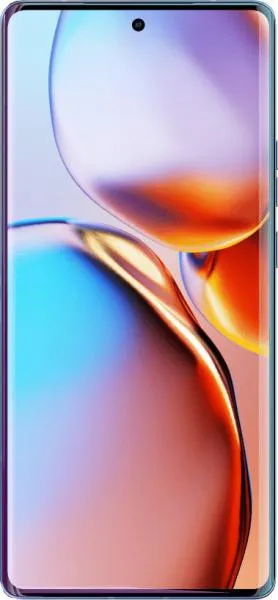
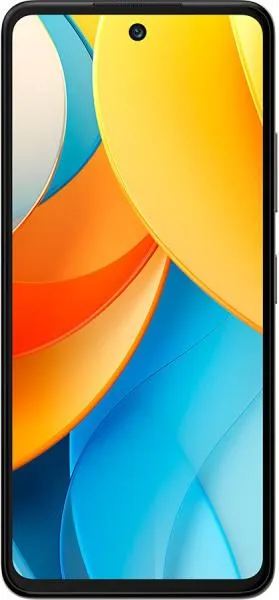
| Dimensions (mm) | 161.2 x 74 x 8.6 | 164.2 x 75.3 x 8.6 | The Motorola is slightly smaller and potentially more comfortable for one-handed use. |
| Weight (g) | 199 | 198 | Negligible weight difference. |
| Build Material | Not specified | Not specified | Cannot compare build quality and durability. |
| Display | |||
| Display Type | 6.67" OLED, 1B colors, 165Hz | 6.6" IPS LCD, 90Hz | The Motorola offers significantly better display quality with vibrant colors, deeper blacks, and smoother scrolling due to the higher refresh rate and OLED technology. |
| Resolution | 1080 x 2400 | 720 x 1612 | Sharper and more detailed visuals on the Motorola. The ZTE's lower resolution will be noticeable. |
| PPI | 394 | 267 | The Motorola has a much sharper display. Text and images will appear crisper. |
| HDR | HDR10+, Dolby Vision | None | The Motorola supports HDR content resulting in a wider dynamic range and more realistic visuals in supported content. |
| Performance | |||
| Chipset | Snapdragon 8 Gen 2 (4nm) | Unisoc T606 (12nm) | The Motorola will provide significantly faster performance, smoother multitasking, and better gaming capabilities due to a vastly superior processor. |
| CPU | Octa-core (1x3.2 GHz Cortex-X3 & 2x2.8 GHz Cortex-A715 & 2x2.8 GHz Cortex-A710 & 3x2.0 GHz Cortex-A510) | Octa-core (2x1.6 GHz Cortex-A75 & 6x1.6 GHz Cortex-A55) | The Motorola's CPU has much higher clock speeds and more powerful cores, leading to a noticeable difference in speed and responsiveness. |
| GPU | Adreno 740 | Mali-G57 MP1 | The Motorola will handle demanding games and graphics-intensive tasks much better. |
| RAM | 12GB | 6GB | The Motorola allows for more apps to run in the background and smoother multitasking. |
| Camera | |||
| Main Camera | 50MP Omnivision OV50A | 50MP ISOCELL | While both have the same megapixel count, sensor quality information is incomplete for the ZTE. The Motorola also benefits from a superior image processor (ISP) integrated into the Snapdragon chipset. |
| Other Cameras | 50MP Ultrawide, 12MP Telephoto | 2MP Portrait, 0.3MP unspecified | The Motorola offers more versatile camera options with an ultrawide and telephoto lens, enabling wider shots and optical zoom. The purpose of the 0.3MP camera on the ZTE is unclear. |
| Video Recording | Up to 8K@30fps | Up to 1080p@30fps | The Motorola can record much higher resolution videos. |
| Battery | |||
| Capacity | 4600 mAh | 5000 mAh | The ZTE has a slightly larger battery capacity, but real-world battery life depends on many factors, including software optimization and display efficiency. The Motorola's more efficient processor may offset the smaller battery. |
2. Key Differences Analysis
Motorola Edge 40 Pro Advantages:
- Significantly superior performance: The Snapdragon 8 Gen 2 provides a massive performance advantage for demanding tasks, gaming, and overall responsiveness.
- Much better display: The OLED display with a 165Hz refresh rate offers vibrant colors, smoother scrolling, and higher resolution.
- More versatile camera system: The inclusion of ultrawide and telephoto lenses provides greater creative flexibility.
- Faster charging: While charging speeds aren't specified, the Motorola likely has faster charging due to its higher-end chipset.
ZTE Blade V60 Design Advantages:
- Larger battery capacity: Offers potentially longer battery life, although real-world usage will vary.
- Lower price: Significantly more affordable.
3. User Profiles & Recommendations
Motorola Edge 40 Pro: Ideal for users who prioritize performance, a high-quality display, excellent camera capabilities, and a premium experience. Suitable for demanding tasks, gaming, content creation, and media consumption.
ZTE Blade V60 Design: Best suited for budget-conscious users who primarily use their phones for basic tasks like calling, texting, browsing, and social media. Less suitable for demanding applications or high-quality media consumption.
4. Decision Framework
Key Questions for Buyers:
- What is your budget? The Motorola is a high-priced phone, while the ZTE is a budget option.
- What are your primary phone usage patterns? For basic tasks, the ZTE may suffice. For demanding tasks and multimedia consumption, the Motorola is a better choice.
- How important are display quality and performance? The Motorola significantly outperforms the ZTE in these areas.
My Choice: Motorola Edge 40 Pro
While the ZTE Blade V60 Design offers a larger battery and a significantly lower price, the Motorola Edge 40 Pro's vastly superior performance, display, and camera capabilities make it the clear winner for me. I prioritize a smooth and responsive user experience, a high-quality display for media consumption, and a capable camera for capturing photos and videos. The price difference is justified by the significant jump in quality and features. The Snapdragon 8 Gen 2 alone makes a huge difference in day-to-day usability and future-proofing the device. While battery life is important, I'd rather have a slightly shorter battery life with a much better overall experience. The ZTE would be a good option for a very budget-conscious user who only needs basic functionality.
