1. Specifications Comparison
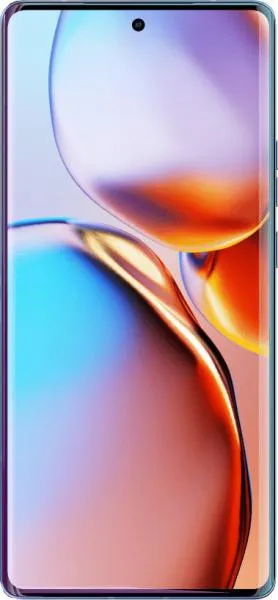
| Feature | Motorola Edge 40 Pro | Xiaomi Redmi Note 13 Pro+ | Practical Impact |
|---|---|---|---|
| Design | |||
| Dimensions (mm) | 161.2 x 74 x 8.6 | 161.4 x 74.2 x 8.9 | Virtually identical in size and hand feel. |
| Weight (g) | 199 | 199 | Same weight, no discernible difference in handling. |
| Display | |||
| Display Type | OLED | AMOLED | Both offer excellent contrast and vibrant colors, but OLED generally has slightly better black levels. |
| Display Size (inches) | 6.67 | 6.67 | Identical screen sizes. |
| Resolution (px) | 1080 x 2400 | 1220 x 2712 | The Redmi Note 13 Pro+ has a sharper display due to the higher resolution, leading to clearer text and images. |
| Refresh Rate (Hz) | 165 | 120 | The Motorola Edge 40 Pro offers a smoother scrolling and gaming experience due to its higher refresh rate. |
| Peak Brightness (nits) | 1300 | 1800 | The Redmi Note 13 Pro+ offers significantly better visibility in direct sunlight. |
| Color Depth | 1B | 68B | Redmi Note 13 Pro+ supports a wider color gamut, resulting in more nuanced and accurate color reproduction. |
| Performance | |||
| Chipset | Snapdragon 8 Gen 2 | Dimensity 7200 Ultra | The Snapdragon 8 Gen 2 is a flagship chip offering significantly better performance in demanding tasks and gaming compared to the Dimensity 7200 Ultra, a high-midrange chip. |
| CPU | Octa-core (1x3.2 GHz X3 & 2x2.8 GHz A715 & 2x2.8 GHz A710 & 3x2.0 GHz A510) | Octa-core (2x2.8 GHz A715 & 6x2.0 GHz A510) | The Motorola's CPU configuration, especially the Cortex-X3 core, provides a significant performance advantage in demanding applications and multitasking. |
| GPU | Adreno 740 | Mali-G610 MC4 | Adreno 740 offers superior graphics performance for gaming and other visually intensive tasks. |
| RAM (GB) | 12 | 8/12/16 (Variant Dependent) | More RAM in some Redmi variants allows for better multitasking. However, the base 8GB variant might experience limitations compared to the Motorola's 12GB. |
| Camera | |||
| Main Camera (MP) | 50 | 200 | The Redmi Note 13 Pro+ boasts a higher megapixel count, potentially capturing more detail in well-lit conditions. However, megapixels alone don't determine image quality. |
| Ultrawide (MP) | 50 | 8 | Motorola offers a significantly better ultrawide camera experience with higher resolution. |
| Telephoto (MP) | 12 | None (Only Depth Sensor) | Motorola offers optical zoom capabilities, missing in the Redmi. |
| Video Recording | Up to 8K@30fps | Up to 4K@30fps | Motorola supports higher resolution video recording. |
| Battery | |||
| Capacity (mAh) | 4600 | 5000 | The Redmi Note 13 Pro+ offers longer battery life due to the larger battery capacity. |
2. Key Differences Analysis
Motorola Edge 40 Pro Advantages:
- Significantly more powerful: The Snapdragon 8 Gen 2 provides a noticeable performance advantage for demanding tasks, gaming, and future-proofing.
- Smoother display: The 165Hz refresh rate provides a more fluid user experience.
- Superior camera system: Better ultrawide and dedicated telephoto lens with optical zoom, along with 8K video recording.
- Faster USB standard: USB 3.2 enables quicker data transfer speeds.
Xiaomi Redmi Note 13 Pro+ Advantages:
- Sharper display: Higher resolution provides more detail.
- Brighter display: Better visibility in direct sunlight.
- Longer battery life: Larger battery capacity allows for extended usage.
- Lower price: Offers a compelling price-to-performance ratio in its segment.
Trade-offs:
- Performance vs. Battery Life: Motorola prioritizes performance with a slight compromise on battery life, while Redmi prioritizes battery life with a less powerful processor.
- Price vs. Features: Redmi offers a lower price but compromises on certain features like the telephoto lens and processing power.
3. User Profiles & Recommendations
Motorola Edge 40 Pro: Ideal for users who prioritize performance, a smooth display, a versatile camera system, and are willing to pay a premium. Use cases include demanding mobile gaming, professional photography/videography, and multitasking.
Xiaomi Redmi Note 13 Pro+: Ideal for users who prioritize battery life, a sharp and bright display, and seek excellent value for their money. Use cases include everyday social media, web browsing, casual photography, and long hours of usage without charging.
4. Decision Framework
Key Questions for Buyers:
- What is your budget? The Motorola is a high-priced flagship, while the Redmi is a mid-range device.
- What are your primary use cases? Gaming and demanding tasks benefit from the Motorola's power, while everyday use favors the Redmi's battery life.
- Which features are most important to you? Prioritize performance and camera versatility with the Motorola, or battery life, display sharpness, and affordability with the Redmi.
My Choice: Motorola Edge 40 Pro
While the Redmi Note 13 Pro+ offers incredible value, I would choose the Motorola Edge 40 Pro. The significantly superior performance of the Snapdragon 8 Gen 2, combined with the smoother 165Hz display and more versatile camera system, outweighs the Redmi's advantages in battery life and display sharpness for my personal needs. I value a fluid and responsive user experience, especially for gaming and multitasking, and I'm willing to pay a premium for that. The inclusion of a proper telephoto lens also enhances the photographic capabilities significantly. The Redmi's lower price is tempting, but the performance difference would be noticeable in my daily usage.
