1. Specifications Comparison
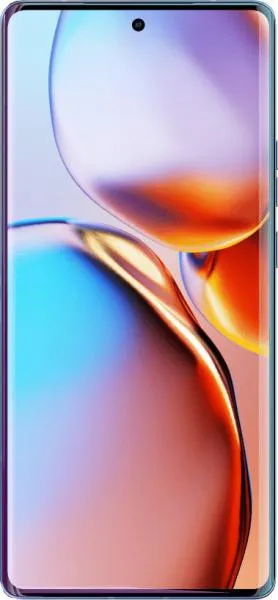
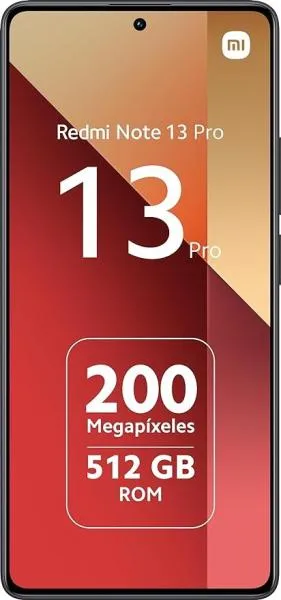
| Feature | Motorola Edge 40 Pro | Xiaomi Redmi Note 13 Pro 4G | Practical Impact |
|---|---|---|---|
| Design | |||
| Dimensions (mm) | 161.2 x 74 x 8.6 | 161.1 x 75 x 8 | Virtually identical in size |
| Weight (g) | 199 | 188 | Redmi is slightly lighter, but the difference is negligible in hand. |
| Build Materials | Not specified | Not specified | Cannot compare build quality and durability. |
| Display | |||
| Display Type | OLED | AMOLED | Both offer excellent contrast and deep blacks. |
| Display Size (inches) | 6.67 | 6.67 | Same screen size |
| Resolution | 1080 x 2400 | 1080 x 2400 | Identical resolution and sharpness |
| Refresh Rate (Hz) | 165 | 120 | Smoother animations and scrolling on the Edge 40 Pro, especially noticeable in gaming. |
| Peak Brightness (nits) | 1300 | 1300 | Equally bright displays, easily viewable in sunlight |
| HDR Support | HDR10+, Dolby Vision | Not specified for HDR10+ or Dolby Vision | Edge 40 Pro offers superior HDR experience with wider color gamut and dynamic range in compatible content. |
| Performance | |||
| Chipset | Snapdragon 8 Gen 2 | MediaTek Helio G99 Ultra | Significant performance difference. Snapdragon 8 Gen 2 offers flagship-level processing power for demanding tasks and gaming, while the Helio G99 is a mid-range chip focused on efficiency. |
| CPU | Octa-core (1x3.2 GHz Cortex-X3 & 2x2.8 GHz Cortex-A715 & 2x2.8 GHz Cortex-A710 & 3x2.0 GHz Cortex-A510) | Octa-core (2x2.2 GHz Cortex-A76 & 6x2.0 GHz Cortex-A55) | Edge 40 Pro has a much more powerful CPU architecture, leading to significantly faster app loading, multitasking, and overall responsiveness. |
| GPU | Adreno 740 | Mali-G57 MC2 | The Adreno 740 provides significantly better graphics performance for gaming and other visually intensive tasks. |
| RAM | 12GB | 8GB/12GB | More RAM in the Edge 40 Pro allows for better multitasking and smoother performance with multiple apps open. |
| Camera | |||
| Main Camera | 50MP, f/1.8, OIS | 200MP, f/1.65, OIS | While the Redmi has a higher megapixel count, the Edge 40 Pro uses a larger sensor (1/1.55") compared to Redmi's 1/1.4" sensor. Sensor size often correlates with better low-light performance and dynamic range. Practical image quality differences would require real-world comparisons. |
| Video Recording | Up to 8K@30fps | Up to 1080p@60fps | Edge 40 Pro offers significantly higher resolution video recording capabilities. |
| Battery | |||
| Capacity (mAh) | 4600 | 5000 | Redmi has a larger battery capacity, potentially offering longer battery life. |
| Charging Speed | Not specified | Not specified | Cannot compare charging speeds. |
2. Key Differences Analysis
Motorola Edge 40 Pro Advantages:
- Significantly more powerful: The Snapdragon 8 Gen 2 offers a substantial performance advantage over the Helio G99, resulting in a smoother and more responsive user experience.
- Higher refresh rate display: The 165Hz display provides smoother scrolling and animations.
- Superior HDR support: Dolby Vision and HDR10+ enhance video playback quality.
- Higher resolution video recording: Capable of recording up to 8K resolution.
- Potentially Better Low-Light Camera Performance: Larger main camera sensor size on the Edge 40 Pro suggests better low-light capability.
Xiaomi Redmi Note 13 Pro 4G Advantages:
- Larger battery capacity: Potentially longer battery life.
- Lower price: Significantly more affordable.
- Higher resolution main camera sensor: 200MP vs 50MP. Real world performance unknown.
Trade-offs:
- The Redmi Note 13 Pro sacrifices performance and premium features for affordability.
- The Edge 40 Pro has a slightly smaller battery capacity but potentially compensates with a more power-efficient chipset.
3. User Profiles & Recommendations
Motorola Edge 40 Pro: Ideal for users who prioritize performance, a smooth display, high-quality video recording, and the latest mobile technologies. Suitable for demanding tasks like gaming, video editing, and multitasking.
Xiaomi Redmi Note 13 Pro 4G: Suitable for budget-conscious users who prioritize battery life and general smartphone functionality over top-tier performance. Best for everyday tasks like browsing, social media, and casual photography.
4. Decision Framework
Key Questions for Buyers:
- What is your budget? The Edge 40 Pro is significantly more expensive.
- What is your primary use case? Gamers and power users will benefit from the Edge 40 Pro's performance, while casual users might find the Redmi Note 13 Pro sufficient.
- How important is battery life? While specifications suggest the Redmi might have longer battery life, real-world usage can vary.
My Choice: Motorola Edge 40 Pro
While the Redmi Note 13 Pro offers an enticing price, the Motorola Edge 40 Pro is the clear winner for me. The superior performance offered by the Snapdragon 8 Gen 2, coupled with the smoother 165Hz display and better HDR support, greatly enhances the overall user experience. The ability to record 8K video is a bonus. Although the Redmi boasts a larger battery and a 200MP main camera, the real-world benefits are uncertain without further testing. The overall package of the Edge 40 Pro, despite the higher price, justifies the cost for a user who values a premium and future-proof smartphone experience. The significant difference in processing power and capabilities would noticeably impact daily use, making the Edge 40 Pro a worthwhile investment in the long run. I am willing to compromise slightly on battery capacity for a significantly better performing device.
