1. Specifications Comparison
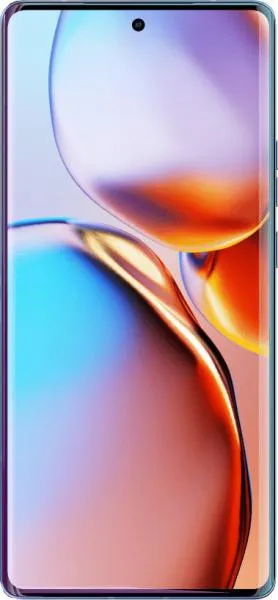
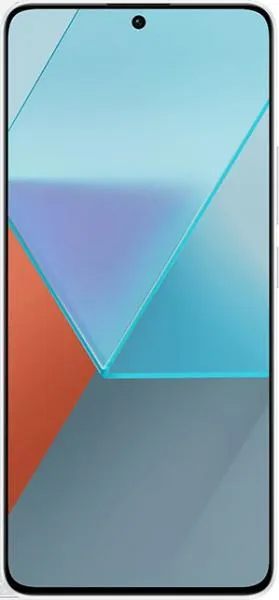
| Feature | Motorola Edge 40 Pro | Xiaomi Redmi Note 13 Pro | Practical Impact |
|---|---|---|---|
| Design | |||
| Dimensions (mm) | 161.2 x 74 x 8.6 | 161.2 x 74.2 x 8 | Virtually identical in size |
| Weight (g) | 199 | 187 | Redmi is slightly lighter, potentially more comfortable for extended use |
| Display | |||
| Display Type | OLED | AMOLED | Both offer excellent contrast and deep blacks. |
| Display Size (inches) | 6.67 | 6.67 | Same size |
| Resolution | 1080 x 2400 | 1220 x 2712 | Redmi has a sharper display with higher pixel density, resulting in crisper text and images. |
| Refresh Rate (Hz) | 165 | 120 | Motorola offers smoother scrolling and animations with a higher refresh rate, especially noticeable in gaming and fast-paced content. |
| Peak Brightness (nits) | 1300 | 1800 | Redmi has significantly higher peak brightness, improving outdoor visibility. |
| Color Depth | 1B | 68B | Redmi boasts a wider color gamut, potentially displaying richer and more accurate colors. |
| Performance | |||
| Chipset | Snapdragon 8 Gen 2 | Snapdragon 7s Gen 2 | Motorola has a significantly more powerful processor, leading to much faster performance in demanding tasks and gaming. |
| CPU | Octa-core (1x3.2 GHz Cortex-X3 & 2x2.8 GHz Cortex-A715 & 2x2.8 GHz Cortex-A710 & 3x2.0 GHz Cortex-A510) | Octa-core (4x2.4 GHz Cortex-A78 & 4x1.95 GHz Cortex-A55) | Motorola's CPU architecture and higher clock speeds provide a substantial performance advantage. |
| GPU | Adreno 740 | Adreno 710 | Motorola's GPU is more powerful, delivering better gaming performance and smoother graphics rendering. |
| RAM (GB) | 12 | 8/12 | Both offer ample RAM, though Motorola's configuration provides more headroom for multitasking. |
| Camera | |||
| Main Camera (MP) | 50 | 200 | Redmi boasts higher resolution, potentially capturing more detail. However, sensor size and processing play a crucial role in overall image quality. |
| Ultrawide (MP) | 50 | 8 | Motorola offers a much higher resolution ultrawide camera. |
| Telephoto (MP) | 12 | N/A | Motorola has a dedicated telephoto lens for optical zoom, which Redmi lacks. |
| Video Recording | Up to 8K@30fps | Up to 4K@30fps | Motorola supports higher resolution video recording. |
| Battery | |||
| Capacity (mAh) | 4600 | 5100 | Redmi offers a larger battery capacity, potentially resulting in longer battery life. |
2. Key Differences Analysis
Motorola Edge 40 Pro Advantages:
- Significantly faster performance: The Snapdragon 8 Gen 2 provides a major advantage in processing power for demanding tasks and gaming.
- Higher refresh rate display: Smoother scrolling and more responsive gaming experience.
- Dedicated telephoto lens: Enables optical zoom for better image quality.
- Higher resolution ultrawide camera: Captures more detail in wide-angle shots.
- Higher resolution video recording: Allows for 8K video capture.
Xiaomi Redmi Note 13 Pro Advantages:
- Sharper display: Higher resolution leads to crisper visuals.
- Higher peak brightness: Enhanced outdoor visibility.
- Larger battery capacity: Potentially longer battery life.
- Lower price: Offers a more budget-friendly option.
3. User Profiles & Recommendations
Motorola Edge 40 Pro: Ideal for power users, gamers, and those who prioritize performance, a smooth display, and versatile camera capabilities.
Xiaomi Redmi Note 13 Pro: Suitable for budget-conscious users who value a sharp display, long battery life, and good overall camera quality for everyday use. Less demanding for gaming.
4. Decision Framework
Key Questions for Buyers:
- What is your budget? The Motorola is significantly more expensive.
- What are your primary use cases? (Gaming, photography, general use)
- Do you prioritize performance or battery life?
Scenario-Based Recommendations:
- Heavy gamer: Motorola Edge 40 Pro
- Photographer who values zoom: Motorola Edge 40 Pro
- Budget-conscious user with general usage: Xiaomi Redmi Note 13 Pro
- User who needs the longest possible battery life: Xiaomi Redmi Note 13 Pro
My Choice: Motorola Edge 40 Pro
While the Redmi Note 13 Pro offers compelling features for its price, I would choose the Motorola Edge 40 Pro. The superior performance of the Snapdragon 8 Gen 2, coupled with the higher refresh rate display, is crucial for my usage. I value a smooth and responsive user experience, especially for gaming and multitasking. The dedicated telephoto lens and higher resolution ultrawide camera also enhance the photographic capabilities, which are important to me. I'm willing to pay the premium for the significantly improved performance and versatility offered by the Motorola Edge 40 Pro. While battery life might be slightly shorter, I prioritize the overall user experience and capabilities.
