1. Specifications Comparison
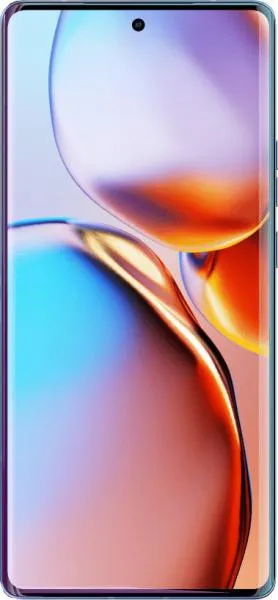
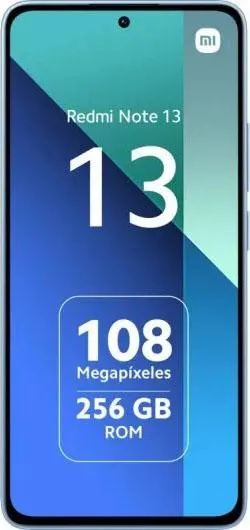
| Feature | Motorola Edge 40 Pro | Xiaomi Redmi Note 13 4G | Practical Impact |
|---|---|---|---|
| Design | |||
| Dimensions (mm) | 161.2 x 74 x 8.6 | 162.3 x 75.6 x 8 | Edge 40 Pro is slightly smaller and thinner. |
| Weight (g) | 199 | 188.5 | Redmi Note 13 is noticeably lighter. |
| Build | Not specified | Not specified | Build quality and materials cannot be compared. |
| Display | |||
| Size (inches) | 6.67 | 6.67 | Same screen size. |
| Resolution (pixels) | 1080 x 2400 | 1080 x 2400 | Same resolution. |
| Panel Type | OLED | AMOLED | Both offer vibrant colors and deep blacks, but OLED generally has slightly better power efficiency. |
| Refresh Rate (Hz) | 165 | 120 | Edge 40 Pro offers a smoother scrolling and gaming experience due to the higher refresh rate. |
| Peak Brightness (nits) | 1300 | 1800 | Redmi Note 13 has significantly higher peak brightness, improving outdoor visibility. |
| Performance | |||
| Chipset | Snapdragon 8 Gen 2 | Snapdragon 685 | Edge 40 Pro boasts a flagship chipset, offering significantly faster performance for demanding tasks and gaming. |
| CPU | Octa-core (1x3.2 GHz Cortex-X3 & 2x2.8 GHz Cortex-A715 & 2x2.8 GHz Cortex-A710 & 3x2.0 GHz Cortex-A510) | Octa-core (4x2.8 GHz Cortex-A73 & 4x1.9 GHz Cortex-A53) | The Edge 40 Pro's CPU is considerably more powerful. |
| GPU | Adreno 740 | Adreno 610 | Edge 40 Pro offers superior graphics performance for gaming and visually intensive applications. |
| RAM (GB) | 12 | 8 | More RAM in the Edge 40 Pro allows for better multitasking and smoother performance. |
| Camera | |||
| Main Camera (MP) | 50 | 108 | Redmi Note 13 boasts higher megapixel count, but image quality depends on sensor size, processing, and other factors. |
| Video Recording | Up to 8K@30fps | Up to 1080p@30fps | Edge 40 Pro offers significantly higher video resolution and frame rate options. |
| DXOMARK Score | 130 | 75 | Edge 40 Pro has a much higher DXOMARK score indicating superior overall camera quality. |
| Battery | |||
| Capacity (mAh) | 4600 | 5000 | Redmi Note 13 has a larger battery capacity potentially offering longer battery life. |
| Charging Speed | Not specified | Not specified | Charging speeds cannot be compared without further information. |
2. Key Differences Analysis
Motorola Edge 40 Pro Advantages:
- Significantly higher performance: Snapdragon 8 Gen 2 provides a flagship-level experience.
- Smoother display: 165Hz refresh rate offers a more fluid user experience.
- Superior camera quality: Based on DXOMARK score and video recording capabilities.
- Faster connectivity: Wi-Fi 7 and Bluetooth 5.3 offer the latest standards.
Xiaomi Redmi Note 13 4G Advantages:
- Larger battery: Potentially longer battery life.
- Higher peak brightness: Better outdoor visibility.
- Lower price: Significantly more affordable.
3. User Profiles & Recommendations
Motorola Edge 40 Pro: Users who prioritize performance, a premium display, and excellent camera capabilities, especially for demanding tasks, gaming, and content creation. Price is less of a concern.
Xiaomi Redmi Note 13 4G: Budget-conscious users who prioritize battery life and good display visibility for everyday tasks like web browsing, social media, and casual gaming.
4. Decision Framework
Key Questions for Buyers:
- What is your budget? The price difference is substantial.
- What are your primary use cases? Demanding tasks and gaming vs. everyday use.
- Which features are most important to you? Performance, camera, battery life, or display.
My Choice: Motorola Edge 40 Pro
While the Redmi Note 13 4G offers a compelling value proposition with its large battery and bright display, the Motorola Edge 40 Pro is the clear winner for me. The significantly superior performance offered by the Snapdragon 8 Gen 2, combined with the smoother 165Hz display and much better camera system, outweighs the Redmi's advantages in battery capacity and price. I prioritize a smooth and responsive user experience, especially for gaming and multitasking, and I am willing to pay a premium for that. The Edge 40 Pro's future-proof connectivity (Wi-Fi 7, Bluetooth 5.3) further solidifies its position as a long-term investment. While battery life is important, I find that performance and overall user experience are more crucial in my daily usage.
