1. Specifications Comparison
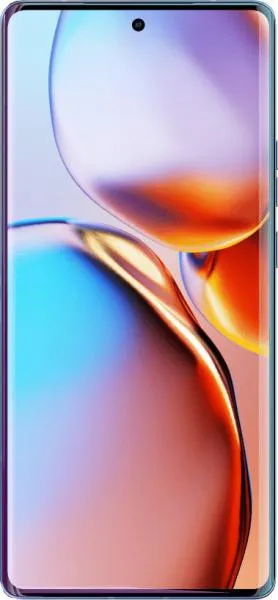
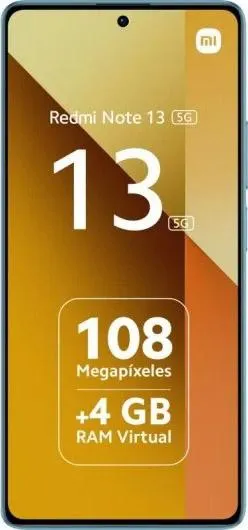
| Feature | Motorola Edge 40 Pro | Xiaomi Redmi Note 13 | Practical Impact |
|---|---|---|---|
| Design | |||
| Dimensions (mm) | 161.2 x 74 x 8.6 | 161.1 x 75 x 7.6 | Redmi Note 13 is slightly thinner and lighter. |
| Weight (g) | 199 | 174.5 | Noticeable difference in hand feel; Redmi will be more comfortable for extended use. |
| Display | |||
| Display Type | OLED, 1B colors, 165Hz | AMOLED, 1B colors, 120Hz | Both offer vibrant colors and deep blacks. Edge 40 Pro's higher refresh rate results in smoother animations and scrolling. |
| Display Size (inches) | 6.67 | 6.67 | Identical screen sizes. |
| Resolution | 1080 x 2400 | 1080 x 2400 | Same resolution, resulting in similar sharpness. |
| Peak Brightness (nits) | 1300 | 1000 | Edge 40 Pro offers better visibility in direct sunlight. |
| Performance | |||
| Chipset | Snapdragon 8 Gen 2 | Dimensity 6080 | Significant performance difference. Edge 40 Pro will handle demanding tasks and gaming much better. |
| CPU | Octa-core (1x3.2 GHz Cortex-X3 & 2x2.8 GHz Cortex-A715 & 2x2.8 GHz Cortex-A710 & 3x2.0 GHz Cortex-A510) | Octa-core (2x2.4 GHz Cortex-A76 & 6x2.0 GHz Cortex-A55) | Edge 40 Pro's superior CPU architecture offers significantly faster processing speeds and better multitasking. |
| GPU | Adreno 740 | Mali-G57 MC2 | Edge 40 Pro provides a much more powerful graphical processing unit, crucial for high-end gaming and graphics-intensive applications. |
| RAM | 12GB | 8GB/12GB | More RAM in the Edge 40 Pro enables smoother multitasking and better performance with demanding apps. |
| Camera | |||
| Main Camera | 50MP, OIS | 108MP | While Redmi has higher resolution, Edge 40 Pro boasts OIS for sharper images and videos, especially in low light. Sensor size and processing also significantly impact image quality, but detailed sensor specs for the Redmi are missing. |
| Video Recording | Up to 8K@30fps | Up to 1080p@30fps | Edge 40 Pro offers significantly higher resolution video recording capabilities. |
| Battery | |||
| Capacity | 4600 mAh | 5000 mAh | Redmi Note 13 has a larger battery, potentially offering longer battery life. However, real-world usage depends on software optimization and chipset efficiency. |
2. Key Differences Analysis
Motorola Edge 40 Pro Advantages:
- Significantly more powerful: Snapdragon 8 Gen 2 provides a substantial performance advantage for demanding tasks and gaming.
- Smoother Display: 165Hz refresh rate delivers a more fluid user experience.
- Brighter Display: Better visibility outdoors.
- Superior Camera Features: Optical Image Stabilization (OIS) and higher quality video recording capabilities.
- Faster Charging: While not explicitly stated, flagship phones like the Edge 40 Pro generally offer faster charging speeds.
Xiaomi Redmi Note 13 Advantages:
- Larger Battery: Potentially longer battery life.
- Lower Price: Significantly more affordable.
- More Color Options: Offers a wider variety of colors to choose from.
3. User Profiles & Recommendations
Motorola Edge 40 Pro: Users who prioritize performance, a premium display, high-quality cameras, and are willing to pay a premium. Ideal for:
- Mobile Gamers: The powerful GPU and high refresh rate display will provide a superior gaming experience.
- Power Users: Demanding tasks, multitasking, and resource-intensive applications will run smoothly.
- Photography Enthusiasts: OIS and high-quality video recording are essential for capturing great photos and videos.
Xiaomi Redmi Note 13: Budget-conscious users who prioritize battery life and basic functionality. Ideal for:
- Casual Users: Everyday tasks like browsing, social media, and light gaming.
- Students: Affordable option with decent performance for basic needs.
- Users seeking long battery life: The larger battery may appeal to users who prioritize long usage without recharging.
4. Decision Framework
Key Questions:
- What is your budget? The Redmi Note 13 is significantly more affordable.
- What are your primary use cases? Gaming and demanding tasks favor the Edge 40 Pro, while basic usage favors the Redmi Note 13.
- How important is camera quality? The Edge 40 Pro offers superior camera features.
Scenario-Based Recommendations:
- Limited Budget: Redmi Note 13
- Priority on Performance: Motorola Edge 40 Pro
- Balance of Price and Performance: Consider other mid-range options not listed here.
My Choice: Motorola Edge 40 Pro
While the Redmi Note 13 offers excellent value for its price, the Motorola Edge 40 Pro's superior performance, display, and camera features are decisive factors for me. I prioritize a smooth and responsive user experience, especially for gaming and multitasking. The brighter display and OIS in the camera are also significant advantages. I am willing to pay the premium for the significantly enhanced overall experience the Edge 40 Pro provides. The Snapdragon 8 Gen 2 is a major differentiator, offering future-proofing and a level of performance that the Redmi Note 13 can't match. While battery life is important, I value the overall speed and responsiveness more.
