1. Specifications Comparison
| Feature | Motorola Edge 40 Pro | Xiaomi Redmi Note 12S | Practical Impact |
|---|---|---|---|
| Design | |||
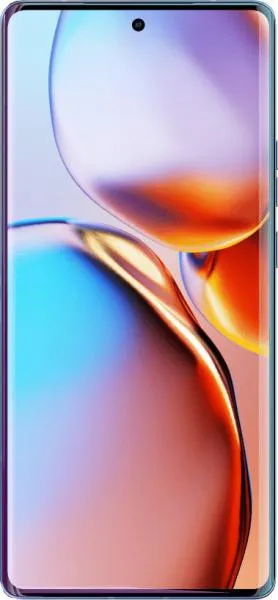
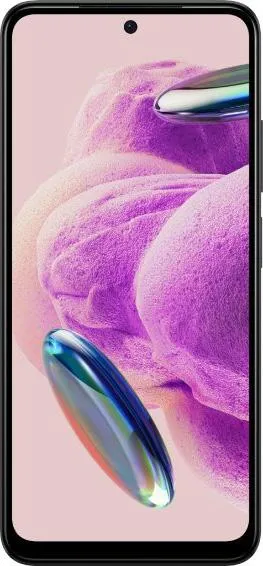
| Dimensions (mm) | 161.2 x 74 x 8.6 | 159.9 x 73.9 x 8.1 | Edge 40 Pro slightly taller and wider, but negligibly thinner. |
| Weight (g) | 199 | 176 | Redmi Note 12S noticeably lighter, more comfortable for extended use. |
| Build | (Information not provided) | (Information not provided) | Build materials impact durability and premium feel; information needed for comparison. |
| Display | |||
| Display Type | 6.67" OLED, 165Hz | 6.43" AMOLED, 90Hz | Edge 40 Pro: Larger, smoother scrolling and animations due to higher refresh rate, potentially better color accuracy with 1B colors. Redmi Note 12S: Smaller, potentially less power-hungry display. |
| Resolution | 1080 x 2400 | 1080 x 2400 | Similar sharpness due to nearly identical pixel density. |
| Peak Brightness | 1300 nits | 1000 nits | Edge 40 Pro offers better visibility in direct sunlight. |
| Performance | |||
| Chipset | Snapdragon 8 Gen 2 (4nm) | Helio G96 (12nm) | Edge 40 Pro significantly more powerful, enabling smoother multitasking, faster app loading, and better gaming performance. Redmi Note 12S: Offers decent performance for everyday tasks but will struggle with demanding applications. |
| CPU | Octa-core (up to 3.2 GHz) | Octa-core (up to 2.05 GHz) | Edge 40 Pro's higher clock speeds contribute to its superior performance. |
| GPU | Adreno 740 | Mali-G57 MC2 | Edge 40 Pro offers significantly better graphics performance for gaming and visually intensive tasks. |
| RAM | 12GB | 6/8GB | Edge 40 Pro's larger RAM enables smoother multitasking and better handling of demanding applications. |
| Camera | |||
| Main Camera | 50MP, f/1.8 | 108MP, f/1.8 | Redmi Note 12S has higher resolution, but image quality depends on sensor size and processing. Edge 40 Pro boasts a superior sensor and likely better low-light performance. More details on sensor size and processing capabilities are needed for accurate comparison. |
| Video Recording | Up to 8K@30fps | Up to 1080p@30fps | Edge 40 Pro offers significantly higher video resolution and frame rates. |
| Battery | |||
| Capacity | 4600 mAh | 5000 mAh | Redmi Note 12S has a larger battery capacity, potentially offering longer battery life. However, Edge 40 Pro's more efficient chipset could offset this difference. |
2. Key Differences Analysis
Motorola Edge 40 Pro Advantages:
- Significantly more powerful: Superior chipset, CPU, and GPU for smoother performance across all tasks.
- Higher quality display: Larger, smoother refresh rate, and higher peak brightness.
- Superior video recording capabilities: Up to 8K resolution.
- Faster charging: (Charging speeds not provided, but Snapdragon 8 Gen 2 generally supports faster charging).
Xiaomi Redmi Note 12S Advantages:
- Larger battery capacity: Potentially longer battery life.
- Lower price: Significantly more affordable.
- Lighter weight: More comfortable for one-handed use.
3. User Profiles & Recommendations
Motorola Edge 40 Pro: Ideal for users who prioritize performance, a high-quality display, and advanced camera features. Suitable for demanding tasks like gaming, video editing, and multitasking.
Xiaomi Redmi Note 12S: Best suited for budget-conscious users who prioritize battery life and basic smartphone functionality. Suitable for everyday tasks like web browsing, social media, and casual photography.
4. Decision Framework
Key Questions for Buyers:
- What is your budget? The Edge 40 Pro is significantly more expensive.
- What is your primary use case? Demanding tasks (Edge 40 Pro) vs. basic functionality (Redmi Note 12S).
- Which features are most important to you? Performance, display, camera (Edge 40 Pro) vs. battery life and affordability (Redmi Note 12S).
My Choice: Motorola Edge 40 Pro
While the Redmi Note 12S offers excellent value for its price, the Motorola Edge 40 Pro is the clear winner for me. Its superior performance, stunning display, and advanced camera capabilities outweigh the benefits of the Redmi Note 12S's longer battery life and lower price. I prioritize a smooth and responsive user experience, especially for demanding tasks and gaming, which the Edge 40 Pro delivers in spades. The slightly heavier weight is a minor trade-off for the significant performance gains. While battery life is important, I'm willing to compromise slightly in that area for a significantly better overall experience.
