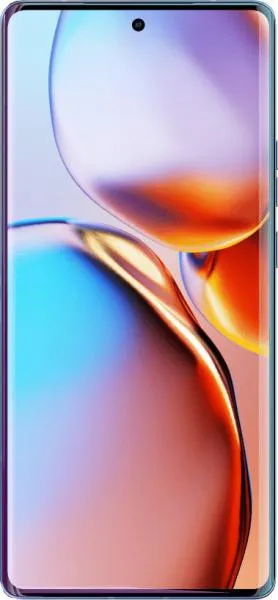
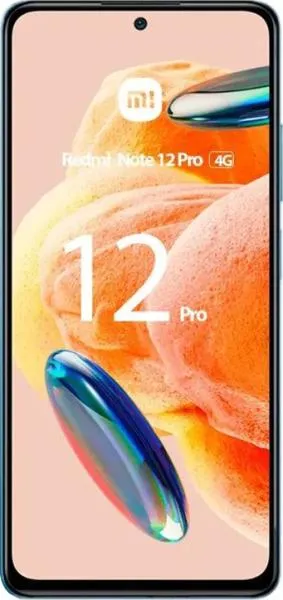
1. Specifications Comparison
| Feature | Motorola Edge 40 Pro | Xiaomi Redmi Note 12 Pro 4G | Practical Impact |
|---|---|---|---|
| Design | |||
| Dimensions (mm) | 161.2 x 74 x 8.6 | 164.2 x 76.1 x 8.1 | Edge 40 Pro is slightly smaller and thinner. |
| Weight (g) | 199 | 201.8 | Negligible weight difference in real-world use. |
| Build | Unspecified | Unspecified | Build quality and materials cannot be compared due to missing information. |
| Display | |||
| Display Type | OLED | AMOLED | Both offer excellent contrast and vibrant colors, but OLED generally consumes less power. |
| Display Size (inches) | 6.67 | 6.67 | Identical screen size. |
| Resolution | 1080 x 2400 | 1080 x 2400 | Same resolution, resulting in similar sharpness. |
| Refresh Rate (Hz) | 165 | 120 | Edge 40 Pro offers a smoother scrolling and gaming experience due to the higher refresh rate. |
| Peak Brightness (nits) | 1300 | 1200 | Edge 40 Pro might be slightly more readable in direct sunlight. |
| Performance | |||
| Chipset | Snapdragon 8 Gen 2 | Snapdragon 732G | Edge 40 Pro boasts significantly higher CPU and GPU performance, enabling smoother multitasking, demanding gaming, and faster app loading. |
| CPU | Octa-core (1x3.2 GHz Cortex-X3 & 2x2.8 GHz Cortex-A715 & 2x2.8 GHz Cortex-A710 & 3x2.0 GHz Cortex-A510) | Octa-core (2x2.2 GHz Kryo 470 Gold & 6x1.8 GHz Kryo 470 Silver) | Edge 40 Pro's superior CPU architecture delivers much faster processing speeds. |
| RAM (GB) | 12 | 8 | More RAM in the Edge 40 Pro allows for more apps to run in the background without performance slowdown. |
| Camera | |||
| Main Camera (MP) | 50 | 108 | Redmi Note 12 Pro has a higher megapixel count, but image quality depends on sensor size and processing. |
| Ultrawide (MP) | 50 | 8 | Edge 40 Pro's ultrawide offers significantly higher resolution. |
| Telephoto (MP) | 12 | None | Edge 40 Pro offers optical zoom, absent in the Redmi Note 12 Pro. |
| Video Recording | Up to 8K@30fps | Up to 4K@30fps | Edge 40 Pro supports higher resolution video recording. |
| Battery | |||
| Capacity (mAh) | 4600 | 5000 | Redmi Note 12 Pro has a larger battery capacity, potentially offering longer battery life. |
| Charging Speed | Unspecified | Unspecified | Charging speeds cannot be compared due to missing information. |
2. Key Differences Analysis
Motorola Edge 40 Pro Advantages:
- Significantly more powerful: Snapdragon 8 Gen 2 offers a substantial performance advantage for demanding tasks and gaming.
- Higher refresh rate display: Smoother and more responsive visual experience.
- More versatile camera system: Includes a telephoto lens for optical zoom and a higher resolution ultrawide sensor.
- Potentially better low-light performance: Flagship processors generally have superior image processing for low light scenarios.
Xiaomi Redmi Note 12 Pro 4G Advantages:
- Larger battery capacity: Potentially longer battery life.
- Lower price: Offers good value for its features.
3. User Profiles & Recommendations
Motorola Edge 40 Pro: Ideal for users who prioritize performance, a smooth display, and a versatile camera system. Suitable for demanding tasks, gaming, and content creation.
Xiaomi Redmi Note 12 Pro 4G: Best suited for budget-conscious users who prioritize battery life and general smartphone functionality. Suitable for everyday tasks, social media, and light gaming.
4. Decision Framework
Key Questions for Buyers:
- What is your budget? The Edge 40 Pro is significantly more expensive.
- What are your performance needs? For demanding tasks and gaming, the Edge 40 Pro is essential.
- How important is camera quality and versatility? The Edge 40 Pro provides a superior camera experience.
My Choice: Motorola Edge 40 Pro
While the Redmi Note 12 Pro 4G offers good value, the Motorola Edge 40 Pro is the clear winner for me. The significant performance difference due to the Snapdragon 8 Gen 2, the higher refresh rate display, and the more versatile camera system are crucial factors. I prioritize a smooth and responsive user experience, capabilities for demanding tasks, and high-quality photography, making the Edge 40 Pro the better choice despite the higher price. The larger battery of the Redmi is tempting, but the performance difference is too substantial to ignore. I am willing to pay a premium for the superior overall experience offered by the Edge 40 Pro.
