1. Specifications Comparison
| Feature | Motorola Edge 40 Pro | Xiaomi Redmi 14C | Practical Impact |
|---|---|---|---|
| Design | |||
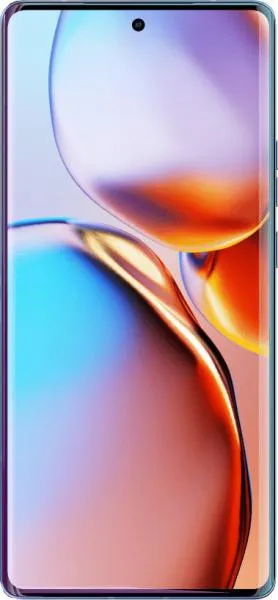
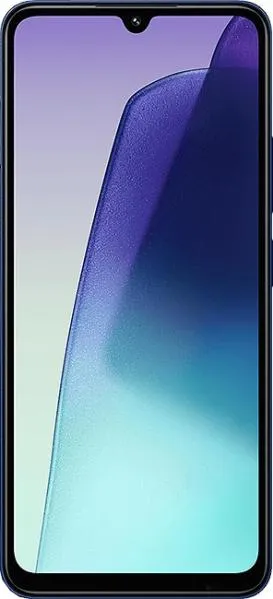
| Dimensions (mm) | 161.2 x 74 x 8.6 | 171.9 x 77.8 x 8.2 | The Redmi 14C is noticeably larger and slightly thicker. The Edge 40 Pro will feel more compact and premium in hand. |
| Weight (g) | 199 | 211 | The Edge 40 Pro is lighter, making it more comfortable for extended use and one-handed operation. |
| Build Material | Unspecified | Unspecified | Build quality and durability cannot be comprehensively compared without knowing the materials used. |
| Display | |||
| Display Type | 6.67" OLED, 1B colors, 165Hz | 6.88" IPS LCD, 120Hz | The Edge 40 Pro boasts a superior display with deeper blacks, more vibrant colors (1B vs. unspecified), smoother animations (165Hz), and likely higher brightness (1300 nits peak vs 600 nits HBM). The Redmi 14C has a larger display but lower resolution and refresh rate, resulting in a less sharp and responsive experience. |
| Resolution | 1080 x 2400 (394 ppi) | 720 x 1640 (260 ppi) | The Edge 40 Pro offers significantly sharper visuals due to its higher resolution and pixel density. Text and images will appear clearer and more detailed. The Redmi 14C's lower resolution may result in pixelation, particularly noticeable when viewing images or videos. |
| Performance | |||
| Chipset | Snapdragon 8 Gen 2 | MediaTek Helio G81 Ultra | The Snapdragon 8 Gen 2 in the Edge 40 Pro is a flagship-level processor significantly more powerful than the mid-range Helio G81 Ultra in the Redmi 14C. This translates to much faster app loading, smoother multitasking, better gaming performance, and superior overall responsiveness. |
| RAM | 12GB | 4GB/6GB/8GB | The Edge 40 Pro offers substantially more RAM enabling seamless multitasking and preventing apps from closing in the background. The Redmi 14C's lower RAM may lead to performance hiccups with heavy usage. |
| OS | Android 13 (upgradable to 16) | Android 14 | While the Redmi 14C launches with a newer Android version, the Edge 40 Pro has a longer confirmed software update lifecycle, ensuring security and feature updates for a longer period. |
| Camera | |||
| Main Camera | 50MP, f/1.8, OIS | 50MP, f/1.8 | Both phones have a 50MP main sensor, but the Edge 40 Pro benefits from Optical Image Stabilization (OIS), resulting in sharper images and videos, especially in low light or when shooting handheld. |
| Additional Cameras | 50MP ultrawide, 12MP telephoto | 0.8MP unspecified, no telephoto | The Edge 40 Pro offers a more versatile camera system with a high-resolution ultrawide and a telephoto lens for optical zoom. The Redmi 14C's secondary 0.8MP camera has limited practical use. |
| Video Recording | Up to 8K@30fps | Up to 1080p@30fps | The Edge 40 Pro allows for much higher resolution video recording (8K vs 1080p). |
| Battery | |||
| Capacity | 4600 mAh | 5160 mAh | The Redmi 14C has a larger battery capacity, potentially offering longer battery life. However, actual usage time depends on various factors including display, processor efficiency, and software optimization. |
| Charging | Unspecified but supports USB Type-C 3.2 | Unspecified but supports USB Type-C 2.0 | While both phones support USB-C charging, the Edge 40 Pro's USB 3.2 allows for potentially faster data transfer speeds. Charging speeds cannot be compared without knowing the supported charging wattage. |
2. Key Differences Analysis
Motorola Edge 40 Pro Advantages:
- Significantly more powerful: Snapdragon 8 Gen 2 delivers flagship performance for demanding tasks and gaming.
- Superior Display: Higher resolution, refresh rate, OLED technology for vibrant colors and deep blacks.
- More versatile camera system: Telephoto lens for optical zoom, OIS for stable shots.
- More Premium and Compact Design: Lighter and sleeker build.
- Longer Software Support: Confirmed updates to Android 16.
Xiaomi Redmi 14C Advantages:
- Larger Battery Capacity: Potentially longer battery life.
- Lower Price: Significantly more affordable.
- Newer Android Version out-of-the-box: Ships with Android 14.
3. User Profiles & Recommendations
Motorola Edge 40 Pro: Ideal for users who prioritize performance, a high-quality display, a versatile camera, and a premium feel. Suitable for power users, gamers, and those who consume a lot of media.
Xiaomi Redmi 14C: Suitable for budget-conscious users who prioritize basic smartphone functionality, a large screen, and long battery life. Best for casual users primarily focused on communication, social media, and light browsing.
4. Decision Framework
Key Questions for Buyers:
- What is your budget? The Redmi 14C is significantly cheaper.
- What are your performance needs? The Edge 40 Pro offers a substantial performance advantage.
- What are your priorities regarding display, camera, and battery life? Each phone excels in different areas.
My Choice: Motorola Edge 40 Pro
While the Redmi 14C offers excellent value for its price, the Motorola Edge 40 Pro is my choice. The superior performance, stunning display, versatile camera system, and longer software support outweigh the Redmi 14C's advantages in battery capacity and price for my personal needs. I value a smooth and responsive user experience, a high-quality display for media consumption, and a capable camera for capturing memories. While the price difference is significant, the Edge 40 Pro offers a flagship experience that justifies the premium in my opinion. The Redmi 14C is a solid budget option, but the compromises in performance and other key areas are too significant for me to overlook.
