1. Specifications Comparison
| Feature | Motorola Edge 40 Pro | Xiaomi Redmi 13C | Practical Impact |
|---|---|---|---|
| Design | |||
| Dimensions (mm) | 161.2 x 74 x 8.6 | 168 x 78 x 8.1 | Redmi 13C is noticeably larger. Edge 40 Pro is slimmer and potentially more pocketable. |
| Weight (g) | 199 | 192 | Negligible weight difference in practical use. |
| Build | Not specified | Not specified | Build quality and materials impact durability and premium feel; information lacking for comparison. |
| Display | |||
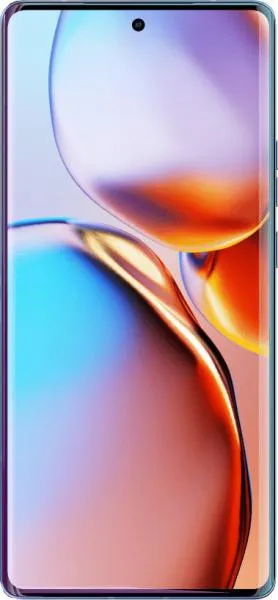
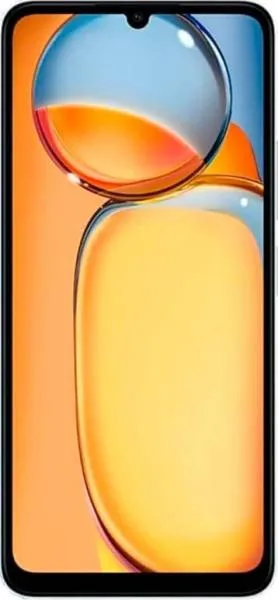
| Display Type | 6.67" OLED, 165Hz | 6.74" IPS LCD, 90Hz | Edge 40 Pro offers superior contrast, deeper blacks, and smoother animations due to OLED technology and higher refresh rate. Redmi 13C has a slightly larger screen but lower resolution and refresh rate. |
| Resolution | 1080 x 2400 | 720 x 1600 | Edge 40 Pro's display is significantly sharper and more detailed. Redmi 13C's display will appear pixelated in comparison. |
| PPI | 394 | 260 | Reinforces the sharpness difference; text and images will be clearer on the Edge 40 Pro. |
| Performance | |||
| Chipset | Snapdragon 8 Gen 2 | Helio G85 | Edge 40 Pro boasts a flagship chipset, ensuring significantly faster performance, smoother multitasking, and better gaming capabilities. Redmi 13C has a budget chipset for basic tasks. |
| CPU | Octa-core (1x3.2 GHz Cortex-X3 & 2x2.8 GHz Cortex-A715 & 2x2.8 GHz Cortex-A710 & 3x2.0 GHz Cortex-A510) | Octa-core (2x2.0 GHz Cortex-A75 & 6x1.8 GHz Cortex-A55) | Edge 40 Pro has a much more powerful CPU architecture, translating to significantly faster processing speeds in all tasks. |
| GPU | Adreno 740 | Mali-G52 MC2 | Edge 40 Pro provides a substantially more powerful GPU, crucial for demanding games and graphics-intensive applications. |
| RAM | 12GB | 4GB/6GB/8GB | Edge 40 Pro offers more RAM, enabling smoother multitasking and preventing app closures in the background. Redmi 13C's RAM options are sufficient for basic usage. |
| Camera | |||
| Main Camera | 50MP Omnivision OV50A | 50MP Samsung S5KJN1 | While both have the same MP count, sensor and image processing quality are crucial. Specific details missing to make a definitive comparison regarding image quality. |
| Video Recording | Up to 8K@30fps | Up to 1080p@30fps | Edge 40 Pro allows for much higher resolution video recording. |
| Battery | |||
| Capacity | 4600 mAh | 5000 mAh | Redmi 13C has a larger battery capacity, potentially offering longer battery life. However, real-world battery life depends on various factors like software optimization and display type. |
2. Key Differences Analysis
Motorola Edge 40 Pro Advantages:
- Significantly higher performance: The Snapdragon 8 Gen 2 provides a massive performance advantage for demanding tasks, gaming, and multitasking.
- Superior Display: OLED with 165Hz refresh rate delivers vivid colors, deeper blacks, and smoother scrolling.
- Higher resolution video recording: Up to 8K recording capabilities.
Xiaomi Redmi 13C Advantages:
- Larger Battery: Potentially longer battery life due to the 5000 mAh capacity.
- Lower Price: Significantly more affordable.
3. User Profiles & Recommendations
Motorola Edge 40 Pro: Ideal for power users, gamers, and those who prioritize a premium display and fast performance. Excellent for demanding tasks, content creation, and immersive media consumption.
Xiaomi Redmi 13C: Suitable for budget-conscious users with basic needs like calling, texting, browsing, and social media. Good for light users who prioritize battery life over performance.
4. Decision Framework
Key Questions for Buyers:
- What is your budget? The Redmi 13C is a budget phone, while the Edge 40 Pro is a premium device.
- What are your primary use cases? For demanding tasks and gaming, the Edge 40 Pro is essential. For basic usage, the Redmi 13C suffices.
- How important is display quality and performance? The Edge 40 Pro offers a significantly better display and performance.
Scenario-Based Recommendations:
- Limited Budget, Basic Usage: Redmi 13C
- Power User, Gamer: Motorola Edge 40 Pro
- Balanced Needs, Value Seeker: Consider mid-range alternatives not included in this comparison.
My Choice: Motorola Edge 40 Pro
While significantly more expensive, the Motorola Edge 40 Pro is the clear winner for me. I value a smooth and responsive user experience, which the Snapdragon 8 Gen 2 and 165Hz OLED display guarantee. The superior performance ensures longevity and the ability to handle future demanding applications. While the Redmi 13C offers a larger battery, I prioritize the overall user experience and future-proofing offered by the Edge 40 Pro. The price difference is substantial, but the performance gap is even larger. If budget is a primary concern, I'd explore other mid-range options before settling for the Redmi 13C's significantly lower performance.
