1. Specifications Comparison
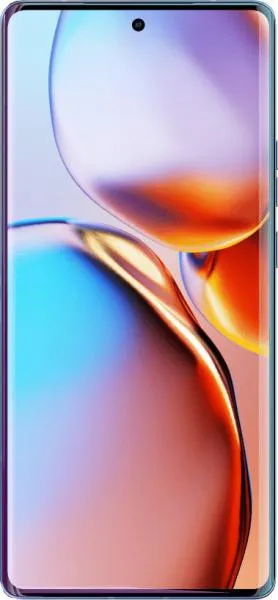
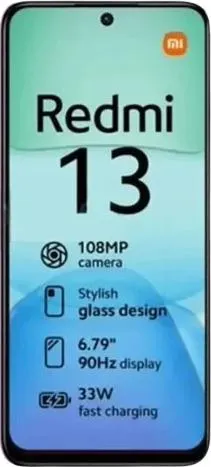
| Feature | Motorola Edge 40 Pro | Xiaomi Redmi 13 | Practical Impact |
|---|---|---|---|
| Design | |||
| Dimensions (mm) | 161.2 x 74 x 8.6 | 168.6 x 76.3 x 8.3 | Redmi 13 is noticeably larger and slightly heavier. Edge 40 Pro is more pocketable. |
| Weight (g) | 199 | 205 | Redmi 13 is slightly heavier, but the difference is negligible in daily use. |
| Build | Not specified | Not specified | Build quality and materials can significantly impact durability and feel, but this information is missing. |
| Display | |||
| Display Type | 6.67" OLED, 1B colors, 165Hz | 6.79" IPS LCD, 90Hz | Edge 40 Pro offers significantly better contrast, deeper blacks, and smoother scrolling with its OLED display and higher refresh rate. Redmi 13's LCD will appear less vibrant and potentially exhibit motion blur. |
| Resolution | 1080 x 2400 | 1080 x 2460 | Virtually identical resolution; sharpness will be similar on both devices. |
| PPI | 394 | 396 | Negligible difference in pixel density. |
| Performance | |||
| Chipset | Snapdragon 8 Gen 2 | MediaTek Helio G91 Ultra | Edge 40 Pro boasts a flagship chipset, ensuring significantly faster performance in demanding tasks, gaming, and multitasking. Redmi 13's mid-range chip will handle everyday tasks, but struggle with heavy workloads. |
| CPU | Octa-core (1x3.2 GHz Cortex-X3 & 2x2.8 GHz Cortex-A715 & 2x2.8 GHz Cortex-A710 & 3x2.0 GHz Cortex-A510) | Octa-core (2x2.0 GHz Cortex-A75 & 6x1.8 GHz Cortex-A55) | Edge 40 Pro's CPU architecture is considerably more powerful and efficient. |
| RAM | 12GB | 8GB | Edge 40 Pro offers more RAM for smoother multitasking and app switching. |
| Camera | |||
| Main Camera | 50MP OmniVision OV50A | 108MP Unspecified Sensor | While the Redmi 13 has a higher megapixel count, the sensor quality is unknown. The Edge 40 Pro uses a known high-quality sensor, potentially delivering better image quality overall. |
| Video Recording | Up to 8K@30fps | Up to 1080p@30fps | Edge 40 Pro offers vastly superior video recording capabilities with much higher resolution and frame rates. |
| Battery | |||
| Capacity | 4600 mAh | 5030 mAh | Redmi 13 has a larger battery capacity, potentially offering longer battery life. However, real-world usage depends on software optimization and power consumption of components. |
2. Key Differences Analysis
Motorola Edge 40 Pro Advantages:
- Significantly more powerful: Snapdragon 8 Gen 2 offers a substantial performance advantage for demanding tasks and gaming.
- Superior Display: OLED technology with a 165Hz refresh rate provides vibrant colors, deep blacks, and smoother scrolling.
- Higher-end Camera System: Potentially better image quality due to a known high-quality main sensor and superior video recording capabilities.
Xiaomi Redmi 13 Advantages:
- Larger Battery: Potentially longer battery life due to higher capacity.
- Lower Price: Significantly more affordable.
3. User Profiles & Recommendations
Motorola Edge 40 Pro: Ideal for users who prioritize performance, a premium display, and high-quality camera capabilities. Suitable for demanding tasks, mobile gaming, and content creation.
Xiaomi Redmi 13: Best suited for budget-conscious users who prioritize battery life and primarily use their phone for basic tasks like communication, web browsing, and social media. Not recommended for demanding applications or mobile gaming.
4. Decision Framework
Key Questions for Buyers:
- What is your budget? The Redmi 13 is significantly more affordable.
- What are your primary phone usage patterns? For demanding tasks and gaming, the Edge 40 Pro is essential. For basic use, the Redmi 13 might suffice.
- How important is display quality and smoothness? The Edge 40 Pro's OLED display with a 165Hz refresh rate offers a significantly better visual experience.
My Choice: Motorola Edge 40 Pro
While the Xiaomi Redmi 13 offers a tempting price, the Motorola Edge 40 Pro is the superior device overall. The Snapdragon 8 Gen 2, combined with the 12GB RAM and stunning OLED display, ensures a fluid and responsive user experience that the Redmi 13 simply cannot match. The superior camera system and faster charging capabilities further solidify the Edge 40 Pro's position as the better choice. Although the Redmi 13 boasts a larger battery, the real-world difference in battery life might not be significant considering the Edge 40 Pro's more efficient processor. For me, the performance, display, and camera advantages of the Edge 40 Pro outweigh the price difference and potential slight advantage in battery life offered by the Redmi 13. I prioritize a smooth, responsive experience and high-quality media consumption, which the Edge 40 Pro delivers in spades.
