1. Specifications Comparison
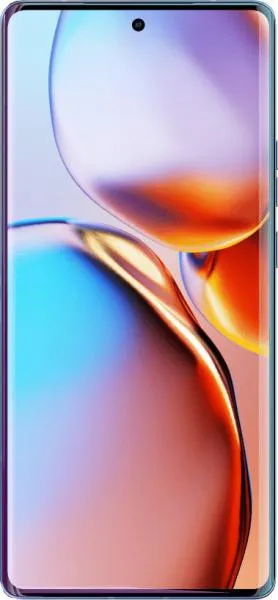
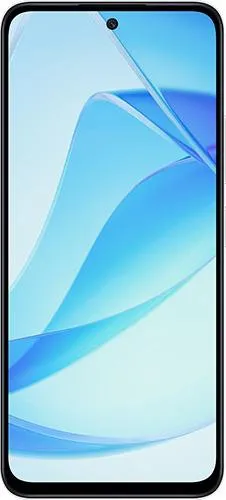
| Feature | Motorola Edge 40 Pro | Xiaomi Redmi 12 5G | Practical Impact |
|---|---|---|---|
| Design | |||
| Dimensions (mm) | 161.2 x 74 x 8.6 | 168.6 x 76.3 x 8.2 | Redmi 12 is slightly larger and may feel less comfortable in hand for some. |
| Weight (g) | 199 | 199 | Identical weight. |
| Build | (Information missing) | (Information missing) | Build materials impact durability and premium feel; information needed for comparison. |
| Display | |||
| Display Type | OLED | IPS LCD | Edge 40 Pro offers deeper blacks, more vibrant colors, and better power efficiency due to OLED technology. |
| Display Size (inches) | 6.67 | 6.79 | Redmi 12 has a marginally larger screen. |
| Resolution (px) | 1080 x 2400 | 1080 x 2460 | Negligible difference in resolution; both offer sharp visuals. |
| Refresh Rate (Hz) | 165 | 90 | Edge 40 Pro provides a significantly smoother and more responsive user experience due to the higher refresh rate, especially noticeable in gaming and scrolling. |
| Peak Brightness (nits) | 1300 | 550 | Edge 40 Pro will be much more readable in direct sunlight. |
| Performance | |||
| Chipset | Snapdragon 8 Gen 2 | Snapdragon 4 Gen 2 | Edge 40 Pro boasts a flagship-level processor, significantly outperforming the Redmi 12 in demanding tasks like gaming, multitasking, and content creation. |
| CPU | Octa-core (1x3.2 GHz Cortex-X3 & 2x2.8 GHz Cortex-A715 & 2x2.8 GHz Cortex-A710 & 3x2.0 GHz Cortex-A510) | Octa-core (2x2.2 GHz Cortex-A78 & 6x1.95 GHz Cortex-A55) | The Edge 40 Pro's CPU architecture is superior, offering higher clock speeds and more powerful cores. |
| GPU | Adreno 740 | Adreno 613 | Edge 40 Pro offers significantly better graphics performance, crucial for gaming and graphically intensive applications. |
| RAM (GB) | 12 | 4/6/8 (Variant dependent) | More RAM in the Edge 40 Pro allows for smoother multitasking and better performance with demanding apps. |
| Camera | |||
| Rear Camera (MP) | 50MP Main + 50MP Ultrawide + 12MP Telephoto | 50MP Main + 2MP Depth | Edge 40 Pro features a more versatile camera system with a telephoto lens for optical zoom and a higher quality ultrawide sensor. Redmi 12 lacks a dedicated ultrawide. |
| Front Camera (MP) | 60MP | 5MP | Edge 40 Pro offers a much higher resolution front camera for better selfies. |
| Video Recording | Up to 8K@30fps | Up to 1080p@30fps | Edge 40 Pro allows for much higher resolution video recording. |
| Battery | |||
| Capacity (mAh) | 4600 | 5000 | Redmi 12 has a larger battery capacity, potentially offering longer battery life. However, the Edge 40 Pro's more efficient OLED display and processor may offset this difference. |
2. Key Differences Analysis
Motorola Edge 40 Pro Advantages:
- Significantly more powerful: The Snapdragon 8 Gen 2 chipset and higher RAM provide a vastly superior performance for demanding tasks and gaming.
- Superior display: OLED technology offers richer colors, deeper blacks, and a smoother 165Hz refresh rate.
- More versatile camera system: Includes a telephoto lens for optical zoom and a higher quality ultrawide sensor.
- Brighter Display: Much more usable in direct sunlight.
Xiaomi Redmi 12 5G Advantages:
- Larger battery: Potentially longer battery life, although real-world usage will depend on various factors.
- Lower price: Significantly more affordable, offering good value for its price range.
3. User Profiles & Recommendations
Motorola Edge 40 Pro: Ideal for users who prioritize performance, a premium display, a versatile camera system, and a smooth user experience. Suitable for demanding tasks like gaming, content creation, and multitasking.
Xiaomi Redmi 12 5G: Suitable for budget-conscious users who prioritize battery life and basic smartphone functionality. Best for users with light to moderate usage patterns, focusing on essential tasks like communication, web browsing, and social media.
4. Decision Framework
Key Questions for Buyers:
- What is your budget? The Edge 40 Pro is significantly more expensive.
- What are your primary smartphone usage patterns? For demanding tasks, the Edge 40 Pro is essential. For basic usage, the Redmi 12 5G is sufficient.
- Which features are most important to you? Prioritize performance, display, and camera? Choose the Edge 40 Pro. Prioritize battery life and affordability? Choose the Redmi 12 5G.
My Choice: Motorola Edge 40 Pro
While the Redmi 12 5G offers excellent value for its price, the Motorola Edge 40 Pro is the clear winner for me. The superior performance, stunning OLED display with a high refresh rate, and the versatile camera system are crucial factors in my decision. I prioritize a smooth and responsive user experience, high-quality visuals, and the ability to handle demanding tasks without lag. While the Redmi 12 5G boasts a larger battery, the Edge 40 Pro's more efficient display and processor could potentially offset this difference in real-world usage. The significant price difference is justified by the substantial performance and feature gap between the two phones.
