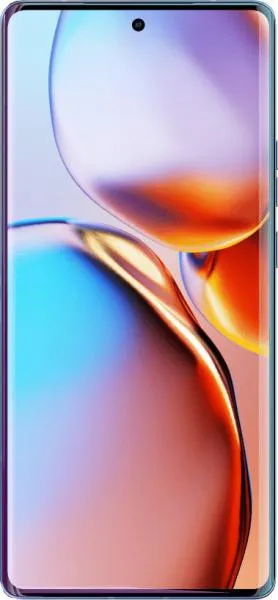
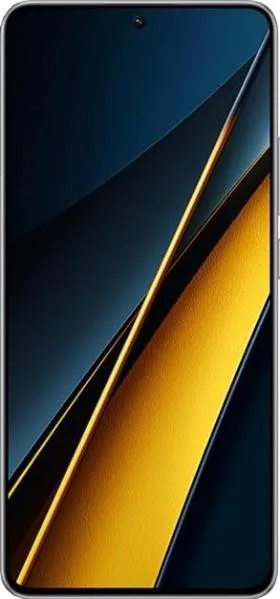
1. Specifications Comparison
| Feature | Motorola Edge 40 Pro | Xiaomi Poco X6 Pro | Practical Impact |
|---|---|---|---|
| Design | |||
| Dimensions (mm) | 161.2 x 74 x 8.6 | 160.5 x 74.3 x 8.3 | Poco X6 Pro is slightly smaller and thinner. Negligible difference in hand feel. |
| Weight (g) | 199 | 186 | Poco X6 Pro is noticeably lighter, reducing hand fatigue during extended use. |
| Build | Build materials not specified for either phone, limiting comparison. | ||
| Display | |||
| Display Type | OLED | AMOLED | Both offer excellent contrast and deep blacks. Practical differences minimal for average users. |
| Size (inches) | 6.67 | 6.67 | Same screen size. |
| Resolution | 1080 x 2400 | 1220 x 2712 | Poco X6 Pro has a sharper display with higher pixel density, resulting in crisper text and images. |
| Refresh Rate (Hz) | 165 | 120 | Edge 40 Pro offers smoother scrolling and animations, especially noticeable in gaming and fast-paced content. |
| Peak Brightness (nits) | 1300 | 1800 | Poco X6 Pro can get significantly brighter, improving outdoor visibility. |
| Performance | |||
| Chipset | Snapdragon 8 Gen 2 | Dimensity 8300 Ultra | Both are high-performance chipsets, but Snapdragon 8 Gen 2 generally benchmarks higher in raw performance. Real-world difference might be minimal for most tasks. |
| CPU | Octa-core (up to 3.2 GHz) | Octa-core (up to 3.35 GHz) | Poco has slightly faster clock speed on primary core but different core architecture makes direct comparison difficult without benchmarks. |
| GPU | Adreno 740 | Mali G615-MC6 | Adreno 740 generally delivers better gaming performance compared to Mali G615-MC6. |
| RAM (GB) | 12 | 8/12 | Edge 40 Pro offers more RAM in the compared variant, enabling better multitasking and app switching. |
| Camera | |||
| Main Camera (MP) | 50 | 64 | Higher megapixel count on Poco X6 Pro doesn't guarantee better image quality. Sensor size, aperture and processing play a crucial role. |
| Ultrawide (MP) | 50 | 8 | Edge 40 Pro has a significantly higher resolution ultrawide camera. |
| Telephoto (MP) | 12 | None (Macro lens instead) | Edge 40 Pro offers optical zoom, while Poco X6 Pro has a dedicated macro lens. Depends on user preference - zoom versatility vs. close-up shots. |
| Video Recording | Up to 8K@30fps | Up to 4K@30fps | Edge 40 Pro supports higher resolution video recording. |
| Battery | |||
| Capacity (mAh) | 4600 | 5000 | Poco X6 Pro has a larger battery, potentially offering longer battery life. |
| Charging Speed | Not specified | Not specified | Cannot compare charging speeds without specific data. |
2. Key Differences Analysis
Motorola Edge 40 Pro Advantages:
- Higher overall performance: Snapdragon 8 Gen 2 and Adreno 740 offer a performance edge, especially in demanding tasks and gaming.
- Smoother display: 165Hz refresh rate provides a more fluid user experience.
- More versatile camera system: Higher resolution ultrawide and the presence of a telephoto lens offer greater flexibility.
- Higher resolution video recording: Supports up to 8K video.
- More RAM in the compared version: Better for multitasking.
Xiaomi Poco X6 Pro Advantages:
- Sharper display: Higher resolution and pixel density for crisper visuals.
- Brighter display: Better visibility in direct sunlight.
- Larger battery: Potential for longer battery life.
- Lower price: Significantly more affordable.
3. User Profiles & Recommendations
Motorola Edge 40 Pro: Ideal for users who prioritize performance, a smooth display, a versatile camera system, and are willing to pay a premium. Suitable for power users, mobile gamers, and photography enthusiasts.
Xiaomi Poco X6 Pro: Ideal for budget-conscious users who want a sharp, bright display, long battery life, and good overall performance. Suitable for everyday users, social media enthusiasts, and light gamers.
4. Decision Framework
Key Questions for Buyers:
- What is your budget? The Poco X6 Pro offers excellent value for its price, while the Edge 40 Pro is a premium device.
- What are your primary use cases? Gaming and demanding tasks benefit from the Edge 40 Pro's performance, while the Poco X6 Pro excels in everyday use and media consumption.
- Which features are most important to you? Prioritize camera versatility, display smoothness, or battery life based on your needs.
My Choice: Xiaomi Poco X6 Pro
While the Motorola Edge 40 Pro boasts superior performance and camera capabilities, the Xiaomi Poco X6 Pro offers incredible value for its significantly lower price. The sharper, brighter display, larger battery, and good enough performance for everyday tasks make it a compelling choice for the average user. The price difference is substantial enough to outweigh the performance benefits of the Edge 40 Pro for my personal needs. I prioritize value and the Poco X6 Pro delivers in that aspect. I am willing to compromise slightly on peak performance and camera versatility for a much more affordable device that still offers a great overall user experience.
