1. Specifications Comparison
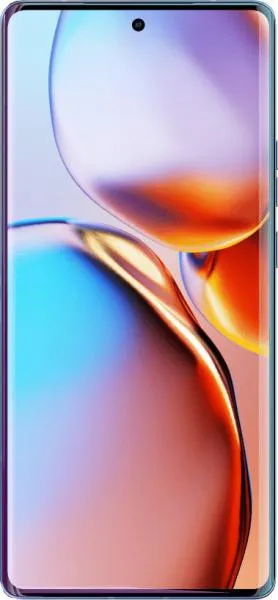
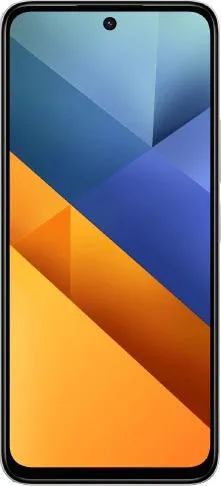
| Feature | Motorola Edge 40 Pro | Xiaomi Poco M6 4G | Practical Impact |
|---|---|---|---|
| Design | |||
| Dimensions (mm) | 161.2 x 74 x 8.6 | 168.6 x 76.3 x 8.3 | The Poco M6 is larger and slightly thicker. |
| Weight (g) | 199 | 205 | Negligible weight difference in practical use. |
| Build | (Information missing) | (Information missing) | Material differences can impact durability and premium feel. |
| Display | |||
| Display Type | 6.67" OLED, 165Hz | 6.79" IPS LCD, 90Hz | The Edge 40 Pro offers smoother animations, deeper blacks, and potentially brighter highlights with its OLED display and higher refresh rate. The Poco M6's LCD may offer better visibility in direct sunlight. |
| Resolution | 1080 x 2400 | 1080 x 2460 | Virtually identical sharpness. |
| PPI | 394 | 396 | Negligible difference in pixel density. |
| Performance | |||
| Chipset | Snapdragon 8 Gen 2 | MediaTek Helio G91 | The Edge 40 Pro's Snapdragon 8 Gen 2 provides significantly faster processing, smoother multitasking, and better gaming performance. |
| CPU | Octa-core (1x3.2 GHz Cortex-X3 & 2x2.8 GHz Cortex-A715 & 2x2.8 GHz Cortex-A710 & 3x2.0 GHz Cortex-A510) | Octa-core (2x2.0 GHz Cortex-A75 & 6x1.8 GHz Cortex-A55) | The Edge 40 Pro's CPU architecture offers superior performance across all tasks. |
| GPU | Adreno 740 | Mali-G52 MC2 | The Adreno 740 is a significantly more powerful GPU, enabling high-end gaming and demanding graphical tasks. |
| RAM | 12GB | 8GB | More RAM on the Edge 40 Pro allows for more apps to run in the background without impacting performance. |
| Camera | |||
| Main Camera | 50MP, f/1.8 | 108MP, f/1.75 | The Poco M6 boasts a higher resolution sensor. However, image quality depends on various factors beyond resolution. The Edge 40 Pro has a dedicated telephoto lens for optical zoom. |
| Ultrawide | 50MP | None | The Edge 40 Pro offers ultrawide photography for broader perspectives. |
| Telephoto | 12MP | None | The Edge 40 Pro offers optical zoom for better image quality when zoomed in. The Poco M6 lacks a telephoto lens. |
| Video | 8K@30fps, 4K@60fps | 1080p@30fps | The Edge 40 Pro offers significantly higher video resolution and frame rates for more detailed and smoother footage. |
| Battery | |||
| Capacity | 4600mAh | 5030mAh | The Poco M6 has a larger battery capacity, potentially offering longer battery life. However, real-world battery life depends on various factors like usage patterns and display technology. |
2. Key Differences Analysis
Motorola Edge 40 Pro Advantages:
- Significantly higher performance: The Snapdragon 8 Gen 2 and Adreno 740 offer a substantial performance advantage for demanding tasks and gaming.
- Superior display: The 165Hz OLED provides smoother visuals and more vibrant colors.
- More versatile camera system: Includes ultrawide and telephoto lenses.
- Faster charging: (Charging speeds not specified, but likely faster given the flagship positioning)
Xiaomi Poco M6 4G Advantages:
- Larger battery: Potentially longer battery life.
- Lower price: Significantly more affordable.
3. User Profiles & Recommendations
Motorola Edge 40 Pro: Users who prioritize performance, a premium display, versatile camera system, and a smooth user experience. Ideal for power users, gamers, and content creators.
Xiaomi Poco M6 4G: Budget-conscious users who prioritize battery life and basic smartphone functionality. Suitable for casual users primarily focused on communication, social media, and light content consumption.
4. Decision Framework
Key Questions for Buyers:
- What is your budget? The price difference is significant.
- What are your performance needs? Do you require top-tier processing power for gaming or demanding applications?
- How important is camera quality and versatility? Do you need optical zoom and ultrawide capabilities?
Scenario-Based Recommendations:
- Gamer: Motorola Edge 40 Pro for its powerful GPU and smooth display.
- Photographer: Motorola Edge 40 Pro for its versatile camera system.
- Budget-conscious user: Xiaomi Poco M6 4G for its affordability and potentially longer battery life.
My Choice: Motorola Edge 40 Pro
While the Poco M6 offers excellent value for its price, the Motorola Edge 40 Pro is the superior device overall. The Snapdragon 8 Gen 2 provides a massive performance leap, making the phone significantly faster and more future-proof. The OLED display with a 165Hz refresh rate offers a much smoother and more visually appealing experience. The versatile camera system with ultrawide and telephoto lenses is a significant advantage for capturing various scenes. While the Poco M6 might have a slightly larger battery, the Edge 40 Pro's overall superior efficiency likely offsets this in real-world usage. For me, the performance, display, and camera improvements justify the higher price. The Poco M6 is a great budget option, but the Edge 40 Pro offers a truly flagship experience.
