1. Specifications Comparison
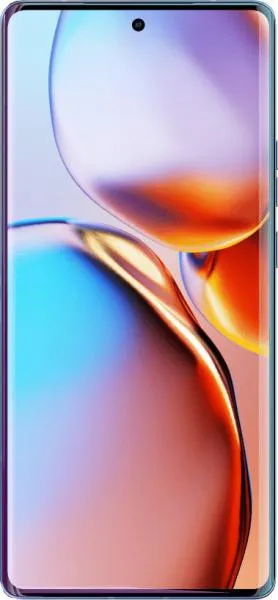
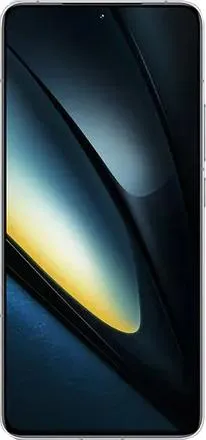
| Feature | Motorola Edge 40 Pro | Xiaomi Poco F6 Pro | Practical Impact |
|---|---|---|---|
| Design | |||
| Dimensions (mm) | 161.2 x 74 x 8.6 | 160.9 x 75 x 8.2 | Poco F6 Pro is slightly shorter and thinner. Negligible difference in daily use. |
| Weight (g) | 199 | 209 | Poco F6 Pro is slightly heavier, but the difference is minimal. |
| Display | |||
| Display Type | OLED | AMOLED | Both offer excellent contrast and deep blacks. |
| Display Size (inches) | 6.67 | 6.67 | Same screen size. |
| Resolution | 1080 x 2400 | 1440 x 3200 | Poco F6 Pro has a significantly sharper display with higher pixel density, resulting in crisper text and images. |
| Refresh Rate (Hz) | 165 | 120 | Motorola offers smoother scrolling and animations, beneficial for gaming and fast-paced content. |
| Peak Brightness (nits) | 1300 | 4000 | Poco F6 Pro offers significantly higher peak brightness, making it more visible in direct sunlight. |
| Color Depth | 1B | 68B | Poco F6 Pro supports a wider color gamut, potentially offering more vibrant and accurate colors. |
| Performance | |||
| Chipset | Snapdragon 8 Gen 2 | Snapdragon 8 Gen 2 | Identical chipsets, indicating similar performance capabilities. |
| CPU | Octa-core (1x3.2 GHz Cortex-X3 & 2x2.8 GHz Cortex-A715 & 2x2.8 GHz Cortex-A710 & 3x2.0 GHz Cortex-A510) | Octa-core (1x3.2 GHz Cortex-X3 & 2x2.8 GHz Cortex-A715 & 2x2.8 GHz Cortex-A710 & 3x2.0 GHz Cortex-A510) | Identical CPU configurations. |
| GPU | Adreno 740 | Adreno 740 | Identical GPUs. |
| RAM (GB) | 12 | 12/16 | Poco F6 Pro offers a 16GB RAM option, potentially improving multitasking performance for heavy users. |
| Camera | |||
| Main Camera (MP) | 50 | 50 | Similar resolution, but sensor models differ (Omnivision OV50A vs. Omnivision OV50E), potentially impacting image quality. Detailed comparison requires further sensor analysis. |
| Ultrawide (MP) | 50 | 8 | Motorola offers much higher resolution ultrawide, likely producing significantly better ultrawide shots. |
| Telephoto (MP) | 12 | None | Motorola has a dedicated telephoto lens for optical zoom, which Poco F6 Pro lacks. |
| Selfie Camera (MP) | 60 | 16 | Motorola has a significantly higher resolution selfie camera. |
| Video Recording | Up to 8K@30fps | Up to 8K@24fps | Both can record in 8K, but Motorola offers a slightly higher frame rate. |
| Battery | |||
| Capacity (mAh) | 4600 | 5000 | Poco F6 Pro has a larger battery, potentially offering longer battery life. |
| USB Version | 3.2 | 2.0 | Motorola supports faster data transfer speeds via USB. |
2. Key Differences Analysis
Motorola Edge 40 Pro Advantages:
- Higher Refresh Rate Display: Smoother user experience.
- Superior Camera System: Dedicated telephoto lens for optical zoom and a higher resolution ultrawide sensor.
- Faster USB Data Transfer: Quicker file transfers.
Xiaomi Poco F6 Pro Advantages:
- Sharper Display: More detailed visuals due to higher resolution.
- Brighter Display: Better visibility outdoors.
- Larger Battery: Potentially longer battery life.
- Lower Price: Offers greater value for performance.
- Higher RAM Option: Better for power users.
3. User Profiles & Recommendations
Motorola Edge 40 Pro: Users who prioritize a smooth display, a versatile camera system with optical zoom, and faster data transfer speeds. Ideal for mobile gaming, photography enthusiasts, and content creators.
Xiaomi Poco F6 Pro: Users who prioritize display sharpness, brightness, and battery life. Excellent for content consumption, social media, and general daily use. Its lower price makes it an attractive option for budget-conscious users seeking flagship-level performance.
4. Decision Framework
Key Questions for Buyers:
- What is your budget? The Poco F6 Pro offers significantly better value for its price.
- How important is camera quality? The Motorola Edge 40 Pro has a more versatile camera system.
- What are your primary use cases? Gaming and content creation benefit from Motorola's higher refresh rate; content consumption benefits from Poco's sharper and brighter display.
My Choice: Xiaomi Poco F6 Pro
While the Motorola Edge 40 Pro offers advantages in refresh rate and camera capabilities, the Xiaomi Poco F6 Pro provides a compelling combination of performance, display quality, and battery life at a significantly lower price. The sharper and brighter display is a major draw for me, as I primarily use my phone for content consumption and general tasks. The larger battery also provides peace of mind for all-day usage. While the camera system isn't as versatile, it's still capable for everyday photography. The price difference makes the Poco F6 Pro a clear winner in terms of value. The availability of a 16GB RAM option further solidifies its position as a performance powerhouse.
