1. Specifications Comparison
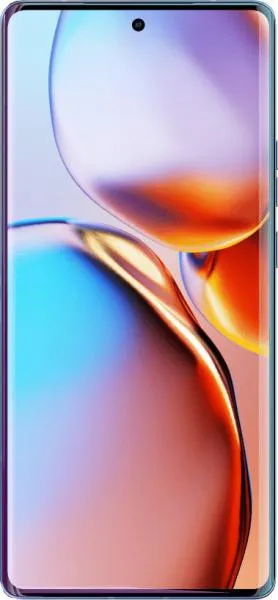
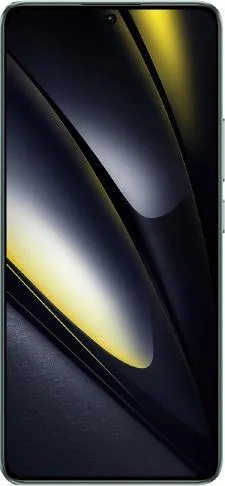
| Feature | Motorola Edge 40 Pro | Xiaomi Poco F6 | Practical Impact |
|---|---|---|---|
| Design | |||
| Dimensions (mm) | 161.2 x 74 x 8.6 | 160.5 x 74.5 x 8 | Virtually identical in size and feel. |
| Weight (g) | 199 | 179 | Poco F6 is noticeably lighter, improving one-handed use. |
| Build | Not specified | Not specified | Build quality and materials unknown, impacting durability and premium feel. |
| Display | |||
| Display Type | OLED | AMOLED | Both offer excellent contrast and deep blacks. Practical differences minimal for average users. |
| Display Size (inches) | 6.67 | 6.67 | Identical size. |
| Resolution | 1080 x 2400 | 1220 x 2712 | Poco F6 has a sharper display, beneficial for media consumption and detail-oriented tasks. |
| Refresh Rate (Hz) | 165 | 120 | Edge 40 Pro offers smoother scrolling and animations, particularly noticeable in gaming. |
| Peak Brightness (nits) | 1300 | 2400 | Poco F6 significantly brighter outdoors. |
| Performance | |||
| Chipset | Snapdragon 8 Gen 2 | Snapdragon 8s Gen 3 | Edge 40 Pro has a more powerful, newer flagship chipset, resulting in faster performance in demanding tasks and games. |
| CPU | Octa-core (1x3.2 GHz Cortex-X3...) | Octa-core (1x3.0 GHz Cortex-X4...) | Edge 40 Pro likely has a slight edge in CPU performance due to higher clock speed on the primary core and newer architecture, but real-world difference might be negligible. |
| GPU | Adreno 740 | Adreno 735 | Edge 40 Pro's GPU offers slightly better gaming performance. |
| RAM (GB) | 12 | 8/12 (depending on version) | 12GB offers better multitasking and future-proofing. 8GB can be sufficient for many users. |
| Camera | |||
| Main Camera (MP) | 50 | 50 | Similar resolution, but sensor and lens specifications differ, impacting image quality. |
| Ultrawide (MP) | 50 | 8 | Edge 40 Pro offers a significantly higher resolution ultrawide camera for better quality wide shots. |
| Telephoto (MP) | 12 | None | Edge 40 Pro offers optical zoom, absent in Poco F6. |
| Selfie Camera (MP) | 60 | 20 | Edge 40 Pro boasts a higher resolution selfie camera. |
| Video Recording | 8K@30fps, 4K@60fps | 4K@60fps | Edge 40 Pro offers 8K recording for higher resolution video. |
| Battery | |||
| Capacity (mAh) | 4600 | 5000 | Poco F6 has a larger battery capacity, potentially leading to longer battery life. |
| Charging Speed | Not specified | Not specified | Charging speed significantly impacts usability, but data is missing. |
2. Key Differences Analysis
Motorola Edge 40 Pro Advantages:
- Superior Performance: Snapdragon 8 Gen 2 offers a noticeable performance advantage for demanding tasks and gaming.
- Better Camera System: Higher resolution ultrawide and dedicated telephoto lens provide greater versatility and quality. 8K video recording is a bonus.
- Smoother Display: 165Hz refresh rate provides a more fluid user experience.
Xiaomi Poco F6 Advantages:
- Sharper Display: Higher resolution for crisper visuals.
- Larger Battery: Potentially longer battery life.
- Lower Price: Significantly more affordable.
- Brighter Display: Better visibility in direct sunlight.
3. User Profiles & Recommendations
Motorola Edge 40 Pro: Users who prioritize performance, a versatile camera system, and a smooth display experience. Ideal for mobile gamers, content creators, and power users.
Xiaomi Poco F6: Price-conscious users who seek a sharp display, long battery life, and good overall performance for everyday tasks. Suitable for social media, web browsing, and casual gaming.
4. Decision Framework
Key Questions for Buyers:
- What is your budget? The Poco F6 offers excellent value for its price, while the Edge 40 Pro commands a premium.
- What are your primary use cases? Gamers and power users will appreciate the Edge 40 Pro's performance. Casual users might find the Poco F6 sufficient.
- Which features are most important to you? Prioritize camera versatility, display smoothness, battery life, or overall performance based on individual needs.
Scenario-Based Recommendations:
- Heavy gamer: Motorola Edge 40 Pro.
- Photographer/Videographer: Motorola Edge 40 Pro.
- Budget-conscious user: Xiaomi Poco F6.
- User who prioritizes battery life: Xiaomi Poco F6 (assuming comparable charging speeds).
My Choice: Motorola Edge 40 Pro
While the Xiaomi Poco F6 offers incredible value, I would choose the Motorola Edge 40 Pro. The superior performance of the Snapdragon 8 Gen 2, coupled with the more versatile camera system (especially the telephoto lens and higher resolution ultrawide) and the smoother 165Hz display, are significant advantages for my usage. I prioritize a fluid, responsive experience and high-quality photos and videos. I am willing to pay the premium for these features. The slightly smaller battery is a trade-off I am willing to accept given the other benefits. However, if budget was a major constraint, the Poco F6 would be a compelling alternative.
