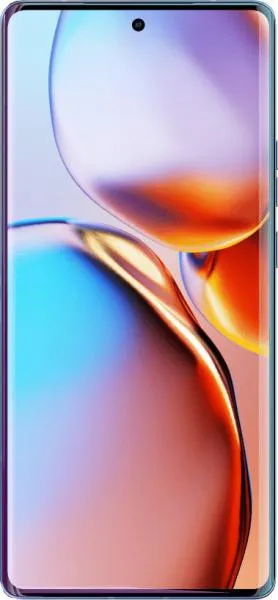
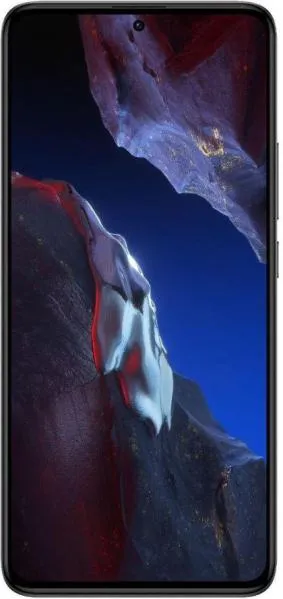
1. Specifications Comparison
| Feature | Motorola Edge 40 Pro | Xiaomi Poco F5 Pro | Practical Impact |
|---|---|---|---|
| Design | |||
| Dimensions (mm) | 161.2 x 74 x 8.6 | 162.8 x 75.4 x 8.6 | Poco F5 Pro slightly larger |
| Weight (g) | 199 | 204 | Negligible weight difference |
| Build | Build materials not specified, limiting comparison | ||
| Display | |||
| Display Type | OLED | AMOLED | Both offer excellent contrast and vibrant colors |
| Size (inches) | 6.67 | 6.67 | Same screen size |
| Resolution | 1080 x 2400 | 1440 x 3200 | Poco F5 Pro significantly sharper due to higher resolution (QHD+ vs FHD+) |
| Refresh Rate (Hz) | 165 | 120 | Edge 40 Pro offers smoother scrolling and animations, beneficial for gaming |
| Peak Brightness (nits) | 1300 | 1400 | Poco F5 Pro slightly brighter in direct sunlight |
| Performance | |||
| Chipset | Snapdragon 8 Gen 2 | Snapdragon 8+ Gen 1 | Edge 40 Pro has a newer, generally more powerful chip, though both are high-end |
| CPU | Octa-core (1x3.2 GHz Cortex-X3 & 2x2.8 GHz Cortex-A715 & 2x2.8 GHz Cortex-A710 & 3x2.0 GHz Cortex-A510) | Octa-core (1x3.0 GHz Cortex-X2 & 3x2.5 GHz Cortex-A710 & 4x1.80 GHz Cortex-A510) | Edge 40 Pro likely has a slight performance edge due to newer CPU architecture |
| GPU | Adreno 740 | Adreno 730 | Edge 40 Pro likely offers slightly better graphics performance |
| RAM (GB) | 12 | 8/12 | RAM parity at 12GB configuration, though Poco F5 Pro offers an 8GB option |
| Camera | |||
| Main Camera (MP) | 50 | 64 | Poco F5 Pro boasts higher resolution, potentially capturing more detail |
| Ultrawide (MP) | 50 | 8 | Edge 40 Pro has a much higher resolution ultrawide, offering significantly better image quality |
| Telephoto (MP) | 12 | None | Edge 40 Pro offers optical zoom, absent in Poco F5 Pro |
| Macro (MP) | Not specified | 2 | Poco F5 Pro has a dedicated macro lens |
| Video | Up to 8K@30fps | Up to 8K@24fps | Similar video capabilities, though Edge 40 Pro offers slightly higher frame rates at 8K |
| Battery | |||
| Capacity (mAh) | 4600 | 5160 | Poco F5 Pro has a larger battery, potentially offering longer battery life |
| Charging Speed | Not specified | Not specified | Charging speed comparison not possible due to missing information |
2. Key Differences Analysis
Motorola Edge 40 Pro Advantages:
- Newer, more powerful chipset: Resulting in smoother performance for demanding tasks and potentially better power efficiency.
- Higher refresh rate display: Smoother scrolling and more responsive gaming experience.
- Higher resolution ultrawide camera: Significantly better ultrawide photos and videos.
- Dedicated telephoto lens: Optical zoom capability for better image quality at longer distances.
Xiaomi Poco F5 Pro Advantages:
- Higher resolution display: Sharper images and text, more immersive media consumption.
- Larger battery capacity: Potentially longer battery life between charges.
- Lower price: Offers competitive specifications at a more affordable price point.
- Higher resolution main camera: Potentially capturing more detail in well-lit conditions.
Trade-offs:
- Edge 40 Pro: Higher price for newer technology and premium features. Smaller battery capacity.
- Poco F5 Pro: Older chipset, lower refresh rate display. Lower resolution ultrawide camera, no telephoto lens.
3. User Profiles & Recommendations
Motorola Edge 40 Pro: Ideal for users who prioritize performance, a smooth display, and versatile camera capabilities, especially zoom and ultrawide quality. Suitable for demanding tasks, mobile gaming, and photography enthusiasts.
Xiaomi Poco F5 Pro: Ideal for users seeking a balance between performance, display quality, and battery life at a more affordable price. Suitable for everyday use, media consumption, and casual gaming.
4. Decision Framework
Key Questions for Buyers:
- What is your budget? The Edge 40 Pro falls in a higher price range.
- What are your primary use cases? (Gaming, photography, media consumption, etc.)
- Which features are most important to you? (Performance, display quality, battery life, camera versatility)
Scenario-Based Recommendations:
- Gamer: Edge 40 Pro due to the higher refresh rate display and more powerful chipset.
- Photographer: Edge 40 Pro due to its versatile camera system with telephoto and high-resolution ultrawide.
- Budget-conscious user: Poco F5 Pro offers excellent value for its price.
- Power user: Edge 40 Pro for its overall performance advantage.
My Choice: Motorola Edge 40 Pro
Reasoning: While the Poco F5 Pro offers compelling value, I prioritize a smooth and responsive user experience, particularly for gaming and everyday tasks. The Edge 40 Pro's 165Hz display, coupled with the more powerful Snapdragon 8 Gen 2, delivers this. The superior ultrawide camera and the inclusion of a telephoto lens for optical zoom are significant advantages for my photography needs. While the smaller battery is a minor drawback, the overall performance and feature set of the Edge 40 Pro make it a more compelling device for my usage. The price difference is justifiable for the noticeable improvements in key areas that I value.
