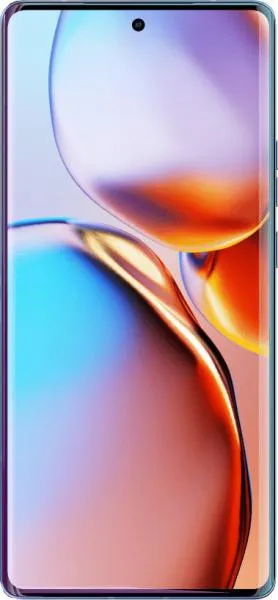
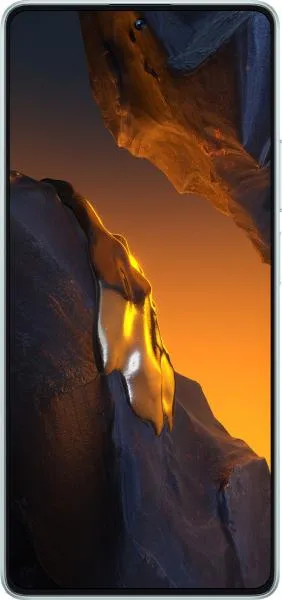
1. Specifications Comparison
| Feature | Motorola Edge 40 Pro | Xiaomi Poco F5 | Practical Impact |
|---|---|---|---|
| Design | |||
| Dimensions (mm) | 161.2 x 74 x 8.6 | 161.1 x 75 x 7.9 | Poco F5 is slightly thinner and lighter. |
| Weight (g) | 199 | 181 | Noticeable difference in hand feel, Poco F5 will feel less bulky. |
| Build | Build materials not specified for either phone, limiting comparison. | ||
| Display | |||
| Display Type | OLED | AMOLED | Both offer excellent contrast and deep blacks. Subjective preference for color vibrancy may apply. |
| Display Size (inches) | 6.67 | 6.67 | Identical screen sizes. |
| Resolution | 1080 x 2400 | 1080 x 2400 | Same resolution, sharpness will be comparable. |
| Refresh Rate (Hz) | 165 | 120 | Edge 40 Pro offers smoother scrolling and animations, especially noticeable in gaming. |
| Peak Brightness (nits) | 1300 | 1000 | Edge 40 Pro will be more visible in direct sunlight. |
| Performance | |||
| Chipset | Snapdragon 8 Gen 2 | Snapdragon 7+ Gen 2 | Edge 40 Pro significantly more powerful, enabling smoother multitasking and high-end gaming. |
| CPU | Octa-core (up to 3.2 GHz) | Octa-core (up to 2.91 GHz) | Edge 40 Pro has a faster, more powerful CPU. |
| GPU | Adreno 740 | Adreno 725 | Edge 40 Pro has a superior GPU for demanding graphics tasks. |
| RAM (GB) | 12 | 8/12 | The reviewed Poco F5 has 8GB, less than the Edge 40 Pro's 12GB, impacting multitasking performance. A 12GB variant of the Poco F5 exists but wasn't included in this comparison. |
| Camera | |||
| Main Camera (MP) | 50 | 64 | Poco F5 has a higher resolution main sensor. Image quality depends on many factors beyond resolution. |
| Ultrawide (MP) | 50 | 8 | Edge 40 Pro boasts a much higher resolution ultrawide lens, capturing more detail. |
| Telephoto (MP) | 12 | N/A | Edge 40 Pro offers optical zoom, absent in the Poco F5. |
| Video Recording | Up to 8K@30fps | Up to 4K@30fps | Edge 40 Pro supports higher resolution video recording. |
| Battery | |||
| Capacity (mAh) | 4600 | 5000 | Poco F5 has a larger battery, potentially offering longer battery life. |
| Charging Speed | Not specified | Not specified | Unable to compare charging speeds without specific data. |
2. Key Differences Analysis
Motorola Edge 40 Pro Advantages:
- Significantly more powerful: The Snapdragon 8 Gen 2 offers a substantial performance advantage for demanding tasks and gaming.
- Higher refresh rate display: Smoother scrolling and animations enhance the user experience.
- Brighter display: Better visibility in sunlight.
- Higher resolution ultrawide camera: Captures more detailed wide-angle shots.
- Optical zoom: Provides versatility for capturing distant subjects.
- Higher resolution video recording: Captures more detail in videos.
Xiaomi Poco F5 Advantages:
- Lower price: Offers excellent value for its performance.
- Larger battery: Potentially longer battery life.
- Lighter and thinner: More comfortable to hold and carry.
Trade-offs:
- Poco F5: Sacrifices performance, display quality, and camera versatility for a lower price.
- Edge 40 Pro: Higher price for premium features.
3. User Profiles & Recommendations
Motorola Edge 40 Pro: Ideal for power users, gamers, and those who prioritize performance, display quality, and camera versatility. Excellent for demanding tasks, content creation, and mobile gaming.
Xiaomi Poco F5: Suitable for budget-conscious users who prioritize value and battery life. Great for everyday tasks, social media, and casual gaming.
4. Decision Framework
Key Questions for Buyers:
- What is your budget? The Poco F5 offers significant value for its price, while the Edge 40 Pro commands a premium.
- What are your primary use cases? Demanding tasks and gaming favor the Edge 40 Pro, while everyday use and long battery life favor the Poco F5.
- Which features are most important to you? Prioritize performance, display, and camera? Choose the Edge 40 Pro. Prioritize value and battery life? Choose the Poco F5.
My Choice: Motorola Edge 40 Pro
While the Poco F5 offers incredible value, I would choose the Motorola Edge 40 Pro. The significant performance difference provided by the Snapdragon 8 Gen 2, combined with the superior display and more versatile camera system, outweighs the price difference and larger battery of the Poco F5 for me. I prioritize a smooth, responsive user experience and high-quality media consumption, which the Edge 40 Pro delivers. The higher refresh rate display and brighter screen are also significant factors in my decision. While I acknowledge the Poco F5's strengths in battery and price, the Edge 40 Pro better aligns with my personal needs and preferences.
