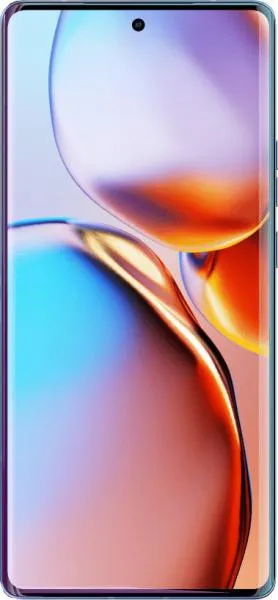
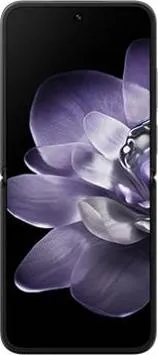
1. Specifications Comparison
| Feature | Motorola Edge 40 Pro | Xiaomi Mix Flip | Practical Impact |
|---|---|---|---|
| Design | |||
| Dimensions (mm) | 161.2 x 74 x 8.6 | 167.5 x 74 x 7.6 | Mix Flip is taller and thicker when folded, but thinner when unfolded. Edge 40 Pro is likely more pocketable in traditional sense. |
| Weight (g) | 199 | 190 | Negligible weight difference in practical use. |
| Foldable | No | Yes | Mix Flip offers a larger screen in a smaller form factor when folded, enhancing portability. |
| Display | |||
| Display Size (inches) | 6.67 | 6.86 | Mix Flip offers a larger display for more immersive content consumption. |
| Resolution (px) | 1080 x 2400 | 1224 x 2912 | Mix Flip boasts a significantly sharper display with higher pixel density, resulting in crisper text and images. |
| Display Type | OLED | Foldable LTPO AMOLED | Mix Flip's LTPO AMOLED likely offers better power efficiency and potentially improved outdoor visibility due to the claimed 3000 nits peak brightness (vs 1300 nits on the Edge 40 Pro). Foldable nature introduces a crease, a potential distraction for some. |
| Refresh Rate (Hz) | 165 | 120 | Edge 40 Pro offers smoother scrolling and animations, particularly noticeable in gaming. However, 120Hz is still very smooth for most users. |
| Performance | |||
| Chipset | Snapdragon 8 Gen 2 | Snapdragon 8 Gen 3 | Mix Flip benefits from a newer generation chipset, translating to faster processing speeds, improved graphics performance, and better power efficiency. |
| CPU | Octa-core (1x3.2 GHz Cortex-X3...) | Octa-core (1x3.3 GHz Cortex-X4...) | Mix Flip's newer CPU architecture delivers a performance boost, though likely marginal in everyday tasks for average users. |
| GPU | Adreno 740 | Adreno 750 | Mix Flip has a more powerful GPU, resulting in smoother gaming and faster rendering for graphically demanding tasks. |
| RAM (GB) | 12 | 12 | Both offer ample RAM for multitasking and demanding applications. |
| Camera | |||
| Main Camera (MP) | 50 | 50 | Comparable main camera resolution. Practical image quality will depend on sensor size, processing, and other factors not fully specified here. |
| Telephoto | 12MP (2x Optical Zoom) | 60MP Telephoto + Portrait | Mix Flip's higher resolution telephoto potentially offers superior zoom capabilities and dedicated portrait features. Motorola's specifications provide more detail regarding optical zoom. |
| Ultrawide | 50MP | Not specified | Edge 40 Pro offers an ultrawide lens for capturing wider fields of view. Lack of clear specification for Mix Flip limits comparison. |
| Battery | |||
| Capacity (mAh) | 4600 | 4780 | Mix Flip has a slightly larger battery, potentially offering longer usage time. Real-world battery life depends on numerous factors, including display usage and processing demands. |
2. Key Differences Analysis
Motorola Edge 40 Pro Advantages:
- Higher Refresh Rate Display: Smoother scrolling and animations.
- More Affordable (based on limited pricing data): Potentially better value depending on individual needs.
- Traditional Form Factor: More familiar and pocketable for some.
- Detailed Camera Specifications: Allows for more thorough comparison.
Xiaomi Mix Flip Advantages:
- Foldable Design: Larger screen in a compact folded size.
- Sharper Display: Higher resolution and pixel density.
- More Powerful Performance: Newer generation chipset and CPU/GPU.
- Larger Battery: Potentially longer battery life.
- Potentially Superior Telephoto Lens: Higher resolution indicates possible better zoom and portrait capabilities.
3. User Profiles & Recommendations
Motorola Edge 40 Pro: Users who prioritize a smooth, high refresh rate display in a traditional form factor, value affordability, and don't require the latest processing power or foldable design. Suitable for gaming enthusiasts, content consumers sensitive to smooth scrolling, and budget-conscious buyers.
Xiaomi Mix Flip: Users who prioritize portability and a large screen, value cutting-edge technology and performance, and are willing to pay a premium for a foldable device. Suitable for users who consume media on the go, multitask frequently, and desire a unique, innovative device.
4. Decision Framework
Key Questions for Buyers:
- Form Factor Preference: Do you prioritize a traditional smartphone or a foldable device with a larger screen in a compact size?
- Performance Needs: Do you require the absolute latest processing power for demanding tasks or is a slightly older but still powerful chip sufficient?
- Budget: Are you willing to pay a premium for the latest technology and foldable design, or are you seeking the best value for your money?
My Choice: Xiaomi Mix Flip
While the Motorola Edge 40 Pro is a compelling device with a smoother display and potentially lower price, the Xiaomi Mix Flip's foldable design, larger and sharper display, and more powerful performance make it my preferred choice. The newer generation chipset future-proofs the device better, and the foldable form factor offers a unique user experience. The slightly larger battery is a bonus. The lack of detailed camera specifications for the Mix Flip makes a full comparison difficult, but the 60MP telephoto suggests a strong camera system. Although the crease on a foldable might be a concern, the benefits of the larger screen in a smaller package outweigh the drawbacks for me. I value innovation and cutting-edge technology, and the Mix Flip delivers in those areas.
