1. Specifications Comparison
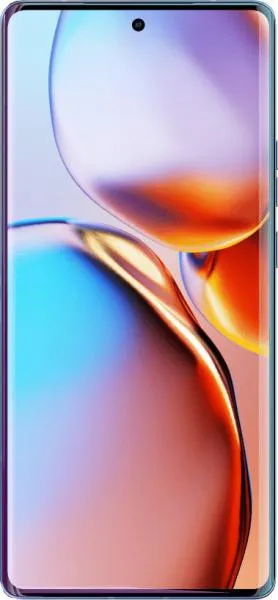
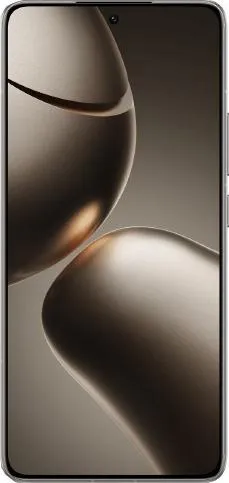
| Feature | Motorola Edge 40 Pro | Xiaomi 14T Pro | Practical Impact |
|---|---|---|---|
| Design | |||
| Dimensions (mm) | 161.2 x 74 x 8.6 | 160.4 x 75.1 x 8.4 | Xiaomi 14T Pro is slightly shorter and wider, but negligibly so. |
| Weight (g) | 199 | 209 | Motorola is noticeably lighter, improving one-handed use. |
| Display | |||
| Display Type | OLED | AMOLED | Both offer excellent contrast and vibrant colors. |
| Display Size (inches) | 6.67 | 6.67 | Identical screen sizes. |
| Resolution | 1080 x 2400 | 1220 x 2712 | Xiaomi has a significantly sharper display, noticeable in text clarity and image detail. |
| Refresh Rate (Hz) | 165 | 144 | Both offer smooth scrolling and animations; Motorola's slightly higher rate might be smoother for fast-paced gaming. |
| Peak Brightness (nits) | 1300 | 4000 | Xiaomi boasts much higher peak brightness, ensuring excellent outdoor visibility. |
| Color Depth | 1B | 68B | Xiaomi's wider color gamut provides more accurate and nuanced color reproduction. |
| Performance | |||
| Chipset | Snapdragon 8 Gen 2 | Dimensity 9300+ | Both are flagship-level chipsets promising excellent performance. Benchmark comparisons would be needed for definitive conclusions. |
| CPU | Octa-core (1x3.2 GHz Cortex-X3 & 2x2.8 GHz Cortex-A715 & 2x2.8 GHz Cortex-A710 & 3x2.0 GHz Cortex-A510) | Octa-core (1x3.4 GHz Cortex-X4 & 3x2.85 GHz Cortex-X4 & 4x2.0 GHz Cortex-A720) | Both CPUs offer high performance. Architectural differences require benchmarks for practical comparison. |
| GPU | Adreno 740 | Immortalis-G720 MC12 | Both are powerful GPUs. Gaming performance comparisons are needed for definitive assessment. |
| RAM (GB) | 12 | 12 | Identical RAM capacity, ensuring smooth multitasking on both devices. |
| Camera | |||
| Main Camera (MP) | 50 | 50 | Megapixel count is similar; sensor size and aperture details suggest the Xiaomi phone might have better low-light performance. |
| Ultrawide (MP) | 50 | 12 | Motorola offers a significantly higher resolution ultrawide camera. |
| Telephoto (MP) | 12 | 50 | Xiaomi has a much higher resolution telephoto lens, potentially enabling better zoom capabilities. |
| Video Capabilities | Up to 8K@30fps | Up to 8K@30fps | Similar video recording capabilities on paper. Image stabilization and real-world video quality tests are necessary for a comprehensive comparison. |
| Battery | |||
| Capacity (mAh) | 4600 | 5000 | Xiaomi has a larger battery capacity, potentially translating to longer battery life. Real-world usage will vary. |
| Charging Speed | Not specified | Not specified | Charging speed comparison not possible due to missing information. |
2. Key Differences Analysis
Motorola Edge 40 Pro Advantages:
- Lighter Weight: More comfortable for extended use and one-handed operation.
- Slightly Higher Refresh Rate: Potentially smoother for gaming.
- Higher Resolution Ultrawide Camera: Captures more detailed wide-angle shots.
Xiaomi 14T Pro Advantages:
- Sharper Display: Noticeably clearer images and text.
- Higher Peak Brightness: Superior outdoor visibility.
- Wider Color Gamut: More accurate and vibrant color reproduction.
- Larger Battery: Potentially longer battery life.
- Higher Resolution Telephoto Camera: Potentially better zoom capabilities.
- Lower Price: Offers better value for money given the specifications.
3. User Profiles & Recommendations
Motorola Edge 40 Pro: Users prioritizing a lightweight phone, potentially mobile gamers sensitive to high refresh rates.
Xiaomi 14T Pro: Users who value display quality, battery life, camera versatility (especially zoom), and affordability. Suitable for media consumption, photography enthusiasts, and general users seeking a well-rounded device.
4. Decision Framework
Key Questions for Buyers:
- What is your budget? The Xiaomi 14T Pro offers significantly better value for its price.
- What are your display priorities? If sharpness and brightness are crucial, the Xiaomi excels.
- How important is battery life? The Xiaomi's larger battery is likely to last longer.
Scenario-Based Recommendations:
- Tight Budget: Xiaomi 14T Pro
- Photography Enthusiast: Xiaomi 14T Pro (due to telephoto lens)
- Mobile Gamer: Further research on gaming benchmarks needed, but Motorola's slightly faster refresh rate might be advantageous.
My Choice: Xiaomi 14T Pro
The Xiaomi 14T Pro offers a compelling combination of a superior display, larger battery, versatile camera system, and a lower price. While the Motorola Edge 40 Pro has its strengths (lighter weight, higher-resolution ultrawide), the Xiaomi's advantages in key areas like display, battery, and overall value make it the more attractive option for a wider range of users. The price difference is significant enough to justify the trade-offs. The lack of specific charging speeds for both phones prevents a complete assessment in that area, but the available data points strongly towards the Xiaomi.
