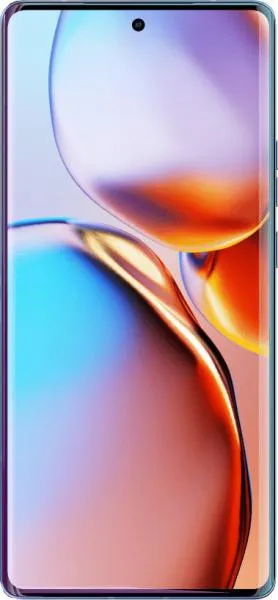
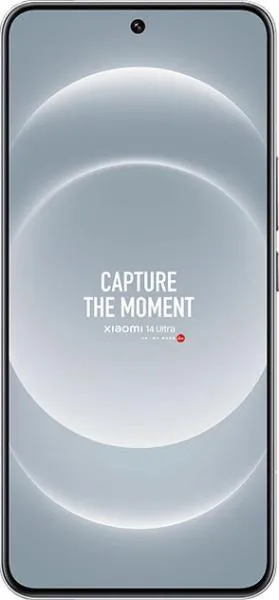
1. Specifications Comparison
| Feature | Motorola Edge 40 Pro | Xiaomi 14 Ultra | Practical Impact |
|---|---|---|---|
| Design | |||
| Dimensions (mm) | 161.2 x 74 x 8.6 | 161.4 x 75.3 x 9.2 | Xiaomi 14 Ultra is slightly larger and thicker. |
| Weight (g) | 199 | 229.5 | Xiaomi 14 Ultra is noticeably heavier (30.5g). This can impact one-handed use and pocket comfort. |
| Display | |||
| Display Type | OLED | LTPO AMOLED | Xiaomi's LTPO AMOLED allows for dynamic refresh rate adjustment, saving battery. Both offer vibrant colors and deep blacks thanks to OLED technology. |
| Display Size (inches) | 6.67 | 6.73 | Negligible size difference. |
| Resolution | 1080 x 2400 | 1440 x 3200 | Xiaomi 14 Ultra has a significantly sharper display (522 ppi vs 394 ppi), resulting in crisper text and images. |
| Refresh Rate (Hz) | 165 | 120 | Motorola offers a higher refresh rate for smoother animations, but Xiaomi's LTPO panel can dynamically adjust for better battery life. |
| Peak Brightness (nits) | 1300 | 3000 | Xiaomi 14 Ultra offers much higher peak brightness, ensuring better visibility in direct sunlight. |
| Performance | |||
| Chipset | Snapdragon 8 Gen 2 | Snapdragon 8 Gen 3 | Xiaomi 14 Ultra utilizes a newer generation chipset, offering improved performance and efficiency. |
| CPU | Octa-core (1x3.2 GHz Cortex-X3 & 2x2.8 GHz Cortex-A715 & 2x2.8 GHz Cortex-A710 & 3x2.0 GHz Cortex-A510) | Octa-core (1x3.3 GHz Cortex-X4 & 3x3.2 GHz Cortex-A720 & 2x3.0 GHz Cortex-A720 & 2x2.3 GHz Cortex-A520) | Xiaomi 14 Ultra's newer CPU architecture should deliver faster processing speeds and better multitasking. |
| RAM (GB) | 12 | 16 | Xiaomi 14 Ultra has more RAM, enabling better multitasking and smoother performance with demanding applications. |
| GPU | Adreno 740 | Adreno 750 | Xiaomi 14 Ultra's newer GPU provides a performance boost for gaming and graphically intensive tasks. |
| Camera | |||
| Main Camera (MP) | 50 MP (OV50A) | 50 MP (LYT-900) | Xiaomi uses a larger 1-inch sensor (LYT-900) for potentially better low-light performance and dynamic range. |
| DxOMark Score | 130 | 149 | Xiaomi 14 Ultra scores significantly higher in DxOMark tests, indicating superior overall camera quality. |
| Battery | |||
| Capacity (mAh) | 4600 | 5000 | Xiaomi 14 Ultra has a larger battery, likely translating to longer battery life. |
2. Key Differences Analysis
Motorola Edge 40 Pro Advantages:
- Higher Refresh Rate: Smoother scrolling and animations.
- Lighter and Slimmer: More comfortable for one-handed use and pocket portability.
Xiaomi 14 Ultra Advantages:
- Sharper Display: More detailed and crisper visuals.
- More Powerful Performance: Faster processing and better multitasking due to newer chipset and more RAM.
- Superior Camera System: Larger sensor, higher DxOMark score, more versatile lens setup.
- Larger Battery: Potentially longer battery life.
- Brighter Display: Much better outdoor visibility.
3. User Profiles & Recommendations
Motorola Edge 40 Pro: Users prioritizing a lightweight, smooth display experience, who are not heavy gamers or photographers. Suitable for everyday tasks, web browsing, and media consumption.
Xiaomi 14 Ultra: Users who demand top-tier performance, a brilliant display, and a cutting-edge camera system. Ideal for power users, mobile gamers, photographers, and videographers. Price conscious buyers should consider the "medium price" designation carefully, as final pricing may vary.
4. Decision Framework
Key Questions for Buyers:
- What is your budget? The Xiaomi 14 Ultra is likely more expensive.
- What are your primary use cases? Gaming, photography, or everyday tasks?
- Do you prioritize portability and one-handed use or a larger battery and sharper display?
Scenario-Based Recommendations:
- Tight Budget, Everyday Use: Motorola Edge 40 Pro.
- Demand Performance and Camera: Xiaomi 14 Ultra.
My Choice: Xiaomi 14 Ultra
While the Motorola Edge 40 Pro offers a compelling combination of smoothness and portability, the Xiaomi 14 Ultra's superior performance, camera system, display, and battery life make it the clear winner for me. The significantly higher DxOMark score and the larger 1-inch camera sensor are particularly appealing. While heavier, the advantages in key areas outweigh the slight increase in size and weight for my personal preferences. The newer generation processor and increased RAM solidify the Xiaomi 14 Ultra as a future-proof device capable of handling demanding tasks for years to come.
