1. Specifications Comparison
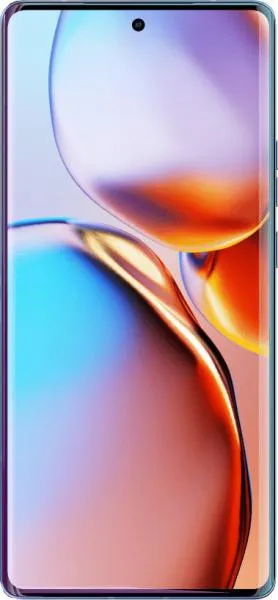
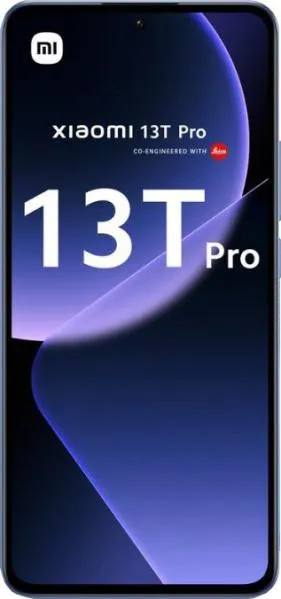
| Feature | Motorola Edge 40 Pro | Xiaomi 13T Pro | Practical Impact |
|---|---|---|---|
| Design | |||
| Dimensions (mm) | 161.2 x 74 x 8.6 | 162.2 x 75.7 x 8.5 | Xiaomi 13T Pro is slightly larger. Negligible difference in daily use. |
| Weight (g) | 199 | 200 | Virtually identical weight. |
| Display | |||
| Display Type | OLED | AMOLED | Both offer excellent contrast and vibrant colors. Xiaomi's use of TCL Huaxing C7 might introduce slight variations in color accuracy compared to Motorola's OLED, but this is generally subjective. |
| Size (inches) | 6.67 | 6.67 | Same screen size. |
| Resolution | 1080 x 2400 | 1220 x 2712 | Xiaomi 13T Pro has a sharper display with noticeably higher pixel density, leading to crisper text and images. |
| Refresh Rate (Hz) | 165 | 144 | Both offer high refresh rates for smooth scrolling and animations. While Motorola has a slightly higher rate, the difference is minimal in real-world use. |
| Peak Brightness (nits) | 1300 | 2600 | The significantly higher peak brightness of the Xiaomi 13T Pro ensures better outdoor visibility in direct sunlight. |
| Color Depth | 1B | 68B | Xiaomi offers a wider color gamut theoretically capable of displaying more nuanced colors. The practical difference might be subtle for average users but beneficial for content creators. |
| Performance | |||
| Chipset | Snapdragon 8 Gen 2 | Dimensity 9200+ | Both are flagship chipsets offering top-tier performance. Dimensity 9200+ boasts slightly higher clock speeds in some cores. Real-world performance differences will likely be minor for most tasks but might favor the Xiaomi in demanding games or prolonged heavy usage. |
| CPU | Octa-core (1x3.2 GHz X3 & 2x2.8 GHz A715 & 2x2.8 GHz A710 & 3x2.0 GHz A510) | Octa-core (1x3.35 GHz X3 & 3x3.0 GHz A715 & 4x2.0 GHz A510) | Similar core configurations, but the Dimensity 9200+ has a slightly faster primary core and more performance cores clocked at 3.0 GHz. This could translate to slightly faster app loading and multitasking on the Xiaomi. |
| GPU | Adreno 740 | Immortalis-G715 MC11 | Both GPUs are high-end and capable of handling demanding games. Performance differences will depend on specific game optimization. |
| RAM (GB) | 12 | 12/16 | Xiaomi offers a 16GB RAM option for even smoother multitasking, particularly beneficial for power users. |
| Camera | |||
| Main Camera (MP) | 50 | 50 | Comparable resolution. Sensor size and aperture differences (larger sensor and wider aperture on the Xiaomi) suggest the Xiaomi might perform better in low light. |
| Ultrawide (MP) | 50 | 13 | Motorola has a significantly higher resolution ultrawide camera. |
| Telephoto (MP) | 12 | 50 | Xiaomi has a significantly higher resolution telephoto camera, potentially offering better zoom capabilities. It also utilizes a specialized portrait lens. |
| Selfie (MP) | 60 | 20 | Motorola boasts a much higher resolution selfie camera. |
| DXOMARK Score | 130 | 131 | Xiaomi has a slightly higher overall DXOMARK score, but both are excellent camera phones. Real-world performance will depend on individual preferences and shooting conditions. |
| Battery | |||
| Capacity (mAh) | 4600 | 5000 | Xiaomi 13T Pro has a larger battery capacity, potentially leading to longer battery life. |
| USB Version | 3.2 | 2.0 | Motorola supports faster data transfer speeds via USB. This is relevant for those who frequently transfer large files. Charging speeds are not solely determined by USB version, so impact on charging time is unclear. |
2. Key Differences Analysis
Motorola Edge 40 Pro Advantages:
- Slightly faster display refresh rate: Smoother experience in some scenarios.
- Higher resolution ultrawide camera: More detailed ultrawide shots.
- Higher resolution selfie camera: Sharper selfies.
- Faster data transfer speeds: Quicker file transfers.
Xiaomi 13T Pro Advantages:
- Sharper display: More detail in text and images.
- Significantly brighter display: Excellent outdoor visibility.
- Larger battery: Potentially longer battery life.
- Higher resolution telephoto camera: Better zoom and portrait capabilities.
- Lower price: Offers a compelling price-to-performance ratio.
- Higher RAM option (16GB): Enhanced multitasking capabilities.
3. User Profiles & Recommendations
Motorola Edge 40 Pro: Users prioritizing a smooth display, high-quality selfies, fast data transfer, and a slightly more compact form factor.
Xiaomi 13T Pro: Users prioritizing battery life, display sharpness and brightness, strong overall performance, versatile camera system, and value for money.
4. Decision Framework
Key Questions for Buyers:
- What is your budget? The Xiaomi 13T Pro offers better value in terms of price-to-performance.
- What are your most important features? Prioritize camera, display, battery life, or performance.
- What is your typical usage pattern? Heavy gaming, content consumption, photography, or general use?
Scenario-Based Recommendations:
- Heavy gamer: Xiaomi 13T Pro (higher peak performance, larger battery).
- Photography enthusiast: Xiaomi 13T Pro (versatile camera system, better low-light performance).
- Outdoor user: Xiaomi 13T Pro (brighter display).
- Budget-conscious user: Xiaomi 13T Pro.
My Choice: Xiaomi 13T Pro
Reasons:
While the Motorola Edge 40 Pro offers some advantages like a higher resolution ultrawide and selfie camera, the Xiaomi 13T Pro presents a more compelling overall package for my needs. The significantly brighter and sharper display, larger battery, versatile camera system with a strong telephoto lens, and significantly lower price make it the more attractive option. The potential for slightly better performance due to the Dimensity 9200+ is a bonus. While I value fast data transfer, the difference in USB versions wouldn't be a deal-breaker for me, and the benefits of the Xiaomi outweigh this minor drawback. Finally, the availability of a 16GB RAM option future-proofs the device for demanding tasks and prolonged usage. The Xiaomi 13T Pro offers outstanding value without significant compromises.
