1. Specifications Comparison
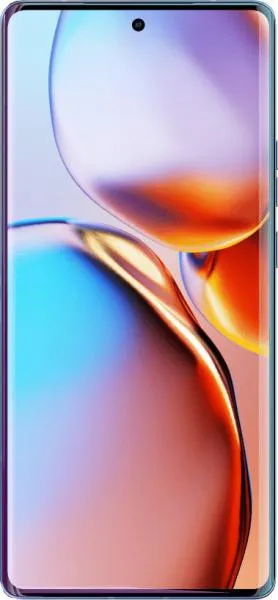
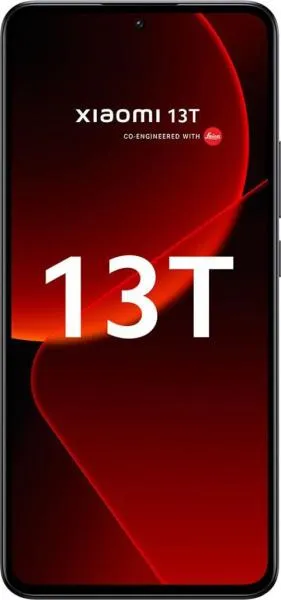
| Feature | Motorola Edge 40 Pro | Xiaomi 13T | Practical Impact |
|---|---|---|---|
| Design | |||
| Dimensions (mm) | 161.2 x 74 x 8.6 | 162.2 x 75.7 x 8.5 | Virtually identical in size and feel. |
| Weight (g) | 199 | 193 | Negligible weight difference in hand. |
| Display | |||
| Display Type | OLED | AMOLED | Both offer vibrant colors and deep blacks. AMOLED generally consumes less power. |
| Size (inches) | 6.67 | 6.67 | Same screen size. |
| Resolution | 1080 x 2400 | 1220 x 2712 | Xiaomi 13T has a sharper display due to higher resolution. Noticeable in detail and text clarity. |
| Refresh Rate (Hz) | 165 | 144 | Both offer smooth scrolling and animations; Motorola Edge 40 Pro slightly smoother but the difference is minimal in everyday use. |
| Peak Brightness (nits) | 1300 | 2600 | Xiaomi 13T significantly brighter, crucial for outdoor visibility. |
| Performance | |||
| Chipset | Snapdragon 8 Gen 2 | Dimensity 8200 Ultra | Snapdragon 8 Gen 2 generally considered more powerful, offering potentially better gaming and multitasking performance. |
| CPU | Octa-core (1x3.2 GHz Cortex-X3 & 2x2.8 GHz Cortex-A715 & 2x2.8 GHz Cortex-A710 & 3x2.0 GHz Cortex-A510) | Octa-core (1x3.1 GHz Cortex-A78 & 3x3.0 GHz Cortex-A78 & 4x2.0 GHz Cortex-A55) | Motorola's CPU configuration suggests a performance advantage, particularly in demanding tasks. |
| GPU | Adreno 740 | Mali-G610 MC6 | Adreno 740 generally performs better in graphics-intensive tasks like gaming. |
| RAM (GB) | 12 | 8/12 (version dependent) | 12GB offers better multitasking and future-proofing. |
| Camera | |||
| Main Camera (MP) | 50 | 50 | Comparable resolution, but sensor details suggest potential differences in low-light performance and image quality. |
| Ultrawide (MP) | 50 | 13 | Motorola offers significantly higher resolution ultrawide, capturing more detail. |
| Telephoto (MP) | 12 | 50 | Xiaomi offers a higher resolution telephoto with potentially better zoom capabilities. It's unclear if the Xiaomi telephoto is a dedicated lens or if it's achieved through sensor cropping. |
| Video | Up to 8K@30fps | Up to 4K@30fps | Motorola supports higher resolution video recording. |
| Battery | |||
| Capacity (mAh) | 4600 | 5000 | Xiaomi 13T offers larger battery capacity, likely translating to longer battery life. |
| Other | |||
| OS | Android 13 | Android 13 | Both run on the latest Android version, though maximum supported future versions differ. |
| Price Range | High | Medium | Significant price difference, making the Xiaomi 13T a potentially better value proposition. |
2. Key Differences Analysis
Motorola Edge 40 Pro Advantages:
- Potentially Superior Performance: Snapdragon 8 Gen 2 and Adreno 740 offer a potential edge in processing power and graphics performance.
- Higher Resolution Ultrawide Camera: Captures more detailed and wider shots.
- Higher Resolution Video Recording: 8K recording capability for future-proof content creation.
- Slightly Smoother Display: 165Hz refresh rate provides marginal improvement in fluidity.
Xiaomi 13T Advantages:
- Sharper Display: Higher resolution for crisper visuals.
- Significantly Brighter Display: Better outdoor visibility.
- Larger Battery: Potential for longer battery life.
- Lower Price: Offers competitive features at a more affordable price point.
3. User Profiles & Recommendations
Motorola Edge 40 Pro: Users prioritizing top-tier performance, especially for gaming or demanding applications, and those who value a high-quality ultrawide camera and high-resolution video recording.
Xiaomi 13T: Users seeking a balance of performance, features, and affordability. Excellent for users who consume a lot of media and need a bright display for outdoor use. Also suitable for budget-conscious users who don't want to compromise on key features.
4. Decision Framework
Key Questions for Buyers:
- What is your budget? The significant price difference is a major factor.
- What are your primary use cases? Gaming, photography, media consumption, or general use?
- How important is battery life? The Xiaomi 13T's larger battery might be crucial for heavy users.
Scenario-Based Recommendations:
- Gamer: Motorola Edge 40 Pro for its superior performance.
- Photographer/Videographer: Motorola Edge 40 Pro for its higher resolution ultrawide and 8K video, though Xiaomi's telephoto capabilities need further clarification for a complete assessment.
- Heavy Media Consumer: Xiaomi 13T for its sharper, brighter display and larger battery.
- Budget-Conscious User: Xiaomi 13T offers excellent value for its price.
My Choice: Xiaomi 13T
While the Motorola Edge 40 Pro boasts a slightly more powerful processor, the Xiaomi 13T offers a compelling combination of features at a significantly lower price. The sharper and brighter display, along with the larger battery, are significant advantages for my daily usage, which primarily involves media consumption, web browsing, and light gaming. The performance difference between the two chipsets is unlikely to be noticeable in my typical workflow. The Xiaomi 13T provides a better price-to-performance ratio for my needs. I also appreciate the potential for a better zoom experience assuming the 50MP telephoto is a dedicated lens, although this information needs clarification.
