1. Specifications Comparison
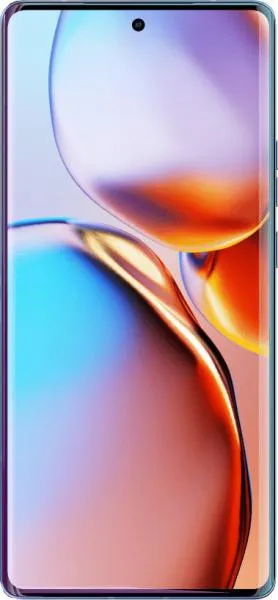
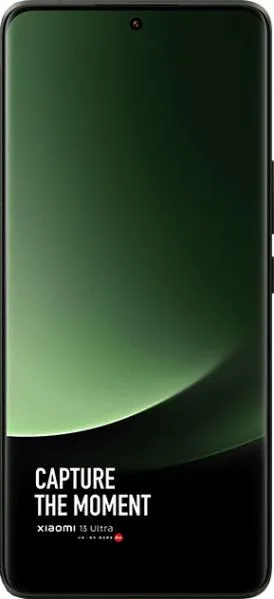
| Feature | Motorola Edge 40 Pro | Xiaomi 13 Ultra | Practical Impact |
|---|---|---|---|
| Design | |||
| Dimensions (mm) | 161.2 x 74 x 8.6 | 163.2 x 74.6 x 9.1 | Xiaomi 13 Ultra is slightly larger and thicker. |
| Weight (g) | 199 | 227 | Noticeable weight difference; Edge 40 Pro feels significantly lighter in hand. |
| Display | |||
| Size (inches) | 6.67 | 6.73 | Negligible size difference in real-world usage. |
| Resolution | 1080 x 2400 | 1440 x 3200 | Xiaomi 13 Ultra has a sharper display with significantly higher pixel density, leading to crisper text and images. |
| Display Type | OLED, 165Hz | LTPO AMOLED, 120Hz | Both offer excellent contrast and vibrant colors. Xiaomi's LTPO panel allows for dynamic refresh rate adjustment, potentially saving battery. Motorola offers a higher refresh rate for smoother animations, but without dynamic adjustment. |
| Peak Brightness (nits) | 1300 | 2600 | Xiaomi 13 Ultra offers vastly superior outdoor visibility in direct sunlight. |
| Performance | |||
| Chipset | Snapdragon 8 Gen 2 | Snapdragon 8 Gen 2 | Identical chipsets resulting in similar performance for everyday tasks and demanding games. |
| RAM (GB) | 12 | 12/16 | Xiaomi offers a 16GB RAM option for even more aggressive multitasking, though 12GB is sufficient for most users. |
| Camera | |||
| Main Camera (MP) | 50 | 50 | Both use high-resolution sensors, but Xiaomi utilizes a much larger 1-inch sensor (IMX989), promising superior low-light performance and depth of field. |
| Ultrawide (MP) | 50 | 50 | Similar resolution, but Xiaomi's lens also doubles as a macro lens, offering greater versatility. |
| Telephoto (MP) | 12 | 50 (x2) & 50 (x5) | Xiaomi has a clear advantage with two telephoto lenses offering optical zoom at different ranges and higher resolution, enabling significantly better zoom capabilities. |
| DXOMARK Score | 130 | 140 | Xiaomi 13 Ultra scores higher overall in DXOMARK tests, indicating superior image and video quality. However, real-world results may vary. |
| Battery | |||
| Capacity (mAh) | 4600 | 5000 | Xiaomi 13 Ultra offers longer battery life due to larger capacity. |
2. Key Differences Analysis
Motorola Edge 40 Pro Advantages:
- Lighter and more compact: More comfortable for one-handed use and extended periods.
- Higher refresh rate display: Smoother scrolling and animations, beneficial for gaming.
- Potentially Lower Price: Generally more affordable than the Xiaomi 13 Ultra.
Xiaomi 13 Ultra Advantages:
- Superior camera system: Larger sensor, more versatile lenses, and better zoom capabilities provide a significant advantage in photography and videography.
- Sharper and brighter display: More detailed and easier to view in bright sunlight.
- Larger battery: Offers longer usage time between charges.
- LTPO Display: Dynamic refresh rate can improve battery life.
Trade-offs:
- Xiaomi's superior camera and display come at the cost of increased size and weight.
- Motorola prioritizes a smoother display experience but sacrifices battery life and sharpness.
3. User Profiles & Recommendations
Motorola Edge 40 Pro:
- Ideal User: Users seeking a powerful, lightweight phone with a smooth display at a relatively lower price point. Those sensitive to phone weight will appreciate its lighter build.
- Use Cases: Everyday tasks, web browsing, gaming, content consumption.
Xiaomi 13 Ultra:
- Ideal User: Photography enthusiasts, content creators, and users who demand the best possible camera and display quality. Users who prioritize battery life.
- Use Cases: Photography, videography, demanding tasks, extended usage without charging.
4. Decision Framework
Key Questions for Buyers:
- What is your budget? The Xiaomi 13 Ultra is significantly more expensive.
- What are your primary use cases? If photography is a priority, the Xiaomi is the clear winner. If you value a lighter phone with a smooth display, the Motorola might be a better fit.
- How important is battery life? The Xiaomi's larger battery will provide longer usage time.
Scenario-Based Recommendations:
- Limited Budget: Motorola Edge 40 Pro
- Photography Enthusiast: Xiaomi 13 Ultra
- Gamer on a Budget: Motorola Edge 40 Pro
- Power User needing long battery life: Xiaomi 13 Ultra
My Choice: Xiaomi 13 Ultra
While the Motorola Edge 40 Pro is a compelling option with its lighter weight and smoother display refresh rate, the Xiaomi 13 Ultra's superior camera system, sharper and brighter display, and larger battery are decisive factors for me. I prioritize photography and having the best possible visual experience, making the Xiaomi 13 Ultra the better choice despite its higher price and increased weight. The larger 1-inch sensor, versatile zoom capabilities, and incredibly bright display are features I value greatly. While the weight difference is noticeable, the advantages in other areas outweigh this drawback for my personal needs.
