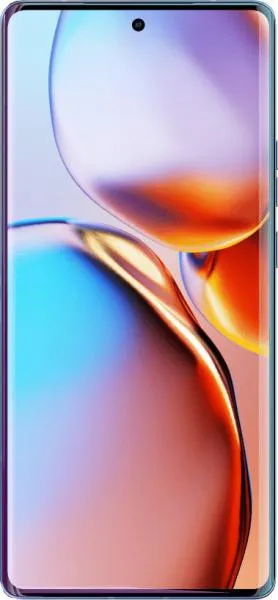

1. Specifications Comparison
| Feature | Motorola Edge 40 Pro | vivo X100 Pro | Practical Impact |
|---|---|---|---|
| Design | |||
| Dimensions (mm) | 161.2 x 74 x 8.6 | 164.1 x 75.3 x 8.9 | Vivo is slightly larger and thicker. |
| Weight (g) | 199 | 221 | Motorola is noticeably lighter, improving one-handed use. |
| Display | |||
| Display Type | OLED | LTPO AMOLED | Vivo's LTPO panel allows for dynamic refresh rate adjustment, saving battery. Both offer vibrant colors and deep blacks. |
| Size (inches) | 6.67 | 6.78 | Negligible size difference. |
| Resolution | 1080 x 2400 | 1260 x 2800 | Vivo has a sharper display (higher pixel density), resulting in crisper text and images. |
| Refresh Rate (Hz) | 165 | 120 | Motorola offers a higher refresh rate for smoother animations and scrolling, but Vivo's LTPO can dynamically adjust for better battery life. |
| Peak Brightness (nits) | 1300 | 3000 | Vivo's significantly higher peak brightness ensures better visibility in direct sunlight. |
| Performance | |||
| Chipset | Snapdragon 8 Gen 2 | Dimensity 9300 | Both are flagship chipsets offering top-tier performance. Benchmark comparisons would be needed to determine practical differences. |
| CPU | Octa-core (1x3.2 GHz Cortex-X3 & ...) | Octa-core (1x3.25 GHz Cortex-X4 & ...) | Both CPUs offer excellent performance. Real-world differences may be minor for most users. |
| GPU | Adreno 740 | Immortalis-G720 MC12 | Both are powerful GPUs, but gaming benchmarks are needed for detailed comparison. |
| RAM (GB) | 12 | 16 | Vivo offers more RAM, potentially benefiting multitasking and demanding applications. |
| Camera | |||
| Main Camera (MP) | 50 (Omnivision OV50A) | 50 (Sony IMX989) | Vivo uses a larger sensor (1-inch), potentially offering better low-light performance and depth of field. |
| Ultrawide (MP) | 50 | 50 | Similar resolution, but lens quality and processing will determine practical image quality differences. |
| Telephoto (MP) | 12 (Sony IMX663) | 50 (Omnivision OV64B) | Vivo has a significantly higher resolution telephoto, enabling better zoom capabilities. |
| DXOMARK Score | 130 | 150 | Vivo scores significantly higher in DXOMARK tests, suggesting superior overall camera performance. |
| Battery | |||
| Capacity (mAh) | 4600 | 5400 | Vivo offers a larger battery capacity, potentially translating to longer battery life. |
2. Key Differences Analysis
Motorola Edge 40 Pro Advantages:
- Lighter and more compact: Easier for one-handed use and portability.
- Higher refresh rate display: Smoother scrolling and animations.
- Potentially wider availability and lower price: Depending on the specific market.
vivo X100 Pro Advantages:
- Sharper, brighter display: Improved outdoor visibility and crisper content.
- More RAM: Better multitasking and performance for demanding apps.
- Larger battery: Potentially longer battery life.
- Significantly better camera system: Based on DXOMARK scores and sensor specifications. Vivo's larger sensor promises superior low-light photography.
3. User Profiles & Recommendations
Motorola Edge 40 Pro: Users prioritizing a lighter, more compact phone with a smooth display and a more affordable price point. Suitable for everyday tasks, gaming, and content consumption.
vivo X100 Pro: Users who value photography, a bright and sharp display, long battery life, and top-tier performance. Ideal for photography enthusiasts, power users, and those who consume a lot of media.
4. Decision Framework
Key Questions for Buyers:
- What is your budget? The vivo X100 Pro is positioned in a higher price bracket.
- What are your primary use cases? Photography enthusiasts will lean towards the vivo. Gamers might prefer the Motorola's higher refresh rate (though battery life needs to be considered).
- How important is battery life and portability? The Vivo likely offers longer battery life, but the Motorola is lighter and more compact.
My Choice: vivo X100 Pro
While the Motorola Edge 40 Pro offers a compelling package with its lighter weight and higher refresh rate display, the vivo X100 Pro's superior camera system, brighter and sharper display, larger battery, and more powerful hardware make it the more compelling device for me. The price difference is justifiable considering the significant advantages in key areas like camera and display, which I personally value highly. The larger battery and extra RAM also contribute to a more future-proof device. While the added weight might be a minor drawback, the overall benefits of the vivo X100 Pro outweigh this concern for my usage pattern.
