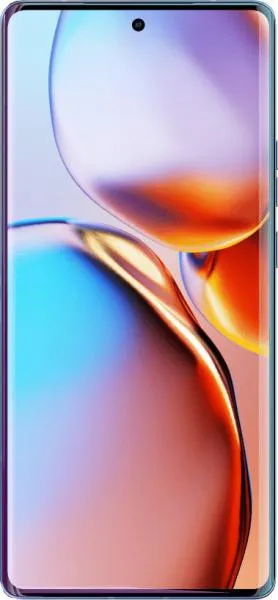
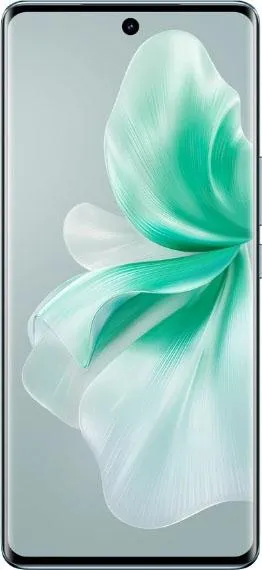
1. Specifications Comparison
| Feature | Motorola Edge 40 Pro | vivo V30 | Practical Impact |
|---|---|---|---|
| Design | |||
| Dimensions (mm) | 161.2 x 74 x 8.6 | 164.4 x 75.1 x 7.5 | The Vivo V30 is slightly larger but thinner. |
| Weight (g) | 199 | 186 | The Vivo V30 is noticeably lighter, improving one-hand use. |
| Display | |||
| Size (inches) | 6.67 | 6.78 | Negligible difference in screen real estate. |
| Resolution | 1080 x 2400 | 1260 x 2800 | The Vivo V30 has a sharper display (higher pixel density), resulting in crisper text and images. |
| Panel Type | OLED | AMOLED | Both offer vibrant colors and deep blacks; practical differences are minor. |
| Refresh Rate (Hz) | 165 | 120 | The Motorola offers smoother scrolling and animations, especially noticeable in gaming. |
| Peak Brightness (nits) | 1300 | 2800 (peak), 1200 (typical) | The Vivo V30 boasts significantly higher peak brightness for better outdoor visibility, though typical brightness is more relevant for daily use and is unknown for the Edge 40. |
| Performance | |||
| Chipset | Snapdragon 8 Gen 2 | Snapdragon 7 Gen 3 | The Motorola has a flagship-level processor, offering significantly better performance in demanding tasks like gaming and video editing. |
| CPU | Octa-core (1x3.2 GHz Cortex-X3 & 2x2.8 GHz Cortex-A715 & 2x2.8 GHz Cortex-A710 & 3x2.0 GHz Cortex-A510) | Octa-core (1x2.63 GHz Cortex-A715 & 3x2.4 GHz Cortex-A715 & 4x1.8 GHz Cortex-A510) | The core configuration difference reinforces the Motorola's superior processing power. |
| GPU | Adreno 740 | Adreno 720 | The Motorola's more powerful GPU enhances gaming and graphics-intensive applications. |
| RAM (GB) | 12 | 8 | The Motorola offers more RAM for better multitasking and app switching performance. |
| Camera | |||
| Rear Cameras | 50MP Main, 50MP Ultrawide, 12MP Telephoto | 50MP Main, 50MP Ultrawide | The Motorola features a dedicated telephoto lens for optical zoom, lacking in the Vivo. |
| Video Recording | Up to 8K@30fps | Up to 4K@30fps | The Motorola offers higher resolution video recording. |
| Front Camera | 60MP | 50MP | High resolution on both, but practical differences in selfie quality depend on processing and features, not just megapixel count. |
| Battery | |||
| Capacity (mAh) | 4600 | 5000 | The Vivo V30 has a larger battery capacity, potentially offering longer battery life. However, real-world battery life depends on optimization and usage patterns. |
| Charging Speed | Not specified | Not specified | Charging speed comparison is impossible without this information. |
2. Key Differences Analysis
Motorola Edge 40 Pro Advantages:
- Significantly more powerful: The Snapdragon 8 Gen 2 and higher RAM provide a substantial performance advantage for demanding tasks.
- Smoother Display: The 165Hz refresh rate offers a more fluid user experience.
- Telephoto Lens: Enables optical zoom for better image quality at longer distances.
- Higher Resolution Video: Supports 8K recording for detailed videos.
vivo V30 Advantages:
- Lighter and Thinner: More comfortable for one-handed use.
- Sharper Display: Higher resolution results in crisper visuals.
- Larger Battery: Potentially longer battery life, but real-world results depend on optimization.
- Lower Price: The "medium price" suggests better value for less demanding users.
Trade-offs:
- The Motorola prioritizes performance over battery capacity and price.
- The Vivo prioritizes display sharpness, battery capacity, and affordability over peak performance and camera versatility.
3. User Profiles & Recommendations
Motorola Edge 40 Pro: Ideal for power users, gamers, and those who prioritize performance, a smooth display, and versatile camera capabilities.
vivo V30: Suitable for users who prioritize battery life, a sharp display, and affordability over top-tier performance. Good for everyday tasks, social media, and casual photography.
4. Decision Framework
Key Questions for Buyers:
- What is your budget? The Motorola is a "high price" device, while the Vivo is "medium price."
- What are your primary smartphone uses? Demanding tasks like gaming and video editing benefit from the Motorola's power.
- How important are battery life, display sharpness, and phone weight? The Vivo excels in these areas.
Scenario-Based Recommendations:
- Gamer: Motorola Edge 40 Pro for its superior performance and high refresh rate display.
- Photographer: Motorola Edge 40 Pro for its telephoto lens and higher resolution video recording.
- Casual User: vivo V30 for its affordability, sharp display, and potentially longer battery life.
My Choice: Motorola Edge 40 Pro
While the Vivo V30 offers a compelling combination of features for its price, I would choose the Motorola Edge 40 Pro. The significant performance advantage offered by the Snapdragon 8 Gen 2, coupled with the smoother 165Hz display and more versatile camera system with a telephoto lens, outweighs the benefits of the Vivo V30 for my personal needs. I prioritize a smooth and responsive user experience for tasks like gaming and multitasking, and I value the ability to capture high-quality photos and videos with optical zoom. I am willing to compromise slightly on battery capacity and pay a premium for the significant performance gains. The lack of specific charging speeds for both phones prevents a full evaluation of that aspect.
