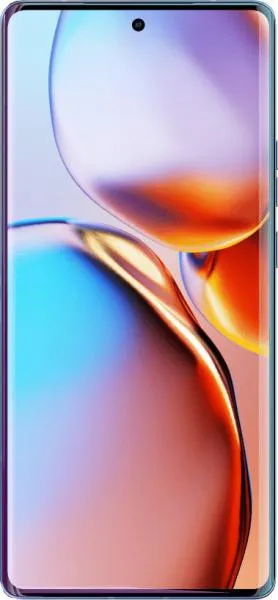
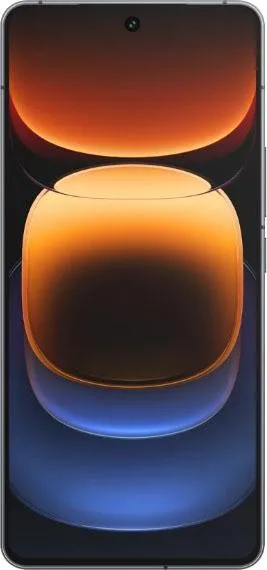
1. Specifications Comparison
| Feature | Motorola Edge 40 Pro | vivo iQOO 12 | Practical Impact |
|---|---|---|---|
| Design | |||
| Dimensions (mm) | 161.2 x 74 x 8.6 | 163.2 x 75.9 x 8.1 | iQOO 12 is slightly larger and thinner. Negligible difference in daily use. |
| Weight (g) | 199 | 198.5 | Virtually identical weight. |
| Display | |||
| Size (inches) | 6.67 | 6.78 | iQOO 12 has a slightly larger display, offering marginally more screen real estate. |
| Resolution (px) | 1080 x 2400 | 1260 x 2800 | iQOO 12 has a sharper display with higher pixel density, resulting in crisper text and images. |
| Type | OLED | LTPO AMOLED | Both offer vibrant colors and deep blacks. iQOO 12's LTPO panel allows for a variable refresh rate, potentially saving battery. |
| Refresh Rate (Hz) | 165 | 144 | Both offer smooth scrolling and animations; the difference is negligible for most users. |
| Peak Brightness (nits) | 1300 | 3000 | iQOO 12's significantly higher peak brightness ensures better visibility in direct sunlight. |
| Performance | |||
| Chipset | Snapdragon 8 Gen 2 | Snapdragon 8 Gen 3 | iQOO 12 boasts the newer, more powerful processor, resulting in faster performance and improved efficiency. |
| CPU | Octa-core (1x3.2 GHz Cortex-X3 & ...) | Octa-core (1x3.3 GHz Cortex-X4 & ...) | iQOO 12 has a faster, more efficient CPU architecture. Noticeable in demanding tasks and multitasking. |
| GPU | Adreno 740 | Adreno 750 | iQOO 12's improved GPU offers better gaming performance and smoother graphics rendering. |
| RAM (GB) | 12 | 16 | iQOO 12 offers more RAM in some variants, benefiting heavy multitaskers and gamers. |
| Camera | |||
| Main Camera (MP) | 50 | 50 | Both have high-resolution main sensors. Image quality will depend more on sensor and processing than megapixel count. |
| Ultrawide (MP) | 50 | 50 | Similar ultrawide resolution. Practical difference lies in lens quality and software processing. |
| Telephoto (MP) | 12 | 64 | iQOO 12's higher resolution telephoto offers better zoom capabilities. |
| Battery | |||
| Capacity (mAh) | 4600 | 5000 | iQOO 12 has a larger battery capacity, potentially leading to longer battery life. |
| Other | |||
| OS | Android 13 | Android 14 | iQOO 12 ships with the latest Android version, offering potential feature and security advantages. |
| Price Range | High | Medium | iQOO 12 offers flagship-level specifications at a more competitive price point. |
2. Key Differences Analysis
Motorola Edge 40 Pro Advantages:
- Potentially better camera tuning: While raw specs might point to the iQOO 12, Motorola often excels in camera processing. DxOMark score supports this.
- Established brand reputation: Motorola has a longer history in the western market, possibly meaning better customer support and software updates.
vivo iQOO 12 Advantages:
- Superior Performance: Newer chipset, faster CPU and GPU, translates to a noticeable performance advantage in demanding tasks and gaming.
- Sharper Display: Higher resolution and peak brightness contribute to a significantly better visual experience, especially outdoors.
- Larger Battery: Offers potentially longer battery life.
- Lower Price: Offers flagship-level specs at a mid-range price, making it a compelling value proposition.
3. User Profiles & Recommendations
Motorola Edge 40 Pro: Users prioritizing a potentially more refined camera experience and brand reputation.
vivo iQOO 12: Users seeking top-tier performance, a vibrant display, long battery life, and excellent value for their money. Ideal for gamers, power users, and content consumers.
4. Decision Framework
Key Questions:
- What is your budget? The iQOO 12 offers significantly better value.
- What are your performance needs? For demanding tasks and gaming, the iQOO 12's superior hardware is crucial.
- How important is camera quality? While iQOO 12 has compelling specs, Motorola might offer better real-world results due to superior image processing. DxOMark score confirms this for Motorola.
My Choice: vivo iQOO 12
While the Motorola Edge 40 Pro is a solid device, the vivo iQOO 12 offers a compelling combination of cutting-edge performance, a stunning display, and a larger battery at a significantly lower price. The Snapdragon 8 Gen 3 provides a substantial performance leap, noticeable in everyday use and especially in demanding applications. The brighter, higher-resolution display enhances media consumption and overall user experience. The larger battery provides peace of mind for power users. While Motorola may have a slight edge in camera processing (backed by the DxOMark score), the overall package offered by the iQOO 12 is too good to ignore. The value proposition is simply unbeatable for a user who prioritizes performance, battery, and display quality.
