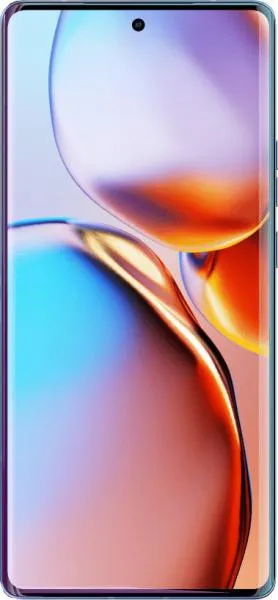

1. Specifications Comparison
| Feature | Motorola Edge 40 Pro | Samsung Galaxy Tab S9 FE+ | Practical Impact |
|---|---|---|---|
| Design | |||
| Dimensions (mm) | 161.2 x 74 x 8.6 | 285.4 x 185.4 x 6.5 | Edge 40 Pro is a typical smartphone size; Tab S9 FE+ is a large tablet. Portability differs significantly. |
| Weight (g) | 199 | 627 | Edge 40 Pro is much lighter and easier to hold for extended periods. Tab S9 FE+ is better suited for desk/lap use. |
| Build Material | Not specified | Not specified | Material impacts durability and premium feel; information lacking for both. |
| Display | |||
| Display Size | 6.67" | 12.4" | Tab S9 FE+ offers a significantly larger screen for media consumption and multitasking. |
| Resolution | 1080 x 2400 | 1600 x 2560 | Tab S9 FE+ has a higher resolution, but due to the larger size, the PPI is lower. Sharpness difference is negligible in practice. |
| Display Type | OLED, 165Hz | IPS LCD, 90Hz | Edge 40 Pro's OLED offers deeper blacks, better contrast, and smoother scrolling thanks to the higher refresh rate. Tab S9 FE+'s LCD may be brighter in direct sunlight. |
| Performance | |||
| Chipset | Snapdragon 8 Gen 2 | Exynos 1380 | Edge 40 Pro has a significantly more powerful processor, leading to much faster performance in demanding tasks and games. |
| RAM | 12GB | 8/12GB | Both offer ample RAM for multitasking, but the Edge 40 Pro's 12GB ensures smoother performance in heavy usage scenarios. We are comparing the 12GB version of the Tab S9 FE+. |
| Storage | 256/512GB | 128/256GB | Both offer various storage options, but Edge 40 Pro's 512GB option provides significantly more space for large files. We are comparing the 256GB versions. |
| Camera | |||
| Main Camera | 50MP, f/1.8 | 12MP, f/2.0 | Edge 40 Pro likely offers superior image quality with a higher resolution sensor and wider aperture, especially in low light. Missing sensor details for Tab S9 FE+ limit a definitive conclusion. |
| Video Recording | 8K@30fps, 4K@60fps | 4K@30fps | Edge 40 Pro offers much higher resolution and frame rate video recording capabilities. |
| Battery | |||
| Capacity | 4600mAh | 10090mAh | Tab S9 FE+ has over double the battery capacity, expected to last significantly longer. |
| Charging Speed | Not specified | Not specified | Lack of charging speed information limits comparison. |
2. Key Differences Analysis
Motorola Edge 40 Pro Advantages:
- Significantly more powerful: Snapdragon 8 Gen 2 provides superior performance for demanding tasks and gaming.
- Superior Display: OLED with 165Hz offers vibrant colors, deeper blacks, and smoother scrolling.
- Better Camera System: Higher resolution sensors and wider apertures likely result in better image quality and more versatile photography.
- More Compact: Easier to carry and use in one hand.
Samsung Galaxy Tab S9 FE+ Advantages:
- Much Larger Display: Ideal for media consumption, multitasking, and creative work.
- Significantly Longer Battery Life: 10090mAh battery provides extended usage time between charges.
3. User Profiles & Recommendations
Motorola Edge 40 Pro: Ideal for users who prioritize performance, a premium display, a high-quality camera, and pocketability. Best for:
- Power Users: Demanding apps, gaming, multitasking.
- Photography Enthusiasts: Capturing high-quality photos and videos.
- On-the-Go Users: Need a compact and powerful device.
Samsung Galaxy Tab S9 FE+: Ideal for users who prioritize a large display, long battery life, and portability larger than a phone but still compact enough for a bag. Best for:
- Media Consumers: Watching movies, reading, browsing.
- Students & Professionals: Note-taking, presentations, creative work.
- Users who prefer a tablet experience.
4. Decision Framework
Key Questions for Buyers:
- What is your primary use case? (e.g., gaming, media consumption, productivity)
- What is your budget? (Edge 40 Pro is high-priced; Tab S9 FE+ is mid-range)
- Do you prioritize portability or screen size?
My Choice: Motorola Edge 40 Pro
While the Samsung Galaxy Tab S9 FE+ offers a compelling large screen and long battery life, the Motorola Edge 40 Pro aligns better with my personal needs and preferences. I prioritize performance, a high-quality display, and a compact form factor. The Snapdragon 8 Gen 2, OLED display with 165Hz refresh rate, and advanced camera system offer a significantly better overall user experience for my daily use, which involves gaming, multitasking, and photography. The Tab S9 FE+ would be better suited for someone who prioritizes media consumption and creative tasks on a larger screen. I also value a phone that can easily fit in my pocket.
