1. Specifications Comparison
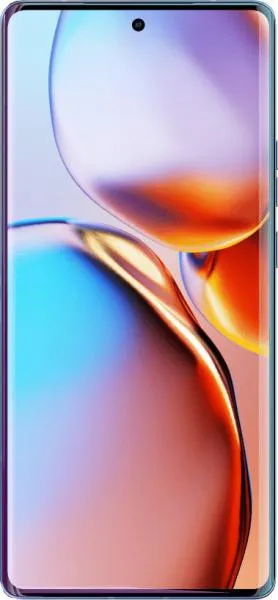
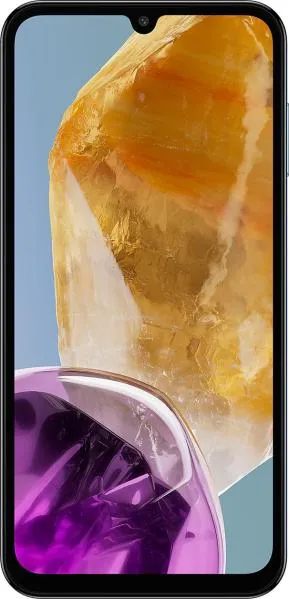
| Feature | Motorola Edge 40 Pro | Samsung Galaxy M15 | Practical Impact |
|---|---|---|---|
| Design | |||
| Dimensions (mm) | 161.2 x 74 x 8.6 | 160.1 x 76.8 x 9.3 | Edge 40 Pro is slightly thinner and shorter. |
| Weight (g) | 199 | 217 | Edge 40 Pro is noticeably lighter, improving one-handed use. |
| Build | Material information missing for both, limiting comparison. | ||
| Display | |||
| Display Type | OLED, 1B colors, 165Hz | Super AMOLED, 90Hz | Edge 40 Pro offers smoother animations and potentially better color accuracy with its higher refresh rate and color depth. |
| Display Size (inches) | 6.67 | 6.5 | Negligible size difference. |
| Resolution | 1080 x 2400 | 1080 x 2340 | Virtually identical sharpness. |
| Peak Brightness (nits) | 1300 | 800 | Edge 40 Pro will be significantly more visible in direct sunlight. |
| Performance | |||
| Chipset | Snapdragon 8 Gen 2 | Dimensity 6100+ | Edge 40 Pro boasts a significantly more powerful processor, leading to much faster performance in demanding tasks and games. |
| CPU | Octa-core (1x3.2 GHz Cortex-X3 & 2x2.8 GHz Cortex-A715 & 2x2.8 GHz Cortex-A710 & 3x2.0 GHz Cortex-A510) | Octa-core (2x2.2 GHz Cortex-A76 & 6x2.0 GHz Cortex-A55) | Edge 40 Pro has a more advanced CPU architecture, resulting in superior multi-tasking and overall responsiveness. |
| GPU | Adreno 740 | Mali-G57 MC2 | Edge 40 Pro's GPU is considerably more powerful, offering a superior gaming and graphics-intensive application experience. |
| RAM | 12GB | 6GB | Edge 40 Pro allows for more apps to run in the background without impacting performance. |
| Camera | |||
| Main Camera | 50MP, f/1.8 | 50MP, f/1.8 | Similar resolution, but sensor and image processing details are missing for the M15, hindering a thorough comparison. DXOMark score of 133 for the Edge 40 Pro suggests superior image quality. |
| Video Recording | Up to 8K@30fps | Up to 1080p@30fps | Edge 40 Pro offers significantly higher resolution video recording capabilities. |
| Battery | |||
| Capacity (mAh) | 4600 | 6000 | Galaxy M15 has a larger battery, potentially leading to longer battery life. However, real-world usage depends on optimization and the more power-hungry components of the Edge 40 Pro. |
| Charging Speed | Not specified | Not specified | Unable to compare charging speeds. |
2. Key Differences Analysis
Motorola Edge 40 Pro Advantages:
- Significantly higher performance: Snapdragon 8 Gen 2 offers a substantial leap in processing power, graphics rendering, and overall responsiveness compared to the Dimensity 6100+.
- Superior display: Higher refresh rate, brighter display, and 1B colors contribute to a smoother and more visually appealing user experience.
- Better camera system: Higher resolution video recording and a significantly higher DXOMark score indicate superior image and video quality. Though detailed sensor specs are missing for the M15.
Samsung Galaxy M15 Advantages:
- Larger battery capacity: Potentially longer battery life, although real-world usage can vary.
- Lower price: Positioned in the mid-range price segment, offering greater affordability.
Trade-offs:
- The Edge 40 Pro sacrifices battery capacity for a slimmer and lighter design.
- The Galaxy M15 compromises performance and display quality for a lower price point.
3. User Profiles & Recommendations
Motorola Edge 40 Pro: Ideal for users who prioritize performance, a premium display, and a high-quality camera. Suitable for demanding tasks like gaming, video editing, and multitasking.
Samsung Galaxy M15: Suitable for budget-conscious users who prioritize battery life and essential smartphone functionalities. Best for everyday tasks like browsing, social media, and light gaming. Not recommended for demanding users.
4. Decision Framework
Key Questions for Buyers:
- What is your budget? The Edge 40 Pro is significantly more expensive.
- What are your primary smartphone usage patterns? Demanding tasks benefit from the Edge 40 Pro's performance, while basic usage might not necessitate such power.
- How important are battery life, display quality, and camera performance? The M15 prioritizes battery, while the Edge 40 Pro excels in display and camera quality.
Scenario-Based Recommendations:
- Heavy gamer: Motorola Edge 40 Pro.
- Budget-conscious student: Samsung Galaxy M15.
- Professional photographer/videographer: Motorola Edge 40 Pro.
My Choice: Motorola Edge 40 Pro
While the Samsung Galaxy M15 offers a larger battery and a more affordable price, the Motorola Edge 40 Pro's significant advantages in performance, display, and camera make it the clear winner for me. I prioritize a smooth and responsive user experience, a vibrant display, and the ability to handle demanding tasks and high-quality media consumption. The slightly smaller battery is a trade-off I'm willing to make for the superior overall package offered by the Edge 40 Pro. The substantial difference in processing power (Snapdragon 8 Gen 2 vs. Dimensity 6100+) alone would heavily sway my decision.
