1. Specifications Comparison
| Feature | Motorola Edge 40 Pro | Samsung Galaxy A05 | Practical Impact |
|---|---|---|---|
| Design | |||
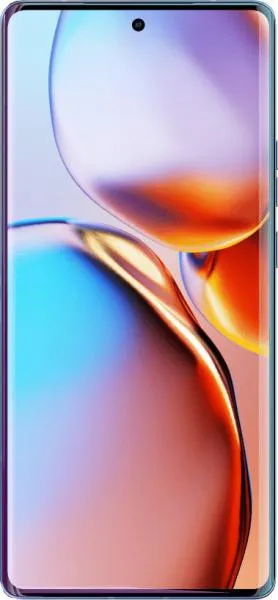
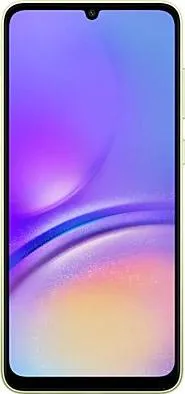
| Dimensions (mm) | 161.2 x 74 x 8.6 | 168.8 x 78.2 x 8.8 | The Motorola is slightly smaller and thinner, making it potentially more pocketable. |
| Weight (g) | 199 | 195 | Negligible weight difference; both feel similar in hand. |
| Build | (Information missing) | (Information missing) | Build materials impact durability and premium feel; information needed for comparison. |
| Display | |||
| Display Type | 6.67" OLED, 165Hz | 6.7" PLS LCD | The Motorola's OLED offers significantly better contrast, colors, and viewing angles, along with a smoother 165Hz refresh rate for fluid animations and scrolling. |
| Resolution | 1080 x 2400 | 720 x 1600 | The Motorola has a much sharper display, resulting in clearer text and images. |
| PPI | 394 | 262 | Motorola's higher pixel density contributes to sharper visuals. |
| Performance | |||
| Chipset | Snapdragon 8 Gen 2 | Helio G85 | The Snapdragon 8 Gen 2 is vastly more powerful, enabling significantly faster performance for demanding tasks, gaming, and multitasking. |
| CPU | Octa-core (up to 3.2 GHz) | Octa-core (up to 2.0 GHz) | The Motorola's CPU offers superior processing power for faster app loading, smoother multitasking, and better gaming performance. |
| RAM | 12GB | 4GB/6GB | The Motorola's larger RAM allows for more apps to run in the background without performance slowdown. |
| Camera | |||
| Main Camera | 50MP, OIS | 50MP | While both have the same megapixel count, the Motorola likely has a larger sensor and OIS (Optical Image Stabilization), leading to potentially better low-light performance and sharper images. More sensor details are needed for the A05. |
| Video Recording | Up to 8K@30fps | Up to 1080p@60fps | Motorola offers significantly higher video resolution and frame rate options for more detailed and smoother videos. |
| Battery | |||
| Capacity | 4600 mAh | 5000 mAh | While the Samsung has a larger battery capacity, the Motorola's more efficient processor could potentially result in similar battery life. Real-world usage will vary. |
2. Key Differences Analysis
Motorola Edge 40 Pro Advantages:
- Significantly more powerful: The Snapdragon 8 Gen 2 provides a massive performance advantage for demanding tasks and gaming.
- Superior display: The OLED screen offers vibrant colors, deep blacks, and a high refresh rate for a smoother visual experience.
- Higher-end camera features: OIS, higher resolution video recording capabilities, and potentially a larger sensor suggest better overall camera performance.
Samsung Galaxy A05 Advantages:
- Larger battery capacity: The 5000 mAh battery might offer longer battery life, but real-world usage depends on other factors.
- Lower price: The Galaxy A05 is significantly more affordable.
Trade-offs:
- Performance vs. Price: The Motorola offers flagship performance but at a premium price. The A05 is budget-friendly but sacrifices performance significantly.
3. User Profiles & Recommendations
Motorola Edge 40 Pro: Ideal for users who demand top-tier performance, a premium display, and excellent camera capabilities. Suitable for power users, gamers, and content creators.
Samsung Galaxy A05: Best suited for budget-conscious users who prioritize basic functionality, long battery life, and affordability over high performance. Ideal for casual users who primarily use their phone for communication, social media, and light browsing.
4. Decision Framework
Key Questions:
- What is your budget? The price difference is substantial.
- What level of performance do you need? For demanding tasks, the Motorola is significantly better.
- How important is display quality? The Motorola's OLED screen is a major advantage.
Scenario-Based Recommendations:
- Limited budget, basic needs: Samsung Galaxy A05
- Demand performance and premium features: Motorola Edge 40 Pro
My Choice: Motorola Edge 40 Pro
While significantly more expensive, the Motorola Edge 40 Pro offers a vastly superior user experience across the board. The Snapdragon 8 Gen 2, combined with the 12GB RAM and the beautiful 165Hz OLED display, ensures a smooth and responsive experience for any task. The camera system also promises better image quality and more versatile video recording options. While the Samsung Galaxy A05 provides good value for its price, the performance gap is too significant to ignore for my personal needs. I prioritize a fluid, responsive user experience and am willing to invest in a device that delivers that. The long-term value of a more powerful device also factors into my decision.
