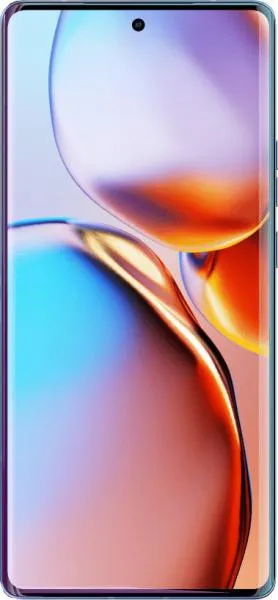
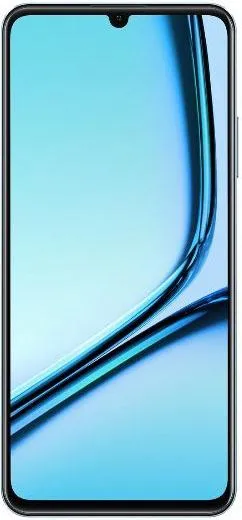
1. Specifications Comparison
| Feature | Motorola Edge 40 Pro | Realme Note 50 | Practical Impact |
|---|---|---|---|
| Design | |||
| Dimensions (mm) | 161.2 x 74 x 8.6 | 167.2 x 76.7 x 8 | Edge 40 Pro is slightly smaller and thinner. |
| Weight (g) | 199 | 186 | Realme Note 50 is noticeably lighter. |
| Build | Missing | Missing | Build quality and materials cannot be compared. |
| Display | |||
| Display Type | 6.67" OLED, 165Hz | 6.74" IPS LCD, 90Hz | Edge 40 Pro offers smoother animations, richer blacks, and potentially brighter highlights due to OLED technology and higher refresh rate. Realme Note 50's LCD might be visible in direct sunlight. |
| Resolution | 1080 x 2400 (394 ppi) | 720 x 1600 (260 ppi) | Edge 40 Pro has a significantly sharper display. Realme Note 50's lower resolution might result in pixelation. |
| HDR | HDR10+, Dolby Vision | None | Edge 40 Pro supports HDR content, resulting in a wider dynamic range and more vibrant colors in supported videos. |
| Performance | |||
| Chipset | Snapdragon 8 Gen 2 (4nm) | Unisoc Tiger T612 (12nm) | Edge 40 Pro offers significantly faster processing, smoother multitasking, and better gaming performance. |
| CPU | Octa-core (up to 3.2 GHz) | Octa-core (up to 1.8 GHz) | Edge 40 Pro boasts considerably higher clock speeds for demanding tasks. |
| GPU | Adreno 740 | Mali-G57 | Edge 40 Pro's GPU provides a superior gaming and graphics rendering experience. |
| RAM | 12GB | 4GB | Edge 40 Pro enables more apps to run in the background and smoother multitasking. |
| Camera | |||
| Main Camera | 50MP, f/1.8, OIS | 13MP, f/2.2 | Edge 40 Pro offers higher resolution, potentially better low-light performance, and optical image stabilization for sharper images and videos. |
| Video Recording | Up to 8K@30fps | Up to 1080p@30fps | Edge 40 Pro offers much higher resolution video recording capabilities. |
| Battery | |||
| Capacity | 4600 mAh | 5000 mAh | Realme Note 50 has a slightly larger battery capacity, but real-world battery life depends on optimization and usage. Edge 40 Pro's more power-efficient chipset could offset the capacity difference. |
| Charging Speed | Missing | Missing | Charging speeds cannot be compared without further information. |
2. Key Differences Analysis
Motorola Edge 40 Pro Advantages:
- Significantly superior performance: Snapdragon 8 Gen 2 provides a flagship-level experience.
- High-quality display: OLED with 165Hz refresh rate offers vibrant colors and smooth animations.
- Advanced camera system: Higher resolution sensors, OIS, and 8K video recording.
Realme Note 50 Advantages:
- Lower price: Positioned in the low price range, making it more accessible.
- Slightly larger battery: Potentially longer battery life, although real-world usage will vary.
- Lighter weight: More comfortable for extended use.
Trade-offs:
- Realme Note 50: Sacrifices performance, display quality, and camera features for affordability.
- Motorola Edge 40 Pro: Higher price for premium features.
3. User Profiles & Recommendations
Motorola Edge 40 Pro: Ideal for users who prioritize performance, a high-quality display, and advanced camera features. Suitable for demanding tasks like gaming, content creation, and media consumption.
Realme Note 50: Best suited for budget-conscious users who primarily use their phone for basic tasks like calling, texting, browsing, and social media.
4. Decision Framework
Key Questions:
- What is your budget? The Edge 40 Pro is significantly more expensive.
- What are your primary phone usage patterns? Demanding tasks necessitate the Edge 40 Pro's power.
- Which features are most important to you? Prioritize performance, display, or camera quality versus affordability.
Scenario-based Recommendations:
- Gamer: Motorola Edge 40 Pro for its powerful processor and smooth display.
- Photographer/Videographer: Motorola Edge 40 Pro for its advanced camera system.
- Budget-conscious user: Realme Note 50 for basic communication and web browsing.
My Choice: Motorola Edge 40 Pro
While the Realme Note 50 offers a lower price and slightly larger battery, the Motorola Edge 40 Pro provides a vastly superior overall experience. The Snapdragon 8 Gen 2, high refresh rate OLED display, and advanced camera system are compelling features that justify the higher price. As someone who values performance, a smooth user experience, and a great camera, the Edge 40 Pro is the clear winner for me. The difference in price reflects a significant jump in quality and capabilities that would greatly enhance my daily usage.
