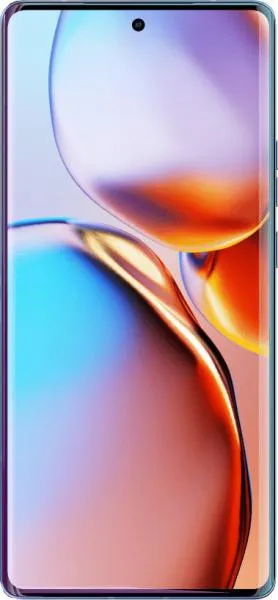
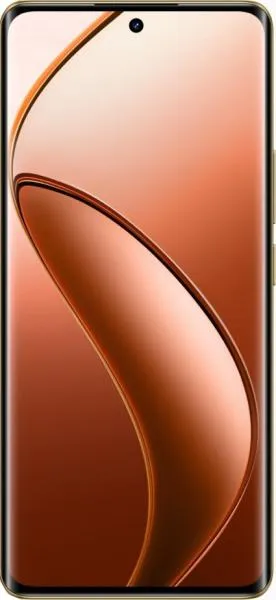
1. Specifications Comparison
| Feature | Motorola Edge 40 Pro | Realme 12 Pro+ | Practical Impact |
|---|---|---|---|
| Design | |||
| Dimensions (mm) | 161.2 x 74 x 8.6 | 161.5 x 74 x 8.8 | Realme 12 Pro+ is slightly thicker. Negligible difference in everyday use. |
| Weight (g) | 199 | 196 | Virtually identical weight; no noticeable difference in hand. |
| Display | |||
| Display Type | OLED | AMOLED | Both offer excellent contrast and vibrant colors. |
| Display Size (inches) | 6.67 | 6.7 | Negligible size difference. |
| Resolution | 1080 x 2400 | 1080 x 2412 | Nearly identical resolution; sharpness will be similar. |
| Refresh Rate (Hz) | 165 | 120 | Motorola offers smoother scrolling and animations. Noticeable difference in fast-paced games. |
| Peak Brightness (nits) | 1300 | 950 | Motorola's display will be significantly brighter outdoors. |
| Performance | |||
| Chipset | Snapdragon 8 Gen 2 | Snapdragon 7s Gen 2 | Motorola offers significantly faster CPU and GPU performance for demanding tasks and gaming. |
| CPU | Octa-core (1x3.2 GHz Cortex-X3 & 2x2.8 GHz Cortex-A715 & 2x2.8 GHz Cortex-A710 & 3x2.0 GHz Cortex-A510) | Octa-core (4x2.40 GHz Cortex-A78 & 4x1.95 GHz Cortex-A55) | Motorola's CPU architecture provides a substantial performance advantage in multitasking and demanding applications. |
| RAM (GB) | 12 | 8 (up to 12 in some versions) | More RAM on the Motorola allows for smoother multitasking and keeping more apps open in the background. |
| Camera | |||
| Main Camera (MP) | 50 (OV50A) | 50 (IMX890) | Both use high-quality sensors; image quality differences will likely depend on software processing. |
| Telephoto Lens | 12 MP (2x Optical) | 64 MP (3x Optical) | Realme offers higher resolution and longer optical zoom. |
| Ultrawide | 50 MP | 8 MP | Motorola offers a significantly higher resolution ultrawide camera. |
| Video Recording | Up to 8K@30fps | Up to 4K@30fps | Motorola supports higher resolution video recording. |
| Battery | |||
| Capacity (mAh) | 4600 | 5000 | Realme offers a larger battery capacity, potentially resulting in longer battery life. |
| Charging Speed | Not specified | Not specified | Cannot compare charging speeds without specific data. |
2. Key Differences Analysis
Motorola Edge 40 Pro Advantages:
- Significantly more powerful: Snapdragon 8 Gen 2 provides a substantial performance lead over the Snapdragon 7s Gen 2.
- Higher refresh rate display: Smoother scrolling and more responsive gaming experience.
- Brighter display: Better visibility in direct sunlight.
- Higher resolution ultrawide camera: Captures more detail in wide shots.
- Higher resolution video recording: Enables 8K video capture.
Realme 12 Pro+ Advantages:
- Larger battery capacity: Potentially longer battery life.
- Longer optical zoom: More versatile telephoto camera for capturing distant subjects.
- Lower price: Offers a more budget-friendly option.
Trade-offs:
- Performance vs. Price: Motorola offers significantly better performance but at a premium price. Realme compromises on performance for affordability.
3. User Profiles & Recommendations
Motorola Edge 40 Pro: Ideal for power users, gamers, and those who prioritize performance and a premium display. Excellent for demanding tasks, multitasking, and content consumption.
Realme 12 Pro+: Suitable for budget-conscious users who prioritize battery life and camera versatility. Good for everyday tasks, social media, and casual photography.
4. Decision Framework
Key Questions for Buyers:
- What is your budget? The Motorola is a high-priced device, while the Realme offers better value for its price.
- What are your performance needs? If you require top-tier performance for gaming or demanding tasks, the Motorola is the clear winner.
- How important is battery life and camera zoom? If these are your priorities, the Realme is a strong contender.
My Choice: Motorola Edge 40 Pro
While the Realme 12 Pro+ offers a compelling price-to-value ratio, I would choose the Motorola Edge 40 Pro. The significant performance difference due to the Snapdragon 8 Gen 2 is crucial for my usage. I prioritize a smooth and responsive user experience, which the 165Hz display and powerful chipset deliver. The brighter display is also important for outdoor use. While the Realme has a larger battery and longer optical zoom, these advantages don't outweigh the superior overall performance and user experience offered by the Motorola. The higher resolution ultrawide lens on the Motorola is also a significant factor in my decision. I am willing to pay the premium for the noticeable improvements in performance and display quality.
