1. Specifications Comparison
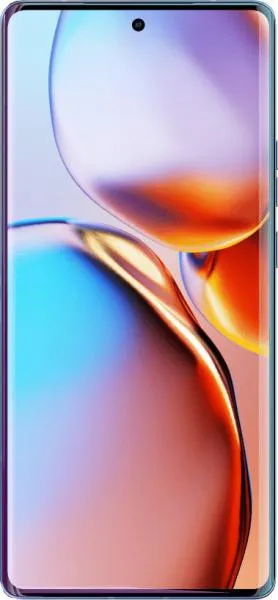
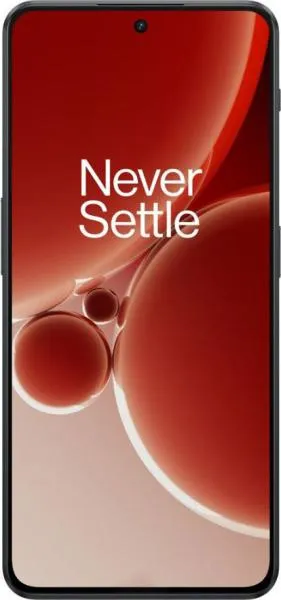
| Feature | Motorola Edge 40 Pro | OnePlus Nord 3 | Practical Impact |
|---|---|---|---|
| Design | |||
| Dimensions (mm) | 161.2 x 74 x 8.6 | 162 x 75.1 x 8.2 | Edge 40 Pro is slightly smaller and thinner. |
| Weight (g) | 199 | 193.5 | Negligible weight difference in real-world usage. |
| Build | Build materials not specified - impacts durability and premium feel. | ||
| Display | |||
| Size (inches) | 6.67 | 6.74 | Nord 3 has a slightly larger screen. |
| Resolution | 1080 x 2400 | 1240 x 2772 | Nord 3 has a sharper display (higher pixel density - 451 vs 394 ppi), resulting in crisper text and images. |
| Type | OLED, 165Hz | AMOLED, 120Hz | Both offer vibrant colors and deep blacks. Edge 40 Pro's higher refresh rate provides smoother animations and scrolling. |
| Peak Brightness | 1300 nits | 1450 nits | Nord 3 should be slightly more visible in direct sunlight. |
| Performance | |||
| Chipset | Snapdragon 8 Gen 2 | Dimensity 9000 | Both are high-performance chipsets, but Snapdragon 8 Gen 2 generally benchmarks higher in graphics and AI tasks. |
| CPU | Octa-core (up to 3.2 GHz) | Octa-core (up to 3.05 GHz) | Edge 40 Pro likely has a slight edge in CPU performance due to the faster prime core. |
| GPU | Adreno 740 | Mali-G710 MC10 | Adreno 740 generally offers better gaming performance. |
| RAM | 12GB | 8/16GB | More RAM in the Edge 40 Pro enables better multitasking and app switching. |
| Camera | |||
| Main Camera | 50MP, f/1.8, OIS | 50MP, f/1.8, OIS | Both have similar main camera specifications on paper. Real-world image quality depends on processing. |
| Ultrawide | 50MP, f/2.2 | 8MP, f/2.2 | Edge 40 Pro has a significantly higher resolution ultrawide camera, capturing more detail. |
| Telephoto | 12MP, f/1.6 | 2MP Macro, f/2.4 | Edge 40 Pro has a dedicated telephoto lens for optical zoom, while Nord 3 only offers a low-resolution macro lens. |
| Video | Up to 8K@30fps | Up to 4K@60fps | Edge 40 Pro supports higher resolution video recording. |
| Battery | |||
| Capacity | 4600 mAh | 5000 mAh | Nord 3 has a larger battery, potentially offering longer battery life. |
| Charging Speed | Not specified | Not specified | Charging speed significantly impacts usability, but information is missing. |
2. Key Differences Analysis
Motorola Edge 40 Pro Advantages:
- Higher-end chipset: The Snapdragon 8 Gen 2 offers better peak performance, particularly in graphics-intensive tasks and AI processing.
- Superior display refresh rate: 165Hz offers smoother scrolling and animations.
- More versatile camera system: Higher resolution ultrawide and dedicated telephoto lens offer more flexibility.
- Higher resolution video recording: Supports up to 8K video.
OnePlus Nord 3 Advantages:
- Larger battery: 5000 mAh potentially translates to longer battery life.
- Sharper display: Higher pixel density for crisper visuals.
- Lower price: Positioned in the mid-range price segment.
3. User Profiles & Recommendations
Motorola Edge 40 Pro: Ideal for users who prioritize performance, a smooth display, a versatile camera system, and are willing to pay a premium. Use cases include demanding mobile gaming, content creation (photography and videography), and multitasking.
OnePlus Nord 3: Suitable for users seeking a balance of performance, battery life, and a sharp display at a more affordable price. Use cases include everyday tasks, social media, web browsing, and casual gaming.
4. Decision Framework
Key Questions for Buyers:
- What is your budget? The Edge 40 Pro is significantly more expensive.
- What are your performance needs? For demanding tasks, the Edge 40 Pro's Snapdragon 8 Gen 2 offers a clear advantage.
- How important is camera quality and versatility? The Edge 40 Pro has a superior camera setup.
My Choice: Motorola Edge 40 Pro
While the OnePlus Nord 3 offers excellent value, the Motorola Edge 40 Pro's superior performance, smoother display, and more versatile camera system are compelling. The Snapdragon 8 Gen 2 provides future-proofing for demanding applications and games. The 165Hz display noticeably enhances the user experience. While battery life might be slightly shorter, the performance and camera advantages outweigh this for my usage. I prioritize a smooth and responsive experience with high-quality imaging capabilities. The higher price is justified for the significant upgrade in performance and features.
