1. Specifications Comparison
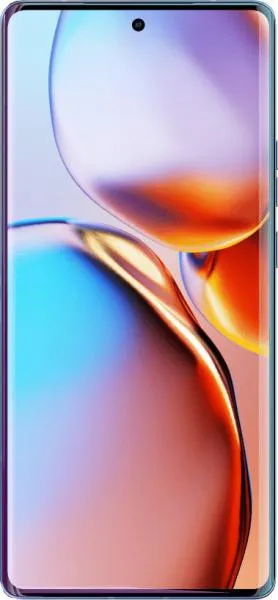
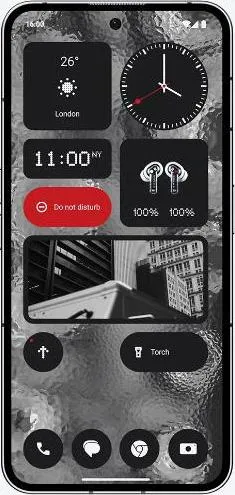
| Feature | Motorola Edge 40 Pro | Nothing Phone (2) | Practical Impact |
|---|---|---|---|
| Design | |||
| Dimensions (mm) | 161.2 x 74 x 8.6 | 162.1 x 76.4 x 8.6 | Virtually identical in size and thickness. |
| Weight (g) | 199 | 201.2 | Negligible weight difference in hand. |
| Build | Build materials not specified, limiting comparison. | ||
| Display | |||
| Display Type | OLED | LTPO OLED | Both offer vibrant colors and deep blacks; LTPO allows for dynamic refresh rate, potentially saving battery. |
| Display Size (inches) | 6.67 | 6.7 | Negligible size difference. |
| Resolution | 1080 x 2400 | 1080 x 2412 | Nearly identical resolution, resulting in similar sharpness. |
| Refresh Rate (Hz) | 165 | 120 | Smoother animations and scrolling on the Edge 40 Pro, especially noticeable in gaming. |
| Peak Brightness (nits) | 1300 | 1600 | Nothing Phone (2) will be significantly brighter outdoors. |
| Performance | |||
| Chipset | Snapdragon 8 Gen 2 | Snapdragon 8+ Gen 1 | Edge 40 Pro has a newer, more powerful processor, leading to better performance in demanding tasks and potentially better efficiency. |
| CPU | Octa-core (1x3.2 GHz Cortex-X3 & 2x2.8 GHz Cortex-A715 & 2x2.8 GHz Cortex-A710 & 3x2.0 GHz Cortex-A510) | Octa-core (1x3.0 GHz Cortex-X2 & 3x2.5 GHz Cortex-A710 & 4x1.80 GHz Cortex-A510) | Edge 40 Pro boasts a faster prime core and newer architecture, translating to a performance advantage. |
| GPU | Adreno 740 | Adreno 730 | Edge 40 Pro's GPU should offer better gaming performance. |
| RAM (GB) | 12 | 8/12 (dependent on version) | 12GB RAM variant of both phones provides excellent multitasking, but base Nothing Phone (2) might experience limitations with 8GB. |
| Camera | |||
| Main Camera (MP) | 50 (Omnivision OV50A) | 50 (Sony IMX890) | Both high-resolution sensors; image quality will depend on processing. Sony sensor generally well-regarded. |
| Ultrawide (MP) | 50 | 50 | Similar resolution; practical difference will lie in lens quality and distortion correction. |
| Telephoto (MP) | 12 (Sony IMX663) | None | Edge 40 Pro offers optical zoom for better image quality at longer distances; Nothing Phone 2 relies on digital zoom. |
| Selfie (MP) | 60 | 32 | Higher resolution on the Edge 40 Pro, but selfie quality depends on factors beyond megapixels. |
| Video Recording | Up to 8K@30fps | Up to 4K@60fps | Edge 40 Pro offers higher resolution video recording, but 4K@60fps is sufficient for most users. |
| Battery | |||
| Capacity (mAh) | 4600 | 4700 | Slightly larger battery in the Nothing Phone (2), but real-world battery life depends heavily on optimization and usage patterns. |
| Charging Speed | Not specified | Not specified | Charging speed comparison not possible without specific details. |
2. Key Differences Analysis
Motorola Edge 40 Pro Advantages:
- Superior Performance: Newer and faster processor and GPU.
- Higher Refresh Rate Display: Smoother user experience.
- Dedicated Telephoto Lens: Optical zoom capability.
- Higher Resolution Video Recording: 8K recording option.
- Potentially better software support: Motorola has committed to longer OS upgrades for this model.
Nothing Phone (2) Advantages:
- Brighter Display: Better visibility in direct sunlight.
- Slightly Larger Battery: Potential for longer battery life (dependent on optimization).
- Lower Price: Offers competitive features at a more affordable price point.
- Unique Design: The Glyph Interface offers a distinctive visual element and notification system.
Trade-offs:
- Performance vs. Price: The Edge 40 Pro provides superior performance but at a higher price.
- Refresh Rate vs. Battery Life: The higher refresh rate of the Edge 40 Pro may impact battery life compared to the dynamic refresh rate of the Nothing Phone (2).
3. User Profiles & Recommendations
Motorola Edge 40 Pro: Ideal for users who prioritize performance, smooth display, and camera versatility, especially those who value optical zoom and high-resolution video recording. Suitable for demanding tasks like gaming, video editing, and multitasking.
Nothing Phone (2): Ideal for users seeking a stylish phone with a unique design and good overall performance at a more affordable price. Suitable for everyday tasks, social media, and content consumption. Good choice for users who prioritize battery life and outdoor visibility.
4. Decision Framework
Key Questions for Buyers:
- What is your budget? The Edge 40 Pro is significantly more expensive.
- What are your performance needs? For demanding tasks and gaming, the Edge 40 Pro is superior.
- What features are most important to you? Consider camera zoom, display brightness, battery life, and unique design elements.
Scenario-Based Recommendations:
- Heavy gamer: Motorola Edge 40 Pro
- Budget-conscious user: Nothing Phone (2)
- Photography enthusiast who values zoom: Motorola Edge 40 Pro
- User who needs a bright display for outdoor use: Nothing Phone (2)
My Choice: Motorola Edge 40 Pro
While the Nothing Phone (2) offers a compelling package with its unique design and competitive price, I would choose the Motorola Edge 40 Pro. The superior performance offered by the Snapdragon 8 Gen 2, coupled with the smoother 165Hz display and the dedicated telephoto lens, significantly enhances the overall user experience. The slightly higher price is justified for the noticeable improvements in key areas. I value the performance headroom for future-proofing, the versatility of the camera system, and the responsiveness of a high refresh rate display. While the Nothing Phone (2)'s brighter display is attractive, it doesn't outweigh the performance and feature advantages of the Edge 40 Pro for my personal needs.
