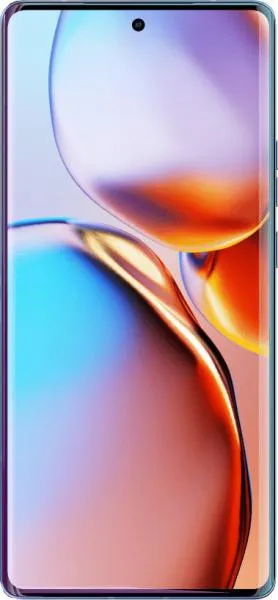
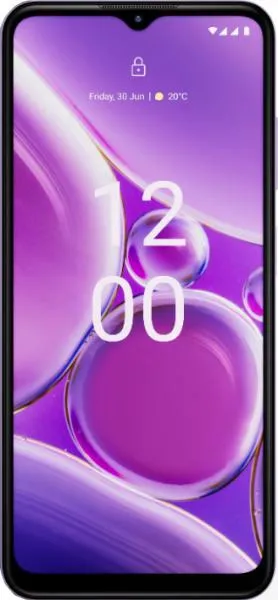
1. Specifications Comparison
| Feature | Motorola Edge 40 Pro | Nokia G42 | Practical Impact |
|---|---|---|---|
| Design | |||
| Dimensions (mm) | 161.2 x 74 x 8.6 | 165 x 75.8 x 8.6 | Nearly identical in size, though the Motorola might feel slightly more compact. |
| Weight (g) | 199 | 193.8 | Negligible weight difference in practical use. |
| Build | (Information not provided) | (Information not provided) | Build quality impacts durability and premium feel, but cannot be assessed here. |
| Display | |||
| Display Type | 6.67" OLED, 1B colors, 165Hz | 6.56" IPS LCD, 90Hz | The Motorola offers significantly better contrast, colors, and smoother scrolling due to OLED technology and higher refresh rate. |
| Resolution | 1080 x 2400 (394 ppi) | 720 x 1612 (269 ppi) | The Motorola's display is sharper and more detailed. The Nokia's lower resolution will be noticeable in everyday use. |
| Brightness | 1300 nits (peak) | 560 nits (peak) | The Motorola will be much more visible in direct sunlight. |
| Performance | |||
| Chipset | Snapdragon 8 Gen 2 | Snapdragon 480+ 5G | The Motorola boasts a flagship processor, resulting in dramatically faster performance, smoother multitasking, and better gaming capabilities. |
| CPU | Octa-core (up to 3.2 GHz) | Octa-core (up to 2.2 GHz) | The Motorola's CPU offers significantly higher clock speeds, translating to a noticeably quicker and more responsive user experience. |
| GPU | Adreno 740 | Adreno 619 | The Motorola's superior GPU will deliver much smoother graphics and better gaming performance. |
| RAM | 12GB | 4GB/6GB/8GB | The Motorola's larger RAM enables superior multitasking and smoother performance with demanding applications. |
| Camera | |||
| Main Camera | 50MP, OIS | 50MP | While both have the same megapixel count, the Motorola likely uses a higher quality sensor and includes Optical Image Stabilization (OIS) for sharper images, especially in low light. |
| Video Recording | Up to 8K@30fps | Up to 1080p@30fps | The Motorola offers significantly higher resolution video recording capabilities. |
| Battery | |||
| Capacity | 4600 mAh | 5000 mAh | The Nokia has a slightly larger battery capacity, but the Motorola's more power-efficient processor could result in comparable battery life. Real-world usage will vary. |
2. Key Differences Analysis
Motorola Edge 40 Pro Advantages:
- Flagship Performance: Significantly faster and more responsive due to the Snapdragon 8 Gen 2.
- Superior Display: OLED technology offers vibrant colors, deep blacks, and a higher refresh rate for smoother scrolling and gaming.
- Better Camera System: Expected to produce better quality photos and videos due to OIS and potentially superior sensor technology.
- Faster Charging: (Charging speeds not specified for either phone, but flagship phones often include faster charging).
Nokia G42 Advantages:
- Larger Battery Capacity: Potentially longer battery life, but real-world results depend on usage and optimization.
- Lower Price: Significantly more affordable.
- Potentially Easier to Repair: Nokia promotes the repairability of the G42.
3. User Profiles & Recommendations
Motorola Edge 40 Pro: Users who prioritize performance, a premium display, a high-quality camera, and are willing to pay a premium price. Ideal for demanding tasks, gaming, and media consumption.
Nokia G42: Budget-conscious users who prioritize battery life and basic functionality. Suitable for everyday tasks like calling, texting, browsing, and social media.
4. Decision Framework
Key Questions for Buyers:
- What is your budget? The Motorola is a high-priced flagship, while the Nokia is a mid-range budget option.
- What are your performance needs? For demanding tasks and gaming, the Motorola is far superior.
- How important is display quality? The Motorola's OLED display offers a significant advantage in visual experience.
My Choice: Motorola Edge 40 Pro
While the Nokia G42 offers good value for its price, the Motorola Edge 40 Pro is the clear winner for me. The superior performance, stunning display, and advanced camera system are crucial features I value in a smartphone. The Snapdragon 8 Gen 2 ensures a smooth and responsive experience, while the OLED display delivers vibrant visuals. While the price is higher, the significant upgrade in overall quality and user experience justifies the premium for my needs. I prioritize performance and a high-quality display, and I am willing to invest in a device that excels in these areas. The potential for better camera quality and faster charging further solidifies my choice.
