1. Specifications Comparison
| Feature | Motorola Edge 40 Pro | Motorola Razr 50 | Practical Impact |
|---|---|---|---|
| Design | |||
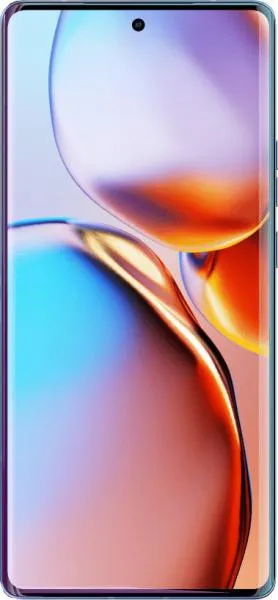
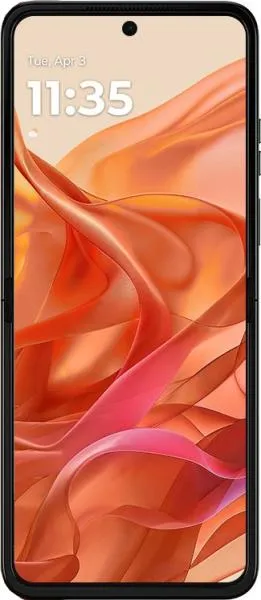
| Dimensions (mm) | 161.2 x 74 x 8.6 | 171.3 x 74 x 7.3 | Razr 50 is taller and thinner due to its foldable design. Edge 40 Pro is slightly thicker but shorter. Foldability offers portability but can introduce durability concerns. |
| Weight (g) | 199 | 188.4 | Razr 50 is slightly lighter despite larger display, likely due to thinner build. Negligible difference in daily use. |
| Foldable | No | Yes | Razr 50's foldable design allows for compact storage and a unique form factor, while the Edge 40 Pro offers a traditional slab phone experience. |
| Display | |||
| Display Size (inches) | 6.67 | 6.9 | Razr 50 offers a slightly larger screen size. |
| Resolution (px) | 1080 x 2400 | 1080 x 2640 | Razr 50 has a slightly taller aspect ratio and higher resolution, resulting in marginally sharper visuals. Difference unlikely noticeable in everyday use. |
| Display Type | OLED, 165Hz | Foldable LTPO AMOLED, 120Hz | Both are high-quality displays. Edge 40 Pro's 165Hz offers smoother animations and scrolling, beneficial for gaming. Razr 50's LTPO panel allows for variable refresh rate, potentially saving battery. Foldable displays might have a crease down the middle. |
| Peak Brightness (nits) | 1300 | 3000 | Razr 50's significantly higher peak brightness ensures better visibility outdoors. |
| Performance | |||
| Chipset | Snapdragon 8 Gen 2 | Dimensity 7300X | Edge 40 Pro features a flagship chipset, offering significantly higher performance in demanding tasks like gaming and multitasking compared to Razr 50's mid-range processor. |
| CPU | Octa-core (1x3.2 GHz Cortex-X3 & 2x2.8 GHz Cortex-A715 & 2x2.8 GHz Cortex-A710 & 3x2.0 GHz Cortex-A510) | Octa-core (4x2.5 GHz Cortex-A78 & 4x2.0 GHz Cortex-A55) | Edge 40 Pro's CPU has a more powerful core configuration, leading to faster processing speeds. |
| GPU | Adreno 740 | Mali-G615 MC2 | Edge 40 Pro's GPU is considerably more powerful, resulting in superior gaming performance and smoother graphics rendering. |
| RAM (GB) | 12 | 8/12 (depending on version) | Edge 40 Pro's reviewed version offers more RAM, enabling better multitasking and app switching. However, the Razr 50 does offer a 12GB RAM variant. |
| Camera | |||
| Main Camera (MP) | 50 | 50 | Similar megapixel count, but sensor quality and image processing significantly impact actual image quality. Specific sensor details lacking for Razr 50 make detailed comparison difficult. |
| Video Recording | Up to 8K@30fps | Up to 4K@30fps | Edge 40 Pro supports higher resolution video recording. |
| Battery | |||
| Capacity (mAh) | 4600 | 4200 | Edge 40 Pro has a larger battery capacity, potentially offering longer battery life. However, real-world usage varies greatly depending on factors like display usage and processing demands. Razr 50's smaller battery might be impacted by the dual displays. |
| Other | |||
| OS | Android 13 | Android 14 | Razr 50 ships with a newer Android version out of the box, offering potential feature and security advantages. Both are likely to receive future updates, but the extent and duration are unknown. |
| Price Range | High | Medium | Edge 40 Pro is a more expensive flagship device, while Razr 50 offers a more accessible price point. |
2. Key Differences Analysis
Motorola Edge 40 Pro Advantages:
- Superior Performance: Significantly faster processor and GPU for demanding tasks and gaming.
- Higher Resolution Video Recording: Capable of recording 8K video.
- Larger Battery: Potentially longer battery life.
- Smoother Display: 165Hz refresh rate for fluid animations.
Motorola Razr 50 Advantages:
- Foldable Design: Unique form factor, compact portability.
- Brighter Display: Much brighter display for excellent outdoor visibility.
- More Affordable: Lower price point for budget-conscious buyers.
- Newer Android Version: Ships with Android 14.
Trade-offs:
- Razr 50: Sacrifices performance and battery life for its foldable design and lower price.
- Edge 40 Pro: Higher price for flagship performance and features. Lacks the unique form factor of a foldable.
3. User Profiles & Recommendations
Motorola Edge 40 Pro: Ideal for users who prioritize performance, long battery life, a smooth display, and high-quality content creation (especially video). Suitable for power users, gamers, and content creators.
Motorola Razr 50: Best suited for users who value portability and a unique, stylish design above raw performance. Appeals to users who want a compact phone that stands out. Good for casual users who prioritize style and portability.
4. Decision Framework
Key Questions for Buyers:
- What is your budget? The Edge 40 Pro is significantly more expensive.
- Do you prioritize performance or portability? The Edge 40 Pro excels in performance, while the Razr 50 prioritizes portability.
- How important is a cutting-edge design? The Razr 50's foldable design is unique and compact.
My Choice: Motorola Edge 40 Pro
While the Razr 50's foldable design is intriguing, I prioritize performance and a smooth user experience. The Edge 40 Pro's Snapdragon 8 Gen 2, coupled with the 165Hz display, promises a significantly better experience for demanding tasks, gaming, and content consumption. The larger battery and higher resolution video recording capabilities further solidify its appeal for my usage patterns. I am willing to pay the premium for the significantly improved performance and features. While the Razr 50's higher peak brightness is attractive, the overall performance difference is too significant for me to overlook.
