1. Specifications Comparison
| Feature | Motorola Edge 40 Pro | Motorola Moto G Stylus 5G (2024) | Practical Impact |
|---|---|---|---|
| Design | |||
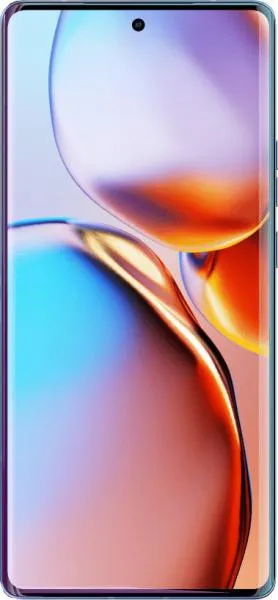
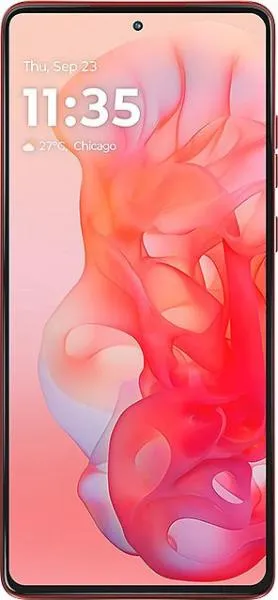
| Dimensions (mm) | 161.2 x 74 x 8.6 | 162.6 x 74.8 x 8.3 | Edge 40 Pro is slightly shorter and thinner. Negligible difference in daily use. |
| Weight (g) | 199 | 190 | Moto G Stylus is slightly lighter but the difference is minimal. |
| Build | Material information missing for both. Can't compare durability or premium feel. | ||
| Display | |||
| Display Type | OLED | P-OLED | Both offer vibrant colors and deep blacks. |
| Display Size (inches) | 6.67 | 6.7 | Virtually identical screen sizes. |
| Resolution | 1080 x 2400 | 1080 x 2400 | Same resolution, resulting in similar sharpness. |
| Refresh Rate (Hz) | 165 | 120 | Edge 40 Pro offers smoother scrolling and animations due to the higher refresh rate. Noticeable in fast-paced games and UI interactions. |
| Peak Brightness (nits) | 1300 | 1200 | Edge 40 Pro should be slightly more visible in direct sunlight. |
| HDR | HDR10+, Dolby Vision | No HDR Support Listed | Edge 40 Pro will offer significantly better dynamic range and color accuracy in supported content like movies and streaming services. |
| Performance | |||
| Chipset | Snapdragon 8 Gen 2 | Snapdragon 6 Gen 1 | Edge 40 Pro boasts a flagship processor, significantly outperforming the Moto G Stylus in demanding tasks, multitasking, and gaming. |
| CPU | Octa-core (1x3.2 GHz Cortex-X3 & 2x2.8 GHz Cortex-A715 & 2x2.8 GHz Cortex-A710 & 3x2.0 GHz Cortex-A510) | Octa-core (4x2.2 GHz Cortex-A78 & 4x1.8 GHz Cortex-A55) | Edge 40 Pro's CPU offers superior performance across the board, especially in single-core tasks. |
| GPU | Adreno 740 | Adreno 710 | Edge 40 Pro offers a much more powerful GPU, resulting in significantly better gaming performance and graphics rendering. |
| RAM | 12GB | 8GB | Edge 40 Pro allows for more apps to run in the background and smoother multitasking. |
| Camera | |||
| Main Camera | 50MP, f/1.8, OIS | 50MP, f/1.8, OIS | Both have similar main camera resolution and OIS. Image quality will likely depend on processing. |
| Ultrawide | 50MP, f/2.2 | 13MP, f/2.2 | Edge 40 Pro has a significantly higher resolution ultrawide, capturing more detail. |
| Telephoto | 12MP, f/1.6 | None | Edge 40 Pro offers optical zoom capability, missing on the Moto G Stylus. |
| Video | 8K@30fps, 4K@60fps | 4K@30fps | Edge 40 Pro supports higher resolution and frame rate video recording. |
| Battery | |||
| Capacity | 4600 mAh | 5000 mAh | Moto G Stylus has a larger battery capacity, potentially offering longer battery life. However, real-world usage will depend on software optimization and usage patterns. |
| Charging Speed | Not specified | Not specified | Unable to compare charging speeds due to missing information. |
2. Key Differences Analysis
Motorola Edge 40 Pro Advantages:
- Significantly superior performance: The Snapdragon 8 Gen 2 offers a massive leap in processing power, resulting in faster app loading, smoother multitasking, and better gaming performance.
- Higher refresh rate display: Smoother and more responsive user experience.
- More versatile camera system: Higher resolution ultrawide, dedicated telephoto lens for optical zoom, and 8K video recording.
- Brighter Display with HDR Support: Much better visibility in direct sunlight and significantly improved image quality for HDR content.
Motorola Moto G Stylus 5G (2024) Advantages:
- Larger battery capacity: Potentially longer battery life.
- Lower price: Significantly more affordable.
- Stylus Support (Inferred): Likely supports a stylus for note-taking and drawing, a feature missing on the Edge 40 Pro. This is inferred from the name and previous Moto G Stylus models.
3. User Profiles & Recommendations
Motorola Edge 40 Pro: Ideal for power users, gamers, and those who demand top-tier performance and camera capabilities. Excellent for content consumption due to the high-quality display.
Motorola Moto G Stylus 5G (2024): Suitable for budget-conscious users, students, and those who prioritize battery life and stylus functionality over raw performance.
4. Decision Framework
Key Questions for Buyers:
- What is your budget? The Edge 40 Pro is a significantly more expensive device.
- What are your performance needs? For demanding tasks and gaming, the Edge 40 Pro is far superior.
- Do you value camera quality and versatility? The Edge 40 Pro offers a more capable camera system.
Scenario-Based Recommendations:
- Heavy gamer: Edge 40 Pro.
- Budget-conscious student who takes notes: Moto G Stylus 5G (2024).
- Professional who needs a reliable and powerful device: Edge 40 Pro.
My Choice: Motorola Edge 40 Pro
While the Moto G Stylus 5G (2024) offers a compelling value proposition for its price, the Motorola Edge 40 Pro is the clear winner for me. The significant performance difference, superior camera system, brighter and smoother display, and HDR support outweigh the potential benefits of a slightly larger battery and lower price. I prioritize a smooth and responsive user experience, high-quality content consumption, and excellent camera capabilities, all of which the Edge 40 Pro delivers in spades. The price difference is significant, but the value proposition of the Edge 40 Pro aligns better with my personal needs and preferences. The lack of detailed specifications for charging speed and build materials on both phones is a minor drawback in this comparison.
