1. Specifications Comparison
| Feature | Motorola Edge 40 Pro | Motorola Moto G (2023) | Practical Impact |
|---|---|---|---|
| Design | |||
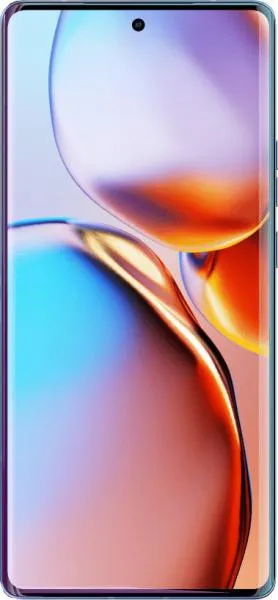
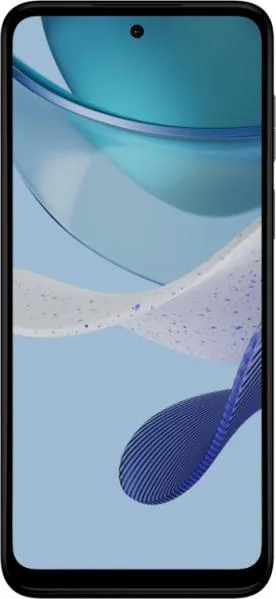
| Dimensions (mm) | 161.2 x 74 x 8.6 | 164 x 75 x 8.4 | Edge 40 Pro slightly smaller, thinner |
| Weight (g) | 199 | 189 | Moto G slightly lighter but negligible difference |
| Build | Material unspecified for both, limiting comparison | ||
| Display | |||
| Display Type | 6.67" OLED, 1B colors, 165Hz | 6.5" IPS LCD, 120Hz | Edge 40 Pro: Superior color accuracy, deeper blacks, smoother scrolling due to higher refresh rate. Moto G: Potentially better outdoor visibility |
| Resolution | 1080 x 2400 (394 ppi) | 720 x 1600 (270 ppi) | Edge 40 Pro: Sharper, more detailed images and text. |
| Brightness | 1300 nits (peak) | Unspecified | Edge 40 Pro: Significantly brighter, improving outdoor readability. Missing Moto G spec limits comparison |
| Performance | |||
| Chipset | Snapdragon 8 Gen 2 | Snapdragon 480+ 5G | Edge 40 Pro: Vastly superior processing power, enabling smoother multitasking, faster app loading, and better gaming performance. |
| CPU | Octa-core (3.2 GHz Cortex-X3...) | Octa-core (2.2 GHz Kryo 460...) | Edge 40 Pro: Significantly faster CPU, translating to a noticeably snappier user experience |
| GPU | Adreno 740 | Adreno 619 | Edge 40 Pro: Much more powerful GPU, crucial for demanding games and graphics-intensive tasks |
| RAM | 12GB | 4GB | Edge 40 Pro: More RAM enables smoother multitasking and prevents apps from closing in the background. |
| Camera | |||
| Main Camera | 50MP, f/1.8, OIS | 48MP, f/1.7 | Edge 40 Pro: Likely better low-light performance due to OIS; sensor specifics missing for Moto G limits detail comparison. |
| Other Cameras | 50MP ultrawide, 12MP telephoto | 2MP macro, 8MP selfie | Edge 40 Pro: More versatile camera system with ultrawide and telephoto lenses. Moto G has a low-resolution macro, likely of limited practical use |
| Video | Up to 8K@30fps | Up to 1080p@30fps | Edge 40 Pro: Capable of significantly higher resolution video recording. |
| Battery | |||
| Capacity | 4600 mAh | 5000 mAh | Moto G has a larger battery capacity, potentially longer battery life, but Edge 40 Pro's more efficient chip could offset this. |
| Charging Speed | Missing specification for both phones. |
2. Key Differences Analysis
Motorola Edge 40 Pro Advantages:
- Flagship Performance: Significantly faster processor, GPU, and more RAM for a smoother, more responsive experience.
- Superior Display: Higher resolution, refresh rate, brighter OLED panel for vibrant visuals and smooth scrolling.
- Versatile Camera System: Offers ultrawide and telephoto lenses for a wider range of photography options.
- Faster Connectivity: Wi-Fi 7 and Bluetooth 5.3 for the latest wireless standards.
Motorola Moto G (2023) Advantages:
- Larger Battery: 5000 mAh battery potentially offers longer battery life.
- Lower Price: Significantly more affordable.
3. User Profiles & Recommendations
Motorola Edge 40 Pro: Ideal for users who prioritize performance, a premium display, a versatile camera system, and the latest technology. Suitable for demanding tasks like gaming, content creation, and multitasking.
Motorola Moto G (2023): Best for budget-conscious users who primarily use their phone for basic tasks like calling, texting, web browsing, and social media. Less suitable for demanding games or heavy multitasking.
4. Decision Framework
Key Questions for Buyers:
- What is your budget? The Edge 40 Pro is significantly more expensive.
- What are your primary phone usage patterns? Demanding tasks benefit from the Edge 40 Pro's performance; basic usage might suffice with the Moto G.
- How important are display quality and camera versatility? The Edge 40 Pro excels in these areas.
My Choice: Motorola Edge 40 Pro
While the Moto G (2023) offers good value for its price, the Edge 40 Pro is the clear winner for me. Its superior performance, stunning display, and versatile camera system provide a significantly better overall user experience. The price difference is substantial, but the Edge 40 Pro's advantages justify the premium for users who value a high-quality, future-proof smartphone. Specifically, the Snapdragon 8 Gen 2, coupled with 12GB of RAM, guarantees a smooth and responsive experience for years to come. The 165Hz OLED display offers a visual treat, and the inclusion of both ultrawide and telephoto lenses significantly enhances photographic capabilities. While battery life is a concern, the more efficient chipset of the Edge 40 Pro might offset the smaller battery capacity compared to the Moto G. Ultimately, I prioritize performance and a premium experience, making the Edge 40 Pro the better choice for my needs.
