1. Specifications Comparison
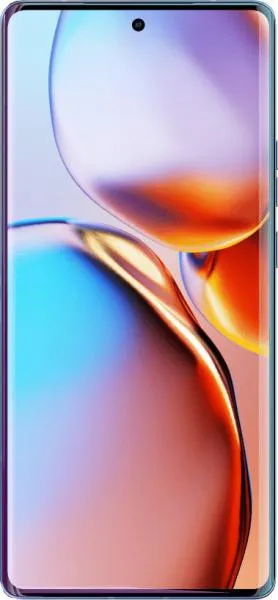
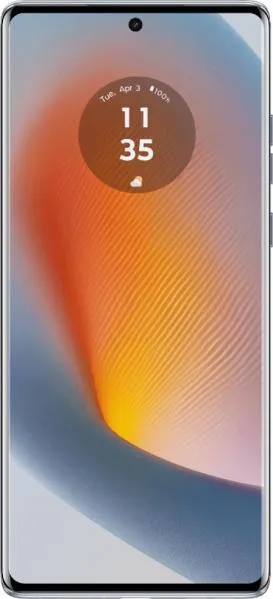
| Feature | Motorola Edge 40 Pro | Motorola Edge 50 Fusion | Practical Impact |
|---|---|---|---|
| Design | |||
| Dimensions (mm) | 161.2 x 74 x 8.6 | 161.9 x 73.1 x 7.9 | Edge 40 Pro is slightly thinner and shorter, Edge 50 Fusion is marginally lighter. Negligible difference in hand feel. |
| Weight (g) | 199 | 174.9 | |
| Display | |||
| Display Type | OLED | P-OLED | Both offer vibrant colors and deep blacks. OLED generally has slightly better power efficiency. |
| Display Size (inches) | 6.67 | 6.7 | Virtually identical screen real estate. |
| Resolution | 1080 x 2400 | 1080 x 2400 | Same resolution, resulting in similar sharpness. |
| Refresh Rate (Hz) | 165 | 120/144 (Region Dependent) | Edge 40 Pro offers smoother scrolling and animations, especially noticeable in gaming and fast-paced UI interactions. The difference between 120Hz and 144Hz is minor. |
| Peak Brightness (nits) | 1300 | 1600 | Edge 50 Fusion should be more visible in direct sunlight. |
| Performance | |||
| Chipset | Snapdragon 8 Gen 2 | Snapdragon 7s Gen 2 | Edge 40 Pro boasts significantly higher CPU and GPU performance, leading to faster app loading, smoother multitasking, and better gaming capabilities. |
| CPU | Octa-core (1x3.2 GHz Cortex-X3 & 2x2.8 GHz Cortex-A715 & 2x2.8 GHz Cortex-A710 & 3x2.0 GHz Cortex-A510) | Octa-core (4x2.40 GHz Cortex-A78 & 4x1.95 GHz Cortex-A55) | |
| GPU | Adreno 740 | Adreno 710 | |
| RAM (GB) | 12 | 8 | Edge 40 Pro's larger RAM allows for more apps to run in the background without reloading, improving multitasking performance. |
| Camera | |||
| Main Camera (MP) | 50 | 50 | Resolution is similar, but sensor and image processing differences likely impact overall image quality. |
| Ultrawide (MP) | 50 | 13 | Edge 40 Pro's higher resolution ultrawide offers significantly more detail and flexibility. |
| Telephoto (MP) | 12 | None | Edge 40 Pro offers optical zoom for better quality zoomed images. Edge 50 Fusion relies on digital zoom. |
| Video Recording | Up to 8K@30fps | Up to 4K@30fps | Edge 40 Pro can record higher resolution video. |
| Battery | |||
| Capacity (mAh) | 4600 | 5000 | Edge 50 Fusion likely offers longer battery life due to its larger battery and less power-hungry processor. |
| Charging Speed | Not specified | Not specified | Cannot compare charging speeds without specific data. |
2. Key Differences Analysis
Motorola Edge 40 Pro Advantages:
- Significantly higher performance: The Snapdragon 8 Gen 2 provides a substantial performance advantage for demanding tasks and gaming.
- Superior display: Higher refresh rate provides a smoother user experience.
- More versatile camera system: Dedicated telephoto lens for optical zoom and a higher resolution ultrawide sensor.
- Faster Wi-Fi: Supports Wi-Fi 7 for potentially faster speeds in compatible environments.
Motorola Edge 50 Fusion Advantages:
- Larger battery: Potentially longer battery life.
- Lower price: Offers good value for its features.
- Brighter Display: Better visibility in direct sunlight.
Trade-offs:
- Edge 40 Pro: Higher price for premium performance and features. Potentially shorter battery life compared to the Edge 50 Fusion.
- Edge 50 Fusion: Lower performance may result in slower app loading and less capable gaming. Less versatile camera system lacking a dedicated telephoto lens.
3. User Profiles & Recommendations
Motorola Edge 40 Pro: Ideal for power users, gamers, and those who prioritize performance, a smooth display, and a versatile camera. Use cases include demanding mobile gaming, content creation, and multitasking.
Motorola Edge 50 Fusion: Suitable for budget-conscious users who prioritize battery life and value for money. Excels in everyday tasks like web browsing, social media, and casual photography.
4. Decision Framework
Key Questions for Buyers:
- What is your budget? The Edge 40 Pro is significantly more expensive.
- What is your primary use case? (Gaming, photography, general use)
- How important is battery life to you?
My Choice: Motorola Edge 40 Pro
While the Edge 50 Fusion offers great value, I would choose the Motorola Edge 40 Pro. The significant performance difference provided by the Snapdragon 8 Gen 2, the smoother 165Hz display, and the more versatile camera system with a telephoto lens are crucial for my usage. I prioritize a smooth and responsive user experience, and I often use my phone for demanding tasks and gaming. While battery life is important, I'm willing to sacrifice a bit of longevity for the significant performance gains. The higher price is justified for the premium experience the Edge 40 Pro offers. The brighter display of the Fusion is appealing, but not enough to sway my decision.
