1. Specifications Comparison
| Feature | Motorola Edge 40 Pro | Motorola Edge 40 Neo | Practical Impact |
|---|---|---|---|
| Design | |||
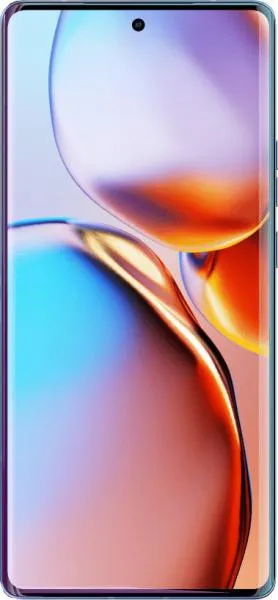
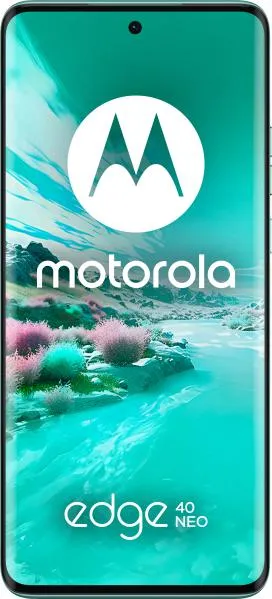
| Dimensions (mm) | 161.2 x 74 x 8.6 | 159.6 x 72 x 7.9 | Edge 40 Neo is slightly smaller and thinner. |
| Weight (g) | 199 | 170 | Edge 40 Neo is noticeably lighter, improving one-handed use. |
| Display | |||
| Display Type | OLED | pOLED | Both offer vivid colors and deep blacks. Practical differences between OLED and pOLED are often negligible for average users. |
| Size (inches) | 6.67 | 6.55 | Negligible difference in screen real estate. |
| Resolution | 1080 x 2400 | 1080 x 2400 | Identical resolution, resulting in similar sharpness. |
| Refresh Rate (Hz) | 165 | 144 | Edge 40 Pro offers a slightly smoother scrolling and gaming experience, though 144Hz is still very smooth. |
| Peak Brightness (nits) | 1300 | 1300 | Both offer excellent outdoor visibility. |
| Performance | |||
| Chipset | Snapdragon 8 Gen 2 | Dimensity 7030 | Edge 40 Pro boasts significantly faster CPU and GPU performance, impacting demanding tasks like gaming and video editing. |
| CPU | Octa-core (1x3.2 GHz Cortex-X3 & 2x2.8 GHz Cortex-A715 & 2x2.8 GHz Cortex-A710 & 3x2.0 GHz Cortex-A510) | Octa-core (2x2.5 GHz Cortex-A78 & 6x2.0 GHz Cortex-A55) | Edge 40 Pro's superior CPU architecture provides a noticeable performance advantage in demanding applications and multitasking. |
| GPU | Adreno 740 | Mali-G610 MC3 | Edge 40 Pro offers a substantial advantage in graphics performance, leading to smoother gaming and faster rendering. |
| RAM (GB) | 12 | 12 | Equal RAM ensures smooth multitasking on both devices. |
| Camera | |||
| Main Camera (MP) | 50 | 50 | Similar resolution, but image quality will likely differ due to sensor and processing differences. |
| Ultrawide (MP) | 50 | 13 | Edge 40 Pro offers a much higher resolution ultrawide camera, capturing more detail and offering greater flexibility. |
| Telephoto (MP) | 12 | None | Edge 40 Pro offers optical zoom for better quality zoomed shots, while Edge 40 Neo relies on digital zoom. |
| Video Recording | Up to 8K@30fps | Up to 4K@30fps | Edge 40 Pro supports higher resolution video recording. |
| Battery | |||
| Capacity (mAh) | 4600 | 5000 | Edge 40 Neo offers a larger battery, potentially resulting in longer battery life. However, real-world usage will vary depending on usage patterns and optimization. |
| Other | |||
| OS | Android 13 | Android 13 | Both launch with the same OS version, but promised maximum OS versions differ. |
| Price Range | High | Medium | Significant price difference. |
2. Key Differences Analysis
Motorola Edge 40 Pro Advantages:
- Significantly superior performance: The Snapdragon 8 Gen 2 offers a major advantage in processing power and graphics rendering.
- Better camera system: Higher resolution ultrawide and the presence of a telephoto lens provide greater versatility.
- Higher resolution video recording: Supports up to 8K video.
- Slightly smoother display: 165Hz refresh rate.
Motorola Edge 40 Neo Advantages:
- Lower price: Significantly more affordable.
- Larger battery: Potentially longer battery life.
- Lighter and thinner: Enhanced portability and one-handed use.
3. User Profiles & Recommendations
Motorola Edge 40 Pro: Ideal for power users, gamers, and those who demand the best performance and camera capabilities. Excellent for demanding tasks, content creation, and high-quality media consumption.
Motorola Edge 40 Neo: Suitable for budget-conscious users who prioritize battery life and portability. A good choice for everyday tasks, social media, web browsing, and casual gaming.
4. Decision Framework
Key Questions for Buyers:
- What is your budget? The Edge 40 Pro is significantly more expensive.
- What are your primary use cases? Gaming, content creation, and heavy multitasking benefit from the Pro's power.
- How important is battery life and portability? The Neo excels in these areas.
Scenario-Based Recommendations:
- Heavy gamer: Edge 40 Pro
- Photographer/Videographer: Edge 40 Pro
- Casual user on a budget: Edge 40 Neo
- User prioritizing battery life: Edge 40 Neo
My Choice: Motorola Edge 40 Pro
While the Motorola Edge 40 Neo offers excellent value for its price, I would choose the Motorola Edge 40 Pro. The significant performance difference offered by the Snapdragon 8 Gen 2, coupled with the superior camera system (especially the inclusion of a telephoto lens and higher resolution ultrawide), justifies the higher price for me. I prioritize a smooth and responsive user experience, especially for demanding tasks and mobile gaming. The slightly smaller battery of the Pro is a trade-off I'm willing to make for the substantial performance gains. While the Neo's lighter weight is attractive, the Pro's weight is still within an acceptable range. Ultimately, the Pro's flagship-level performance and versatile camera system align better with my needs and preferences.
