1. Specifications Comparison
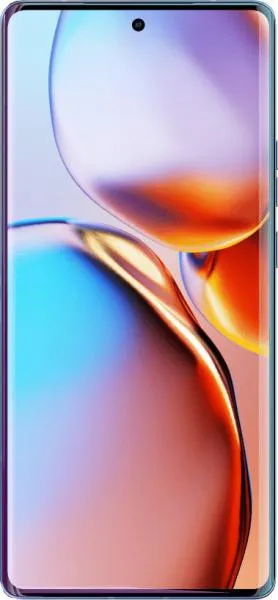
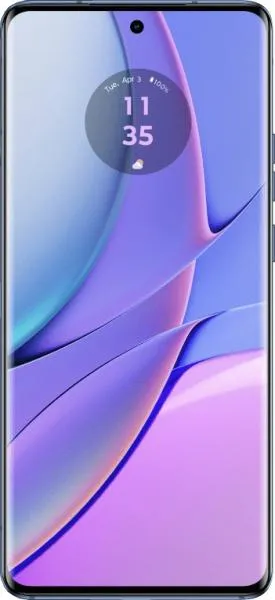
| Feature | Motorola Edge 40 Pro | Motorola Edge 40 | Practical Impact |
|---|---|---|---|
| Design | |||
| Dimensions (mm) | 161.2 x 74 x 8.6 | 158.4 x 72 x 7.6 | Edge 40 is noticeably smaller and thinner, making it more pocketable and easier to handle. |
| Weight (g) | 199 | 167 | The Edge 40 is significantly lighter, reducing hand fatigue during extended use. |
| Build | Not specified | Not specified | Build materials impact durability and premium feel. Lack of information limits comparison. |
| Display | |||
| Size (inches) | 6.67 | 6.55 | Negligible difference in screen real estate. |
| Resolution | 1080 x 2400 | 1080 x 2400 | Identical resolution, resulting in similar sharpness. |
| Type | OLED | p-OLED | Both offer vibrant colors and deep blacks. Subtle differences in power consumption and viewing angles might exist, but real-world impact is minimal. |
| Refresh Rate (Hz) | 165 | 144 | Edge 40 Pro offers slightly smoother scrolling and animations, especially noticeable in fast-paced games. |
| Peak Brightness (nits) | 1300 | 1200 | Edge 40 Pro should offer slightly better visibility in direct sunlight. |
| Performance | |||
| Chipset | Snapdragon 8 Gen 2 | Dimensity 8020 | Snapdragon 8 Gen 2 provides significantly faster CPU and GPU performance, resulting in smoother multitasking, faster app loading, and better gaming capabilities. |
| RAM (GB) | 12 | 8 | More RAM on the Edge 40 Pro allows for more apps to run in the background without performance degradation. |
| Storage (GB) | 256/512 | 256 | Edge 40 Pro offers a 512GB option for users needing more storage. |
| Camera | |||
| Main Camera (MP) | 50 (OV50A) | 50 (OV50A) | Same sensor suggests similar image quality in ideal conditions. Tuning and processing will play a role in final output. |
| Ultrawide (MP) | 50 | 13 | Edge 40 Pro's higher resolution ultrawide offers significantly more detail and flexibility. |
| Telephoto (MP) | 12 (2x optical zoom) | None | Edge 40 Pro offers optical zoom for better quality zoomed images. Edge 40 lacks a dedicated telephoto lens. |
| Video Recording | Up to 8K@30fps | Up to 4K@30fps | Edge 40 Pro supports higher resolution video recording. |
| Battery | |||
| Capacity (mAh) | 4600 | 4400 | Edge 40 Pro has a slightly larger battery, potentially translating to longer battery life. However, real-world usage varies greatly. |
| Charging Speed | Not specified | Not specified | Charging speed significantly impacts usability. This missing information limits comparison. |
2. Key Differences Analysis
Motorola Edge 40 Pro Advantages:
- Significantly faster performance: Snapdragon 8 Gen 2 provides a substantial advantage in processing power.
- More RAM: Improved multitasking and smoother performance.
- Superior camera system: Higher resolution ultrawide and the presence of a telephoto lens with 2x optical zoom offer greater versatility.
- Higher resolution video recording: Up to 8K@30fps.
- Slightly larger battery: Potentially longer battery life.
Motorola Edge 40 Advantages:
- Smaller and lighter design: More comfortable for one-handed use and portability.
- Lower price: Offers a more affordable option.
- Faster refresh rate display (144hz vs 165hz): While marginally lower than the Pro, still provides a smooth user experience.
3. User Profiles & Recommendations
Motorola Edge 40 Pro: Ideal for power users, gamers, and those who prioritize top-tier performance, camera capabilities, and a premium experience.
Motorola Edge 40: Suitable for users seeking a stylish, lightweight phone with a smooth display and good overall performance at a more affordable price. Best for everyday tasks, social media, web browsing, and casual gaming.
4. Decision Framework
Key Questions:
- What is your budget? The Edge 40 Pro is significantly more expensive.
- What is your priority: Performance or portability? Edge 40 Pro prioritizes performance, while Edge 40 emphasizes portability.
- How important are camera features? The Edge 40 Pro has a more versatile camera system.
My Choice: Motorola Edge 40
While the Edge 40 Pro boasts superior performance and camera capabilities, the Motorola Edge 40 better suits my needs. I prioritize a lightweight and comfortable phone for everyday use. The Edge 40's smaller size and lighter weight, combined with its still-excellent performance for everyday tasks and a more affordable price, make it the more compelling option for me. I am willing to sacrifice some processing power and camera versatility for the enhanced portability and cost savings. The 144Hz refresh rate is still incredibly smooth, and the Dimensity 8020 is more than capable of handling my typical usage. The significantly lower price point seals the deal, offering excellent value for its features.
