1. Specifications Comparison
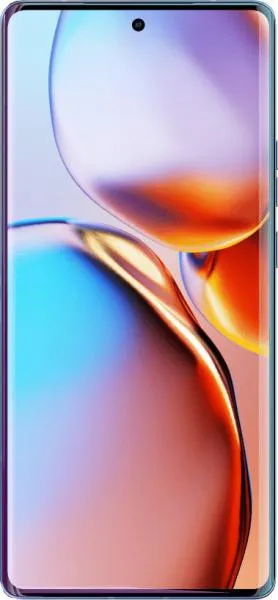
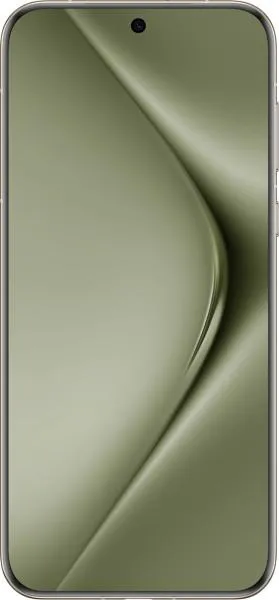
| Feature | Motorola Edge 40 Pro | Huawei Pura 70 Ultra | Practical Impact |
|---|---|---|---|
| Design | |||
| Dimensions (mm) | 161.2 x 74 x 8.6 | 162.6 x 75.1 x 8.4 | Huawei is slightly larger and heavier. Negligible difference in everyday use. |
| Weight (g) | 199 | 226 | Motorola feels noticeably lighter in hand, reducing hand fatigue. |
| Display | |||
| Size (inches) | 6.67 | 6.8 | Huawei offers a slightly larger viewing area. |
| Resolution (px) | 1080 x 2400 | 1260 x 2844 | Huawei has a sharper display with higher pixel density, resulting in crisper text and images. |
| Refresh Rate (Hz) | 165 | 120 | Motorola's higher refresh rate provides smoother animations and scrolling, especially noticeable in gaming and fast-paced content. |
| Display Type | OLED | LTPO OLED | Huawei's LTPO OLED allows for dynamic refresh rate adjustment, potentially saving battery life. |
| Peak Brightness (nits) | 1300 | 2500 | Huawei's significantly higher peak brightness ensures better visibility in direct sunlight. |
| Performance | |||
| Chipset | Snapdragon 8 Gen 2 (4 nm) | Kirin 9010 (7 nm) | Snapdragon 8 Gen 2 is newer and generally more powerful, offering better performance and efficiency. |
| CPU | Octa-core (1x3.2 GHz Cortex-X3 & 2x2.8 GHz Cortex-A715 & 2x2.8 GHz Cortex-A710 & 3x2.0 GHz Cortex-A510) | Octa-core (1x2.3 GHz Taishan Big & 3x2.18 GHz Taishan Mid & 4x1.55 GHz Cortex-A510) | Motorola's CPU boasts higher clock speeds and a more modern architecture, translating to faster app loading, smoother multitasking, and better gaming performance. |
| RAM (GB) | 12 | 16 | Huawei offers more RAM, potentially benefiting heavy multitaskers; however, 12GB is ample for most users. |
| Camera | |||
| Main Camera (MP) | 50 | 50 | Both have high-resolution main sensors. |
| Main Sensor Size | 1/1.55" | 1" | Huawei's significantly larger sensor should capture more light, resulting in better low-light performance and dynamic range. |
| Ultrawide (MP) | 50 | 40 | Motorola has a higher resolution ultrawide. |
| Telephoto (MP) | 12 | 50 | Huawei's telephoto offers significantly higher resolution and potentially better zoom capabilities. No specific zoom details are provided for the Huawei, limiting a detailed analysis. |
| Battery | |||
| Capacity (mAh) | 4600 | 5200 | Huawei offers a larger battery capacity, likely resulting in longer battery life. |
| OS | Android 13 | Missing Information | Unable to compare OS features and update policies due to missing information for the Huawei. |
2. Key Differences Analysis
Motorola Edge 40 Pro Advantages:
- Superior Performance: The Snapdragon 8 Gen 2 offers a significant performance advantage over the Kirin 9010.
- Smoother Display: The 165Hz refresh rate provides a noticeable improvement in fluidity.
- Lighter and More Compact: Easier to handle and carry.
Huawei Pura 70 Ultra Advantages:
- Sharper Display: Higher resolution and pixel density deliver crisper visuals.
- Brighter Display: Significantly brighter for improved outdoor visibility.
- Larger Battery: Potentially longer battery life.
- Larger Sensor Size on Main Camera: Superior low light performance and dynamic range.
3. User Profiles & Recommendations
Motorola Edge 40 Pro: Ideal for users who prioritize performance, smooth display, and a lighter phone. Suitable for gamers, power users, and those who consume a lot of media on their phones.
Huawei Pura 70 Ultra: Best suited for users who value a large, sharp, and bright display, long battery life, and advanced camera features, especially in low light conditions. Recommended for photographers, videographers, and those who spend considerable time outdoors.
4. Decision Framework
Key Questions for Buyers:
- Performance vs. Battery Life: Is top-tier processing power or extended battery life more important?
- Display Quality vs. Smoothness: Do you prefer a sharper, brighter display or smoother animations and scrolling?
- OS and Ecosystem: Which OS and associated app ecosystem do you prefer? (Limited analysis due to missing Huawei OS information).
My Choice: Motorola Edge 40 Pro
While the Huawei Pura 70 Ultra boasts a larger battery, brighter and sharper display, and potentially superior camera capabilities in low light, I would choose the Motorola Edge 40 Pro. The significantly more powerful Snapdragon 8 Gen 2, coupled with the 165Hz refresh rate, makes a compelling case for a smoother and more responsive user experience. The lighter weight is also a significant factor for daily comfort. The lack of OS information for the Huawei also raises concerns about software updates and app availability. Ultimately, performance and a fluid user experience are my priorities, making the Motorola the better fit for my needs. The Huawei's advantages in battery life and display are substantial, but not enough to outweigh the performance gap and missing OS information for me.
