1. Specifications Comparison
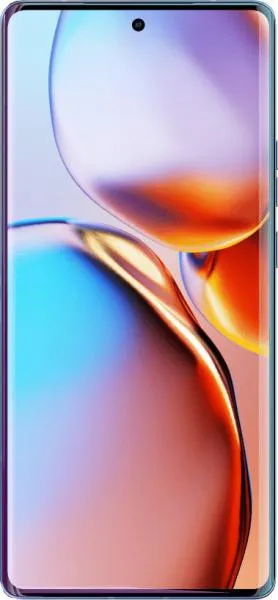
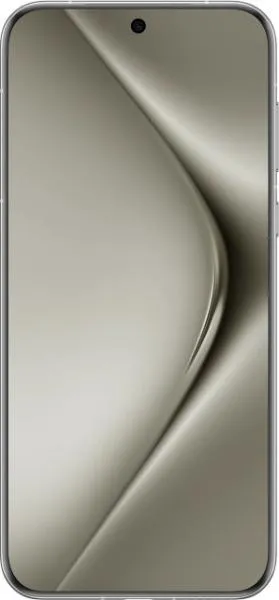
| Feature | Motorola Edge 40 Pro | Huawei Pura 70 Pro | Practical Impact |
|---|---|---|---|
| Design | |||
| Dimensions (mm) | 161.2 x 74 x 8.6 | 162.6 x 75.1 x 8.4 | Huawei is slightly larger but thinner. Negligible difference in daily use. |
| Weight (g) | 199 | 220 | Motorola is noticeably lighter, more comfortable for extended use. |
| Display | |||
| Size (inches) | 6.67 | 6.8 | Huawei offers a slightly larger screen for more immersive content consumption. |
| Resolution (px) | 1080 x 2400 | 1260 x 2844 | Huawei has a sharper display with higher pixel density (460 vs 394 ppi), resulting in crisper text and images. |
| Refresh Rate (Hz) | 165 | 120 | Motorola's higher refresh rate provides smoother animations and scrolling. Noticeable in gaming and fast-paced UI interactions. |
| Display Type | OLED | LTPO OLED | Both are OLED, offering vibrant colors and deep blacks. Huawei's LTPO panel allows for dynamic refresh rate adjustment, potentially saving battery. |
| Peak Brightness (nits) | 1300 | 2500 | Huawei's significantly higher peak brightness ensures better visibility in direct sunlight. |
| Performance | |||
| Chipset | Snapdragon 8 Gen 2 | Kirin 9010 | Snapdragon 8 Gen 2 is a newer, more powerful chip, likely offering superior performance in demanding tasks and gaming. |
| CPU | Octa-core (1x3.2 GHz Cortex-X3 & 2x2.8 GHz Cortex-A715 & 2x2.8 GHz Cortex-A710 & 3x2.0 GHz Cortex-A510) | Octa-core (1x2.3 GHz Taishan Big & 3x2.18 GHz Taishan Mid & 4x1.55 GHz Cortex-A510) | Motorola's CPU boasts higher clock speeds and a more modern architecture, translating to faster processing. |
| GPU | Adreno 740 | Maleoon 910 | Adreno 740 is generally considered more powerful, offering better gaming performance. |
| RAM (GB) | 12 | 12 | Both phones have ample RAM for multitasking. |
| Camera | |||
| Main Camera (MP) | 50 | 50 | Comparable megapixel count, but sensor details suggest Huawei might have a larger sensor (1/1.3" vs 1/1.55"), potentially capturing more light. |
| Other Cameras | 50MP ultrawide, 12MP telephoto | 12.5MP ultrawide, 48MP telephoto | Huawei offers a higher resolution telephoto lens, potentially enabling better zoom capabilities. Specific zoom levels (optical/digital) are not fully clear for both. |
| Video Capabilities | Up to 8K@30fps | Unspecified | Motorola's detailed video specs highlight its ability to record high-resolution video at various frame rates. Huawei lacks specific video recording details. |
| Battery | |||
| Capacity (mAh) | 4600 | 5050 | Huawei offers a larger battery capacity, potentially translating to longer battery life. Real-world usage will vary. |
2. Key Differences Analysis
Motorola Edge 40 Pro Advantages:
- Superior Performance: Newer, more powerful chipset and CPU/GPU. Significant for demanding tasks, gaming, and future-proofing.
- Smoother Display: Higher refresh rate for more fluid user experience.
- Lighter and More Compact: Easier to handle and carry.
- Detailed Video Recording Capabilities: Offers a wide range of resolutions and frame rates.
- Wider OS Update Support: Guaranteed updates up to Android 16.
Huawei Pura 70 Pro Advantages:
- Sharper Display: Higher resolution and pixel density for crisper visuals.
- Brighter Display: Much brighter screen for excellent outdoor visibility.
- Larger Battery: Potential for longer battery life.
- Potentially Better Low-Light Camera Performance: Larger main camera sensor indicated. However, comprehensive camera comparisons are hampered by missing data for the Huawei phone.
3. User Profiles & Recommendations
Motorola Edge 40 Pro: Users who prioritize performance, smooth display, and a lighter phone. Ideal for mobile gamers, power users, and those who value software updates.
Huawei Pura 70 Pro: Users who prioritize display quality, battery life, and potentially better low-light photography. Suitable for media consumption, users who are often outdoors, and those less concerned with peak performance.
4. Decision Framework
Key Questions for Buyers:
- What is your budget? The Motorola falls in a higher price range compared to Huawei's mid-range positioning.
- What are your primary use cases? (Gaming, media consumption, photography, general use)
- Which features are most important to you? (Performance, display quality, battery life, camera)
My Choice: Motorola Edge 40 Pro
While the Huawei Pura 70 Pro offers a compelling display and larger battery, the Motorola Edge 40 Pro's superior performance, smoother display, lighter weight, and guaranteed Android updates make it the better overall choice for me. I prioritize performance and longevity in a smartphone, and the Snapdragon 8 Gen 2 provides a significant advantage in these areas. The lighter weight is also a major factor for daily comfort. The lack of detailed camera and video specs for the Huawei makes a thorough comparison difficult, but the available information suggests the Motorola is no slouch in the camera department either. While the Huawei's display is impressive, the Motorola's 165Hz refresh rate enhances the user experience more significantly for my usage. Finally, the confirmed software update path for the Motorola ensures a longer lifespan and continued security.
