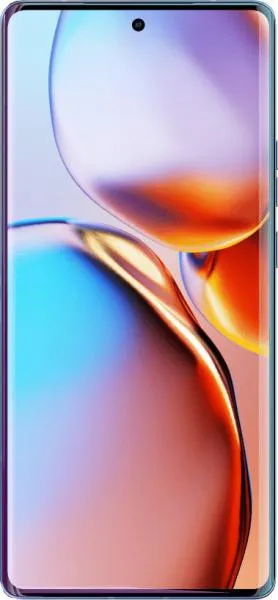
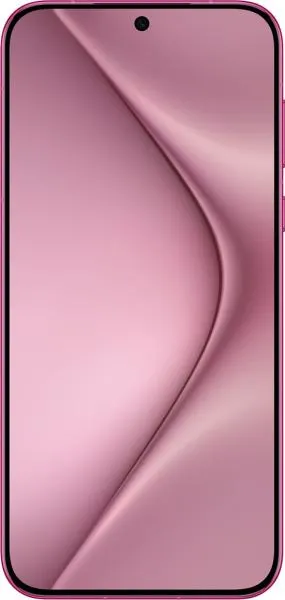
1. Specifications Comparison
| Feature | Motorola Edge 40 Pro | Huawei Pura 70 | Practical Impact |
|---|---|---|---|
| Design | |||
| Dimensions (mm) | 161.2 x 74 x 8.6 | 157.6 x 74.3 x 8 | Huawei Pura 70 is slightly shorter and thinner. Negligible difference in daily use. |
| Weight (g) | 199 | 207 | Motorola is slightly lighter, but the difference is minimal. |
| Display | |||
| Display Type | OLED | LTPO OLED | Both offer vibrant colors and deep blacks. LTPO on the Huawei allows for dynamic refresh rate adjustment, potentially saving battery. |
| Display Size (inches) | 6.67 | 6.6 | Negligible difference in screen real estate. |
| Resolution | 1080 x 2400 | 1256 x 2760 | Huawei offers a sharper display with higher pixel density, resulting in crisper text and images. |
| Refresh Rate (Hz) | 165 | 120 | Motorola offers a higher refresh rate for smoother animations and scrolling, especially noticeable in gaming. |
| Peak Brightness (nits) | 1300 | 2500 | Huawei's significantly higher peak brightness ensures better outdoor visibility. |
| Performance | |||
| Chipset | Snapdragon 8 Gen 2 | Kirin 9000S1 | Snapdragon 8 Gen 2 is generally considered a more powerful and efficient chip, likely leading to better performance in demanding tasks and gaming. |
| CPU | Octa-core (detailed specs) | Octa-core (lacking detailed specs) | Detailed CPU information missing for Huawei makes direct comparison difficult. |
| GPU | Adreno 740 | Maleoon 910 | Adreno 740 generally offers better gaming performance and graphics rendering compared to the less common Maleoon 910. |
| RAM (GB) | 12 | 12 | Both phones have ample RAM for multitasking and smooth performance. |
| Camera | |||
| Main Camera (MP) | 50 | 50 | Both have high-resolution main sensors. Practical image quality depends on sensor size, aperture, and processing, which require further analysis beyond provided specs. |
| Ultrawide (MP) | 50 | 13 | Motorola offers a much higher resolution ultrawide camera, likely capturing more detail and offering better low-light performance. |
| Telephoto (MP) | 12 | 12 | Similar resolution, but Huawei boasts 3.5x optical zoom compared to Motorola's 2x. Huawei's telephoto also has OIS. |
| Battery | |||
| Capacity (mAh) | 4600 | 4900 | Huawei offers a slightly larger battery capacity, potentially resulting in longer battery life. |
2. Key Differences Analysis
Motorola Edge 40 Pro Advantages:
- Higher Refresh Rate Display: Smoother scrolling and gaming experience.
- More Powerful Chipset: Generally better performance for demanding tasks and gaming.
- Higher Resolution Ultrawide Camera: Superior ultrawide photos and videos.
Huawei Pura 70 Advantages:
- Sharper Display: More detailed and crisp visuals.
- Higher Peak Brightness: Excellent outdoor visibility.
- Larger Battery: Potential for longer battery life.
- Longer Optical Zoom: Better for capturing distant subjects.
3. User Profiles & Recommendations
Motorola Edge 40 Pro: Ideal for users who prioritize performance, smooth display, and a versatile camera system, especially for gaming and media consumption.
Huawei Pura 70: Suitable for users who value a sharp display with excellent outdoor visibility, longer battery life, and strong zoom capabilities for photography.
4. Decision Framework
Key Questions for Buyers:
- What is your budget? The Motorola Edge 40 Pro falls in a higher price range.
- What are your primary use cases? Gaming and media consumption favor the Motorola; photography with a focus on zoom favors the Huawei.
- Which features are most important to you? Prioritize performance vs. battery life, display sharpness vs. refresh rate, camera versatility vs. zoom capabilities.
My Choice: Motorola Edge 40 Pro
While the Huawei Pura 70 has appealing features like the sharper display and larger battery, the Motorola Edge 40 Pro's superior performance due to the Snapdragon 8 Gen 2, higher refresh rate display for smoother user experience, and more versatile camera system make it the better overall device for me. The higher resolution ultrawide camera is a significant advantage for capturing expansive landscapes and group photos. I prioritize performance and a fluid user experience, and I am willing to pay the higher price for the Motorola Edge 40 Pro to achieve that. The lack of detailed CPU specifications for the Huawei also makes it difficult to fully assess its performance capabilities. Finally, while acknowledging that the OS is a subjective preference, the more established Android ecosystem with guaranteed updates to Android 16 on the Motorola offers a more appealing software experience compared to the uncertainties surrounding the Huawei's OS.
