1. Specifications Comparison
| Feature | Motorola Edge 40 Pro | Huawei nova 12i | Practical Impact |
|---|---|---|---|
| Design | |||
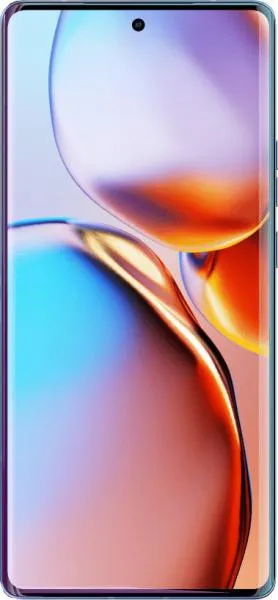
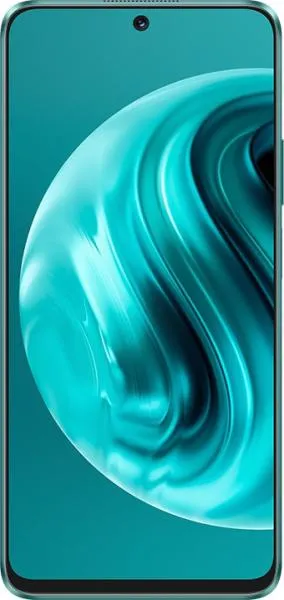
| Dimensions (mm) | 161.2 x 74 x 8.6 | 163.3 x 74.7 x 8.4 | Virtually identical in size and feel. |
| Weight (g) | 199 | 199 | Same weight, no noticeable difference in hand. |
| Build | Not specified | Not specified | Build quality and materials cannot be compared. |
| Display | |||
| Display Type | 6.67" OLED, 1B colors, 165Hz | 6.7" IPS LCD, 90Hz | The Edge 40 Pro will have significantly better contrast, deeper blacks, and smoother motion thanks to OLED and 165Hz. The Nova 12i's LCD will likely appear less vibrant and potentially exhibit motion blur. |
| Resolution | 1080 x 2400 | 1080 x 2388 | Nearly identical resolutions; sharpness will be comparable. |
| PPI | 394 | 391 | Negligible difference in pixel density. |
| Performance | |||
| Chipset | Snapdragon 8 Gen 2 (4nm) | Snapdragon 680 4G (6nm) | The Edge 40 Pro boasts a flagship-level processor, ensuring significantly faster performance, smoother multitasking, and superior gaming capabilities compared to the mid-range Snapdragon 680 in the Nova 12i. |
| CPU | Octa-core (1x3.2 GHz Cortex-X3 & 2x2.8 GHz Cortex-A715 & 2x2.8 GHz Cortex-A710 & 3x2.0 GHz Cortex-A510) | Octa-core (4x2.4 GHz Cortex-A73 & 4x1.9 GHz Cortex-A53) | The Edge 40 Pro's CPU architecture is more modern and powerful. |
| GPU | Adreno 740 | Adreno 610 | Edge 40 Pro offers a much more powerful GPU, crucial for demanding games and graphics-intensive applications. |
| RAM | 12GB | 8GB | More RAM on the Edge 40 Pro enables better multitasking and smoother performance with multiple apps open. |
| Camera | |||
| Main Camera | 50MP Omnivision OV50A | 108MP Samsung HM6 | While the Nova 12i has a higher resolution sensor, the Edge 40 Pro likely uses a larger sensor with larger individual pixels (indicated by a lower pixel size in microns on the Nova), potentially leading to better low-light performance. Image quality depends on processing, not just resolution. |
| Video Recording | Up to 8K@30fps | Up to 1080p@30fps | The Edge 40 Pro offers significantly higher video resolution and frame rates. |
| Battery | |||
| Capacity | 4600 mAh | 5000 mAh | The Nova 12i has a larger battery capacity, potentially offering longer battery life. However, real-world usage depends on software optimization and power efficiency of the chipset. |
| Charging Speed | Not specified | Not specified | Charging speeds cannot be compared due to missing information. |
2. Key Differences Analysis
Motorola Edge 40 Pro Advantages:
- Significantly more powerful: Snapdragon 8 Gen 2 provides a massive performance advantage for demanding tasks and gaming.
- Superior Display: OLED with 165Hz refresh rate delivers vibrant colors, deeper blacks, and incredibly smooth motion.
- Higher Quality Video Recording: 8K recording capabilities and advanced features like HDR and EIS.
Huawei nova 12i Advantages:
- Potentially Longer Battery Life: Larger 5000mAh battery.
- Lower Price: Belongs to a lower price range.
Trade-offs:
- The Edge 40 Pro's superior performance and display come at a significantly higher price.
- The Nova 12i prioritizes affordability and potentially longer battery life but sacrifices performance and display quality.
3. User Profiles & Recommendations
Motorola Edge 40 Pro: Ideal for power users, gamers, and those who demand the best performance and display quality. Excellent for demanding tasks, content creation, and immersive media consumption.
Huawei nova 12i: Suitable for budget-conscious users who prioritize basic functionality, battery life, and affordability over top-tier performance. Best for everyday tasks like web browsing, social media, and casual photography.
4. Decision Framework
Key Questions for Buyers:
- What is your budget? The Edge 40 Pro is significantly more expensive.
- What are your primary smartphone usage patterns? Demanding tasks and gaming benefit from the Edge 40 Pro's power.
- How important is display quality and smoothness? The Edge 40 Pro's OLED and 165Hz offer a substantial upgrade.
My Choice: Motorola Edge 40 Pro
While the Huawei nova 12i offers a compelling value proposition for budget-conscious buyers, the Motorola Edge 40 Pro is the clear winner for me. The superior performance of the Snapdragon 8 Gen 2, coupled with the stunning OLED display with a 165Hz refresh rate, makes for a significantly better user experience. I prioritize smooth performance, vibrant visuals, and future-proofing my device, and the Edge 40 Pro delivers on all fronts. While battery life is a consideration, I find that the performance and display benefits outweigh the potential difference in battery capacity. The higher price is justified by the significant upgrade in overall quality and capabilities.
