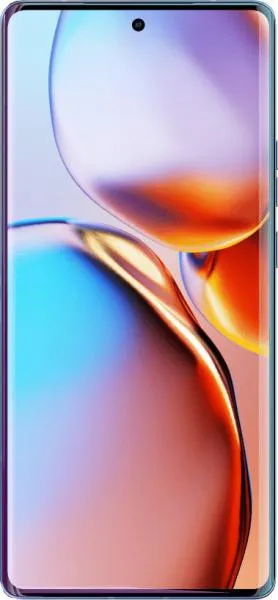
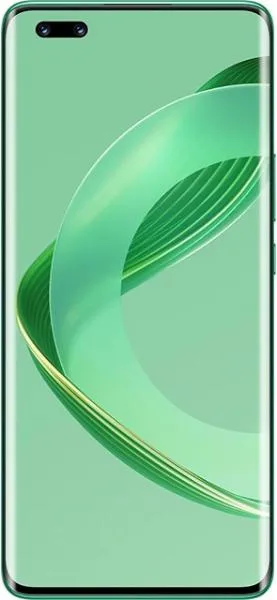
1. Specifications Comparison
| Feature | Motorola Edge 40 Pro | Huawei nova 11 Pro | Practical Impact |
|---|---|---|---|
| Design | |||
| Dimensions (mm) | 161.2 x 74 x 8.6 | 164.3 x 74.4 x 7.9 | Nova 11 Pro slightly taller and wider, but thinner. Negligible difference in everyday use. |
| Weight (g) | 199 | 188 | Nova 11 Pro slightly lighter, but the difference is minimal. |
| Build | Information not provided | Information not provided | Unable to compare build quality and materials. |
| Display | |||
| Display Size (inches) | 6.67 | 6.78 | Nova 11 Pro marginally larger; both offer immersive experiences. |
| Resolution | 1080 x 2400 | 1200 x 2652 | Nova 11 Pro has a sharper display with higher pixel density (429 ppi vs 394 ppi), leading to crisper text and images. |
| Refresh Rate (Hz) | 165 | 120 | Edge 40 Pro offers smoother scrolling and animations due to higher refresh rate. Noticeable in fast-paced games and UI interactions. |
| Display Type | OLED | OLED | Both offer vibrant colors and deep blacks. |
| HDR | HDR10+, Dolby Vision | HDR10 | Edge 40 Pro supports wider HDR standards, resulting in better dynamic range and color accuracy in compatible content. |
| Performance | |||
| Chipset | Snapdragon 8 Gen 2 | Snapdragon 778G 4G | Edge 40 Pro significantly more powerful, offering much better performance in demanding tasks and gaming. |
| CPU | Octa-core (up to 3.2 GHz) | Octa-core (up to 2.4 GHz) | Edge 40 Pro's CPU significantly faster, resulting in quicker app loading, multitasking, and overall responsiveness. |
| GPU | Adreno 740 | Adreno 642L | Edge 40 Pro has a much more powerful GPU, enabling significantly better gaming performance and graphics rendering. |
| RAM | 12GB | 8GB | Edge 40 Pro has more RAM, allowing for better multitasking and smoother performance with multiple apps open. |
| Camera | |||
| Main Camera (MP) | 50 | 50 | Megapixel count similar, but image quality depends on sensor size, aperture, and processing, which are not fully comparable here. |
| Ultrawide (MP) | 50 | 8 | Edge 40 Pro has a significantly higher resolution ultrawide camera, capturing more detail and wider scenes. |
| Telephoto (MP) | 12 | Not specified | Edge 40 Pro has a dedicated telephoto lens for optical zoom, which the Nova 11 Pro may lack. |
| Video Recording | Up to 8K@30fps | Up to 720p@960fps | Edge 40 Pro offers higher resolution video recording while the Nova 11 Pro is limited to slow motion at lower resolution. Full comparison not possible due to incomplete Nova 11 Pro video specs. |
| Battery | |||
| Capacity (mAh) | 4600 | 4500 | Negligible difference in battery capacity. Real-world battery life depends on usage and optimization. |
| Charging Speed | Information not provided | Information not provided | Unable to compare charging speeds. |
2. Key Differences Analysis
Motorola Edge 40 Pro Advantages:
- Significantly more powerful: Snapdragon 8 Gen 2 offers a substantial performance advantage for demanding tasks and gaming.
- Higher refresh rate display: Smoother scrolling and animations.
- Superior camera system: Higher resolution ultrawide and dedicated telephoto lens.
- Wider HDR support: Better dynamic range in compatible content.
Huawei nova 11 Pro Advantages:
- Sharper Display: Higher pixel density for crisper visuals.
- Potentially More Affordable: Belongs to a lower price range.
- Lighter Weight: Marginally lighter, though practically insignificant.
3. User Profiles & Recommendations
Motorola Edge 40 Pro: Ideal for power users, gamers, and those who prioritize performance, a smooth display, and a versatile camera system.
Huawei nova 11 Pro: Suitable for users who prioritize a sharp display, affordability, and general everyday use. May not be ideal for demanding tasks or gaming.
4. Decision Framework
Key Questions for Buyers:
- What is your budget? The Edge 40 Pro is a high-priced phone, while the Nova 11 Pro is mid-range.
- What is your primary use case? Gaming, photography, general use?
- How important is raw performance? The Edge 40 Pro offers a significant performance advantage.
Scenario-Based Recommendations:
- Heavy gamer: Motorola Edge 40 Pro
- Budget-conscious user: Huawei nova 11 Pro
- Photographer/Videographer: Motorola Edge 40 Pro
My Choice: Motorola Edge 40 Pro
Reasoning: The Motorola Edge 40 Pro offers a significantly more powerful platform with the Snapdragon 8 Gen 2, a higher refresh rate display, and a more versatile camera system. While the Huawei Nova 11 Pro has a sharper screen, the performance difference and camera capabilities of the Edge 40 Pro are more compelling for my needs. I prioritize a smooth and responsive user experience, which the Edge 40 Pro delivers due to its superior hardware. The price difference is justified by the significant performance gap. While the Nova 11 Pro might be a good choice for budget-conscious buyers, the Edge 40 Pro offers a more future-proof and comprehensive package.
