1. Specifications Comparison
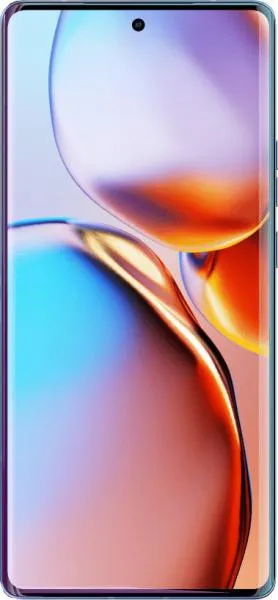
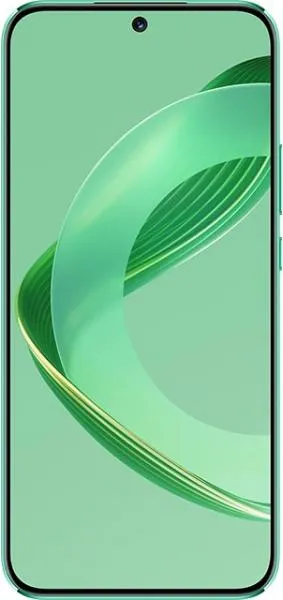
| Feature | Motorola Edge 40 Pro | Huawei nova 11 | Practical Impact |
|---|---|---|---|
| Design | |||
| Dimensions (mm) | 161.2 x 74 x 8.6 | 161.3 x 75 x 6.9 | Nova 11 is noticeably thinner and slightly wider. |
| Weight (g) | 199 | 168 | Nova 11 is significantly lighter, improving one-handed use. |
| Build | Not specified | Not specified | Build materials and durability are unknown for comparison. |
| Display | |||
| Display Size (inches) | 6.67 | 6.7 | Negligible size difference. |
| Resolution (px) | 1080 x 2400 | 1084 x 2412 | Virtually identical resolutions, resulting in similar sharpness. |
| Display Type | OLED, 1B colors, 165Hz | OLED, 1B colors, 120Hz | Edge 40 Pro's 165Hz offers smoother animations and scrolling, especially noticeable in gaming. |
| Peak Brightness (nits) | 1300 | 950 | Edge 40 Pro will be more visible in direct sunlight. |
| Performance | |||
| Chipset | Snapdragon 8 Gen 2 (4 nm) | Snapdragon 778G 4G (6 nm) | Edge 40 Pro offers significantly faster CPU and GPU performance for demanding tasks and gaming. |
| CPU | Octa-core (1x3.2 GHz Cortex-X3 & 2x2.8 GHz Cortex-A715 & 2x2.8 GHz Cortex-A710 & 3x2.0 GHz Cortex-A510) | Octa-core (4x2.4 GHz Kryo 670 & 4x1.8 GHz Kryo 670) | Edge 40 Pro's superior core configuration translates to faster processing speeds. |
| RAM (GB) | 12 | 8 | Edge 40 Pro allows for more apps to run in the background without reloading. |
| Camera | |||
| Main Camera (MP) | 50 MP (OV50A) | 50 MP | Sensor model unspecified for Nova 11, hindering detailed comparison. |
| Ultrawide (MP) | 50 MP (S5KJN1) | 8 MP | Edge 40 Pro offers a much higher resolution ultrawide camera for significantly better image quality. |
| Telephoto (MP) | 12 MP (IMX663) | None | Edge 40 Pro offers optical zoom capability, missing in Nova 11. |
| Video Capabilities | 8K@30fps, 4K@60fps | 720p@960fps | Edge 40 Pro provides significantly better overall video resolution and features. While Nova 11 offers higher slow-motion frame rate, its low resolution limits usability. |
| Battery | |||
| Capacity (mAh) | 4600 | 4500 | Marginally larger battery in the Edge 40 Pro, but real-world difference likely negligible. |
| Charging Speed | Not specified | Not specified | Charging speeds are unknown for comparison. |
2. Key Differences Analysis
Motorola Edge 40 Pro Advantages:
- Flagship Performance: Significantly more powerful processor, GPU, and more RAM for demanding tasks, multitasking, and gaming.
- Superior Display: Higher refresh rate (165Hz) for smoother visuals and a brighter screen for better outdoor visibility.
- Versatile Camera System: Higher resolution ultrawide camera, dedicated telephoto lens for optical zoom, and superior video recording capabilities.
Huawei nova 11 Advantages:
- Lighter and Thinner: Noticeably more comfortable for one-handed use and pocket portability.
- Lower Price: Offers a more budget-friendly option.
Trade-offs:
- Performance vs. Price: The Nova 11 sacrifices performance for affordability.
- Camera Capabilities: The Nova 11 compromises significantly on camera versatility and image quality.
3. User Profiles & Recommendations
Motorola Edge 40 Pro: Ideal for users who prioritize performance, a premium display, and a versatile camera system. Suitable for power users, mobile gamers, and photography enthusiasts.
Huawei nova 11: Best suited for budget-conscious users who prioritize a lightweight and thin design for everyday tasks like social media, browsing, and casual photography.
4. Decision Framework
Key Questions for Buyers:
- What is your budget? The Edge 40 Pro is a high-priced flagship, while the Nova 11 is a mid-range option.
- What are your performance needs? Do you require top-tier processing power for gaming or demanding applications?
- How important is camera quality? Is optical zoom and high-resolution ultrawide photography a priority?
Scenario-Based Recommendations:
- Gamer: Motorola Edge 40 Pro for its superior performance and high refresh rate display.
- Photographer: Motorola Edge 40 Pro for its versatile camera system.
- Budget-Conscious User: Huawei nova 11 for its affordability and lightweight design.
My Choice: Motorola Edge 40 Pro
Reasoning: While the Huawei Nova 11 offers a compelling price and sleek design, the Motorola Edge 40 Pro's significant advantages in performance, display, and camera capabilities make it the clear winner for me. I prioritize a smooth user experience, future-proofing through powerful hardware, and a versatile camera system. The price premium of the Edge 40 Pro is justified by the substantial upgrade in these crucial areas. The Nova 11's lighter weight is appealing, but the compromises in other areas are too significant to overlook.
