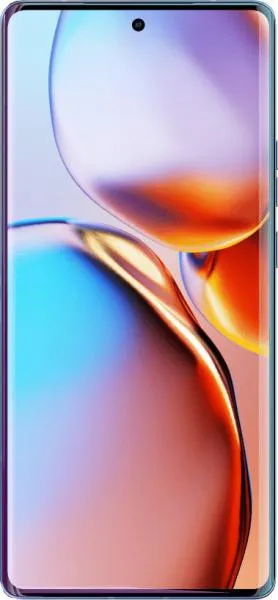
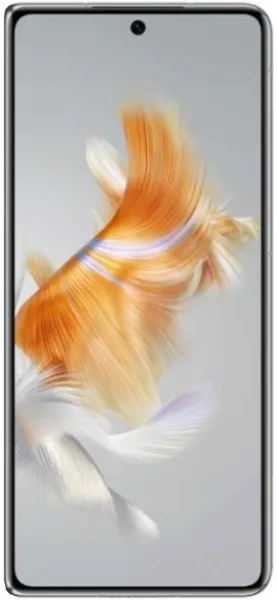
1. Specifications Comparison
| Feature | Motorola Edge 40 Pro | Huawei Mate X3 | Practical Impact |
|---|---|---|---|
| Design | |||
| Dimensions (mm) | 161.2 x 74 x 8.6 | 156.9 x 141.5 x 5.3 | Mate X3 significantly thinner due to foldable design, but wider when unfolded. Edge 40 Pro more pocketable in traditional sense. |
| Weight (g) | 199 | 239 | Mate X3 heavier due to folding mechanism and larger display. |
| Foldable | No | Yes | Mate X3 offers larger screen real estate and unique form factor. Edge 40 Pro offers a more traditional smartphone experience. |
| Display | |||
| Display Size (inches) | 6.67 | 7.85 (unfolded) | Mate X3 provides a substantially larger viewing area when unfolded, beneficial for multitasking and media consumption. |
| Resolution (px) | 1080 x 2400 | 2224 x 2496 | Mate X3 boasts sharper visuals due to higher resolution, especially noticeable when unfolded. |
| Refresh Rate (Hz) | 165 | 120 | Edge 40 Pro offers smoother scrolling and animations thanks to the higher refresh rate, impacting gaming and everyday use. |
| Display Type | OLED, 1B colors, HDR10+, Dolby Vision | Foldable OLED, 1B colors | Both offer vibrant colors and deep blacks. Edge 40 Pro supports HDR10+ and Dolby Vision for enhanced video playback. Missing HDR information for Mate X3 limits comprehensive comparison. |
| Performance | |||
| Chipset | Snapdragon 8 Gen 2 | Snapdragon 8+ Gen 1 4G | Edge 40 Pro features a newer, more powerful and efficient chipset, resulting in better performance and battery life. |
| CPU | Octa-core (up to 3.2 GHz) | Octa-core (up to 3.19 GHz) | Edge 40 Pro's slightly faster CPU clock speed translates to marginally improved performance in demanding tasks. |
| GPU | Adreno 740 | Adreno 730 | Edge 40 Pro's superior GPU provides better gaming and graphics performance. |
| RAM (GB) | 12 | 8/12 (variant dependent) | 12GB RAM variant of both phones offers excellent multitasking capabilities. We are comparing the 12GB variant of the Edge with an unspecified RAM variant of the Mate X3, making direct comparison difficult. |
| Camera | |||
| Main Camera (MP) | 50 | 50 | Both utilize high-resolution sensors, but image quality depends on factors beyond megapixel count, such as sensor size and processing. Missing detailed sensor specifications for the Mate X3 prevent deeper analysis. |
| Telephoto Lens | Yes (12MP) | Yes (16MP) | Mate X3 has a higher resolution telephoto lens, potentially offering better zoom capabilities. However, optical zoom specifications are needed for proper comparison. |
| Ultrawide Lens | Yes (50MP) | Yes (12MP with Macro) | Edge 40 Pro features a significantly higher resolution ultrawide lens. Mate X3 combines ultrawide with macro functionality. |
| DxOMark Score | 130 | Not Available | Edge 40 Pro's high DxOMark score indicates excellent overall camera performance. Lack of score for Mate X3 prevents objective comparison. |
| Battery | |||
| Capacity (mAh) | 4600 | 4800 | Mate X3 has a slightly larger battery capacity, but real-world battery life depends on numerous factors including software optimization and display usage. |
2. Key Differences Analysis
Motorola Edge 40 Pro Advantages:
- Superior Performance: Newer and more powerful chipset, resulting in faster speeds and smoother multitasking.
- Higher Refresh Rate Display: Smoother visuals for gaming and everyday use.
- HDR10+ and Dolby Vision Support: Enhanced video playback experience.
- Lighter and More Pocketable: Easier to carry and use one-handed.
- Confirmed DxOMark Score: Provides objective evidence of strong camera performance.
Huawei Mate X3 Advantages:
- Foldable Design: Offers a larger display for multitasking and media consumption, along with a unique form factor.
- Slightly Larger Battery: Potentially longer battery life, although real-world usage will vary.
- Higher Resolution Display: Sharper images and text.
3. User Profiles & Recommendations
Motorola Edge 40 Pro: Ideal for users who prioritize performance, a smooth display, and pocketability. Excellent for gaming, media consumption, and everyday tasks.
Huawei Mate X3: Best suited for users who value a large, foldable screen for productivity and media consumption on the go. Its unique form factor may appeal to those seeking a distinctive device.
4. Decision Framework
Key Questions for Buyers:
- Form Factor Preference: Do you prioritize a traditional smartphone experience or a larger, foldable screen?
- Performance Needs: How important are processing power and a high refresh rate display for your usage?
- Ecosystem and Software: Which operating system and app ecosystem do you prefer? (Crucial consideration given lack of OS information for Mate X3).
My Choice: Motorola Edge 40 Pro
While the Huawei Mate X3 offers a compelling foldable design and larger display, the Motorola Edge 40 Pro presents a more well-rounded package for my needs. The superior performance of the Snapdragon 8 Gen 2, combined with the smoother 165Hz display, are significant advantages for my daily use, which includes gaming and media consumption. The confirmed excellent camera performance (backed by DxOMark) and lighter, more pocketable design further solidify my choice. The lack of clear OS information for the Mate X3 is also a concern. Ultimately, the Edge 40 Pro provides a more compelling combination of performance, features, and usability. The Mate X3's advantages, while significant for specific users, do not outweigh the overall strengths of the Edge 40 Pro for my personal preferences and usage patterns.
