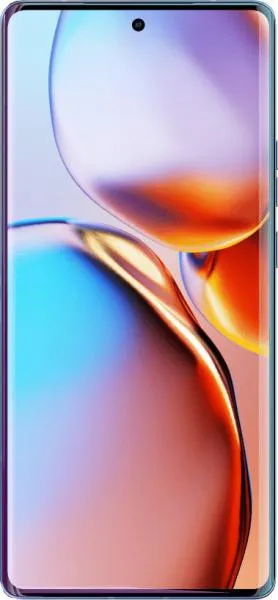
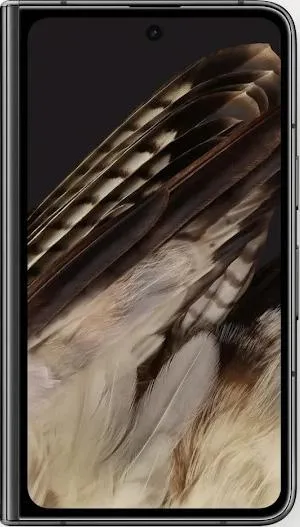
1. Specifications Comparison
| Feature | Motorola Edge 40 Pro | Google Pixel Fold | Practical Impact |
|---|---|---|---|
| Design | |||
| Dimensions (mm) | 161.2 x 74 x 8.6 | 139.7 x 158.7 x 5.8 (folded) 139.7 x 79.5 x 12.1 (unfolded) | Pixel Fold significantly wider when unfolded, thicker when folded, and heavier due to its foldable design. Edge 40 Pro is more pocketable for daily use. |
| Weight (g) | 199 | 283 | Pixel Fold's weight might be noticeable during prolonged use. |
| Foldable | No | Yes | Pixel Fold offers a larger screen in a compact form factor, transforming from a phone to a small tablet. |
| Display | |||
| Display Type | OLED | Foldable OLED | Edge 40 Pro's display is likely more durable for everyday use. Pixel Fold's folding screen introduces a potential point of failure. |
| Size (inches) | 6.67 | 5.8 (outer), 7.6 (inner) | Pixel Fold provides a larger internal display for media consumption and multitasking but a smaller external display for quick interactions. |
| Resolution (px) | 1080 x 2400 | 1080 x 2092 (outer), 1840 x 2208 (inner) | Both offer sharp displays, but Pixel Fold's internal display offers a more immersive experience due to its size and resolution. |
| Refresh Rate (Hz) | 165 | 120 | Edge 40 Pro provides smoother scrolling and animations. While 120Hz is still excellent, the difference might be noticeable for gamers and power users. |
| Performance | |||
| Chipset | Snapdragon 8 Gen 2 | Google Tensor G2 | Snapdragon 8 Gen 2 generally benchmarks higher in raw performance, potentially offering better gaming and heavy multitasking capabilities. Tensor G2 focuses on AI and machine learning, which might result in a smoother, more personalized user experience. |
| CPU | Octa-core (1x3.2 GHz Cortex-X3 & 2x2.8 GHz Cortex-A715 & 2x2.8 GHz Cortex-A710 & 3x2.0 GHz Cortex-A510) | Octa-core (2x2.85 GHz Cortex-X1 & 2x2.35 GHz Cortex-A78 & 4x1.80 GHz Cortex-A55) | Edge 40 Pro likely has a performance advantage due to its newer CPU architecture. |
| GPU | Adreno 740 | Mali-G710 MP7 | Adreno 740 generally delivers better gaming performance than the Mali-G710 MP7. |
| RAM | 12GB | 12GB | Both phones offer ample RAM for smooth multitasking. |
| Camera | |||
| Main Camera (MP) | 50 | 48 | While megapixel count isn't everything, the Edge 40 Pro has a slightly higher resolution main sensor. Both are likely to produce excellent images in various conditions. |
| DXOMARK Score | 130 | 133 | Pixel Fold scores slightly higher overall in DXOMARK, suggesting potentially better image quality. |
| Video Capabilities | 8K@30fps, 4K@60fps | 4K@60fps | Edge 40 Pro offers 8K video recording, although its practical use is limited by storage space and playback compatibility. |
| Battery | |||
| Capacity (mAh) | 4600 | 4821 | Pixel Fold has a slightly larger battery, but its larger display and foldable design might consume more power. Real-world battery life will depend on usage patterns. |
2. Key Differences Analysis
Motorola Edge 40 Pro Advantages:
- Higher refresh rate display: Smoother animations and scrolling.
- Potentially better gaming performance: Thanks to the Snapdragon 8 Gen 2.
- More pocketable: Slimmer and lighter design.
- More durable display: Traditional non-folding display.
- 8K video recording: For users who need the highest resolution.
Google Pixel Fold Advantages:
- Foldable design: Larger internal display for multitasking and media consumption.
- Slightly higher DXOMARK score: Potentially better overall camera quality.
- Slightly larger battery: Potential for longer battery life, although real-world usage will vary.
3. User Profiles & Recommendations
Motorola Edge 40 Pro: Ideal for users who prioritize performance, a smooth display, and pocketability. Gamers, power users, and those seeking a traditional smartphone experience would appreciate this phone.
Google Pixel Fold: Ideal for users who value a large screen for multitasking and media consumption in a portable form factor. Those who embrace new technology and are willing to pay a premium for the foldable form factor would find this phone appealing.
4. Decision Framework
Key Questions for Buyers:
- Is a foldable screen a priority? This is the most significant differentiator.
- What is your budget? The Pixel Fold is significantly more expensive.
- What are your primary use cases? (Gaming, media consumption, productivity, etc.)
Scenario-Based Recommendations:
- Gamer on a budget: Motorola Edge 40 Pro
- Productivity focused user who needs a large screen: Google Pixel Fold
- User who wants the latest technology and best camera: Google Pixel Fold
- User who prioritizes pocketability and a smooth display: Motorola Edge 40 Pro
My Choice: Motorola Edge 40 Pro
While the Pixel Fold's foldable technology is intriguing, the Motorola Edge 40 Pro better suits my needs and preferences. I value a smooth and responsive display, excellent performance for gaming and everyday tasks, and a comfortable, pocketable design. The price difference is also significant, and the Edge 40 Pro offers excellent value for its price. I am not yet convinced about the long-term durability of foldable displays, and the Edge 40 Pro's traditional OLED seems like a safer bet. The slightly lower DXOMARK score is not a major concern for me, as both cameras are likely to produce excellent photos. Ultimately, the Edge 40 Pro's combination of performance, pocketability, and price makes it the more compelling choice for me.
